
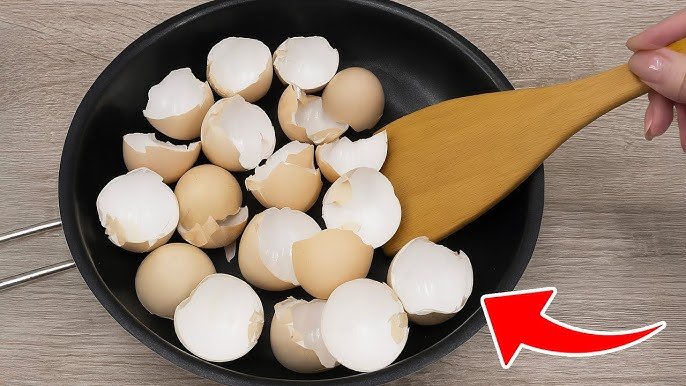
Have you ever wondered what to do with leftover eggshells instead of tossing them in the trash? Grinding eggshells might sound unusual, but it’s a simple trick that can transform your kitchen waste into something useful.
Whether you want to enrich your garden soil, boost your compost, or even add calcium to your meals, knowing how to grind eggshells properly is the key. Stick with me, and you’ll learn easy steps to turn those shells into a valuable resource that benefits your home and health.
Ready to discover this smart, eco-friendly hack? Let’s get started!
Collecting Eggshells
Choose eggshells that are clean and free from cracks. Avoid shells with any visible dirt or food residues. Fresh eggshells are easier to grind and give better results.
Rinse the shells well under running water to remove any leftover egg white or yolk. Let them dry completely to prevent mold. Drying can be done by leaving them in the sun or using an oven at low heat for a few minutes.
Completely dry eggshells grind more easily and last longer when stored.
Credit: practicalselfreliance.com
Preparing Eggshells For Grinding
Break eggshells into smaller pieces for easier grinding. Use your hands or a rolling pin to crack them. The smaller the pieces, the smoother the grind.
Make sure the eggshells are completely dry before grinding. Spread them on a paper towel or baking sheet. Let them air dry for a few hours or bake at low heat for 10 minutes. Dry shells grind better and last longer.
Grinding Methods
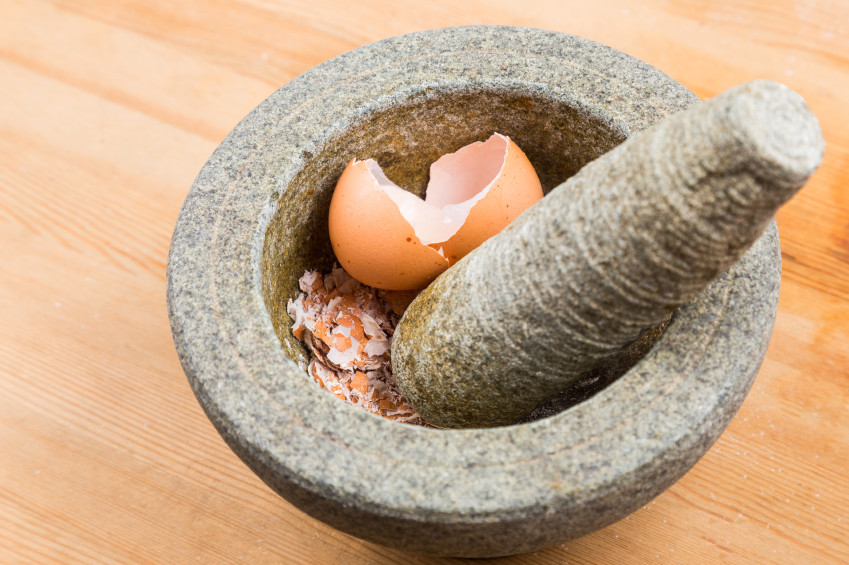
Crush dry eggshells in a mortar and pestleusing gentle pressure. This tool lets you control the grind size, making it fine or coarse. It takes time but works well for small amounts.
A blender or food processorcan grind eggshells quickly. Break shells into small pieces first. Pulse the machine in short bursts to avoid overheating. This method is good for larger quantities.
The coffee grinder techniqueoffers a fast way to get fine eggshell powder. Clean the grinder well before use. Grind small batches to protect the motor. The result is a very fine powder, perfect for gardening or cooking.
Credit: www.naturallivingideas.com
Achieving The Right Texture
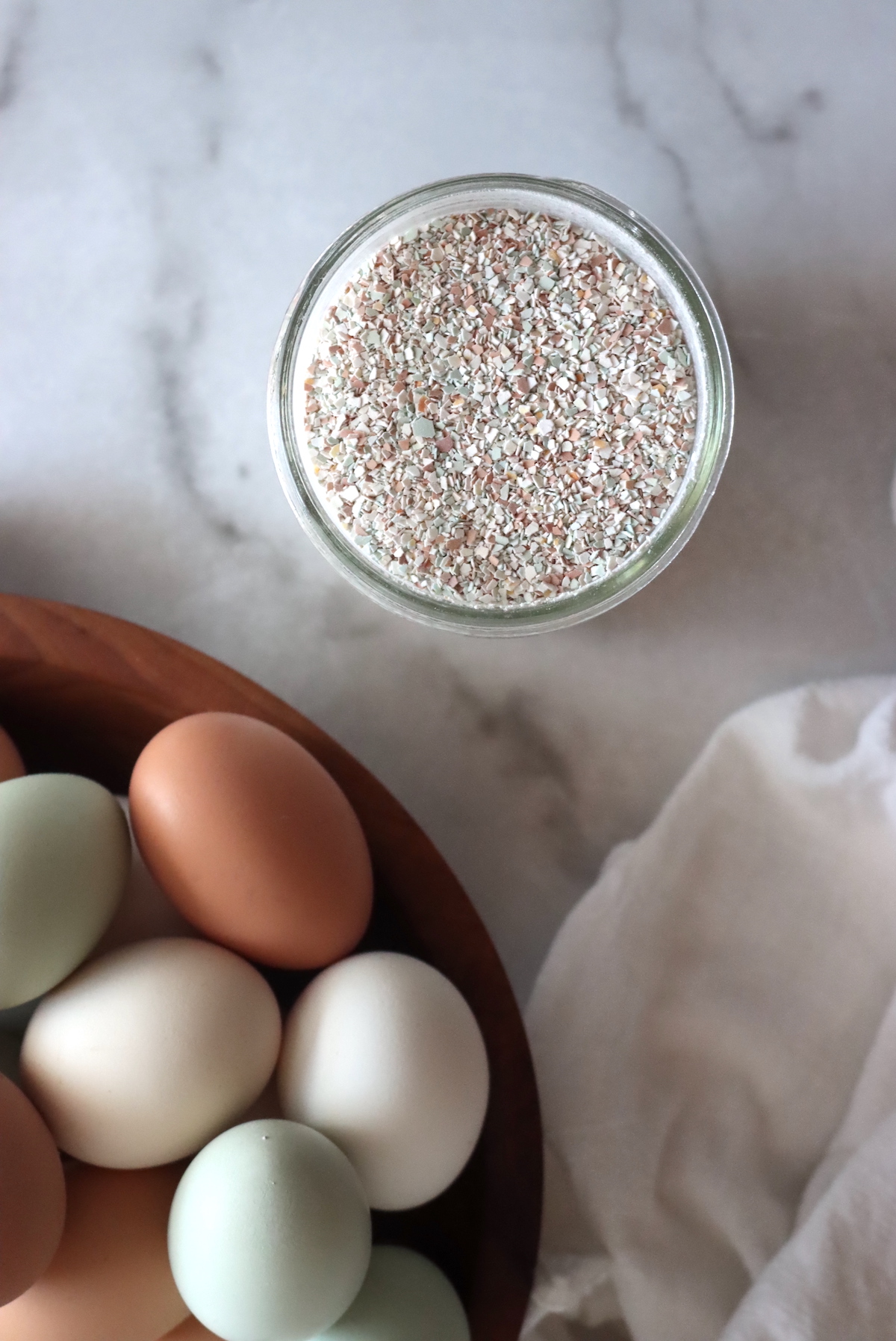
Eggshells can be ground into different textures depending on their use. A coarse grindhas larger pieces and works well for compost or garden soil. A fine powderis best for adding calcium to plants or recipes.
Grinding eggshells finely requires patience. Use a mortar and pestle or a blender for better results.
Sifting helps remove larger bits. Use a fine mesh sieveto get a smooth powder. Larger pieces left behind can be reground or discarded.
| Texture | Uses | Grinding Tools |
|---|---|---|
| Coarse | Compost, garden soil | Rolling pin, blender |
| Fine Powder | Calcium supplement, recipes | Mortar and pestle, blender |
Storing Ground Eggshells
Choose airtight containersto keep ground eggshells dry and fresh. Glass jars with sealed lids work best. Plastic containers are an option but ensure they close tightly. Avoid containers that let air or moisture in. Store the container in a cool, dark place away from sunlight.
Proper storage helps maintain the nutritional valueof eggshell powder. Moisture can cause clumps and reduce quality. Label the container with the date to track freshness.
| Storage Tip | Details |
|---|---|
| Container Type | Airtight glass jars or sealed plastic containers |
| Storage Location | Cool, dark, and dry place |
| Shelf Life | Up to 6 months if stored properly |
| Labeling | Mark the grinding date for freshness |
Common Uses For Ground Eggshells
Ground eggshellsoffer many useful benefits in gardening. They add calciumto soil, which helps plants grow strong. Crushed shells improve soil drainageand airflow. They can also keep pests like slugs away from plants.
As a nutritional supplement, ground eggshells provide a natural source of calcium for humans and pets. They can be added to food after being cleaned and ground into a fine powder. This helps support bone healthand strong teeth.
Household uses include cleaningand deodorizing. The abrasive texture works well for scrubbing pots and pans. Ground eggshells can also absorb odors in the fridge or trash cans.
Safety Precautions
Eggshells must be clean and dry before grinding. Dirt or food bits can cause contamination. Rinse shells well and let them air dry. Avoid using shells that have cracks or mold.
Use separate tools for eggshells to keep them safe. Clean grinders or mortars thoroughly before use. Wearing gloves helps prevent germs from spreading. Keep your workspace tidy and wash hands after handling eggshells.

Credit: creators.yahoo.com
Frequently Asked Questions
How Do You Prepare Eggshells For Grinding?
First, rinse eggshells thoroughly to remove residue. Then, dry them completely by air drying or baking at low heat. This prevents mold and ensures easier grinding into a fine powder.
What Tools Are Best For Grinding Eggshells?
Use a coffee grinder, blender, or mortar and pestle for grinding eggshells. These tools break shells into a fine, usable powder efficiently and safely.
Why Grind Eggshells Into Powder?
Grinding eggshells into powder releases calcium, making it easier for plants, pets, or humans to absorb. It also reduces waste and promotes recycling.
Can Eggshell Powder Improve Garden Soil?
Yes, eggshell powder adds calcium and minerals to soil. It improves soil structure, promotes plant growth, and deters pests like slugs naturally.
Conclusion
Grinding eggshells is simple and useful for many tasks. You can use ground eggshells in your garden to help plants grow. They also add calcium to soil and compost. Remember to clean and dry the shells well before grinding. Use a blender, food processor, or mortar and pestle for best results.
Small pieces work better than large chunks. Try different methods to see what suits you. Grinding eggshells saves waste and benefits your home and garden. Give it a try and enjoy the benefits!