
If you’ve ever struggled with uneven herb pieces or wasted precious material, learning how to use a herb grinder can change everything. A good grind can make your herbs burn smoother, taste better, and give you a much more enjoyable experience.
Whether you’re new to using a grinder or want to get the most out of yours, this guide will walk you through simple steps to master the process. By the end, you’ll see how a small tool can make a big difference in your routine.
Ready to take your herb game to the next level? Let’s dive in.
Credit: munchmakers.com
Choosing The Right Grinder
Herb grinders come in different types. The most common are manualand electric. Manual grinders require turning by hand. Electric grinders work quickly with a button press. Both types crush herbs into small pieces for easy use.
| Material | Durability |
|---|---|
| Aluminum | Strong, long-lasting, resists rust |
| Plastic | Lightweight but less durable |
| Wood | Natural look, may wear faster |
| Steel | Very strong, heavy |
Size matters for portability. Small grinders fit in pockets or bags. Larger grinders hold more herbs but are less easy to carry. Choose a size that fits your needs for use and travel.

Credit: kingpalm.com
Preparing Your Herbs
Drying herbs well is key for a good grind. Herbs should be dry but not brittle. Too wet, and the grinder will clog. Too dry, and herbs will turn to powder.
Remove any stems and seedsbefore grinding. Stems can be tough and ruin the texture. Seeds may not grind well and can add bitter taste.
- Spread herbs on a clean cloth or paper towel.
- Let them air dry in a warm, dry place.
- Check herbs daily to avoid overdrying.
- Pick off stems and seeds carefully.
Loading The Grinder
Fill the grinder with a small amount of herb. Too much can make grinding hard. The herb should be loose, not packed tight. This helps the grinder work smoothly.
Keep the herbs below the top teeth. Overfilling can block the teeth and stop grinding. It may also cause the lid to not close properly.
- Use enough herb to cover the teeth.
- Leave some space for easy turning.
- Check the herb is dry for better grinding.
Grinding Techniques
Hold the grinder firmly with one hand. Use the other hand to twist the top part. Twist in a steady, circular motion. Avoid pushing too hard to keep the herbs from getting stuck. Small, gentle twists work best to break the herbs evenly.
Grinding should last around 15 to 30 seconds. Stop when the herbs feel soft and crumbly. Longer grinding can make herbs too fine, which may affect their use. Short grinding leaves bigger pieces, good for some uses. Find the right time by checking the texture often.
Collecting Ground Herbs
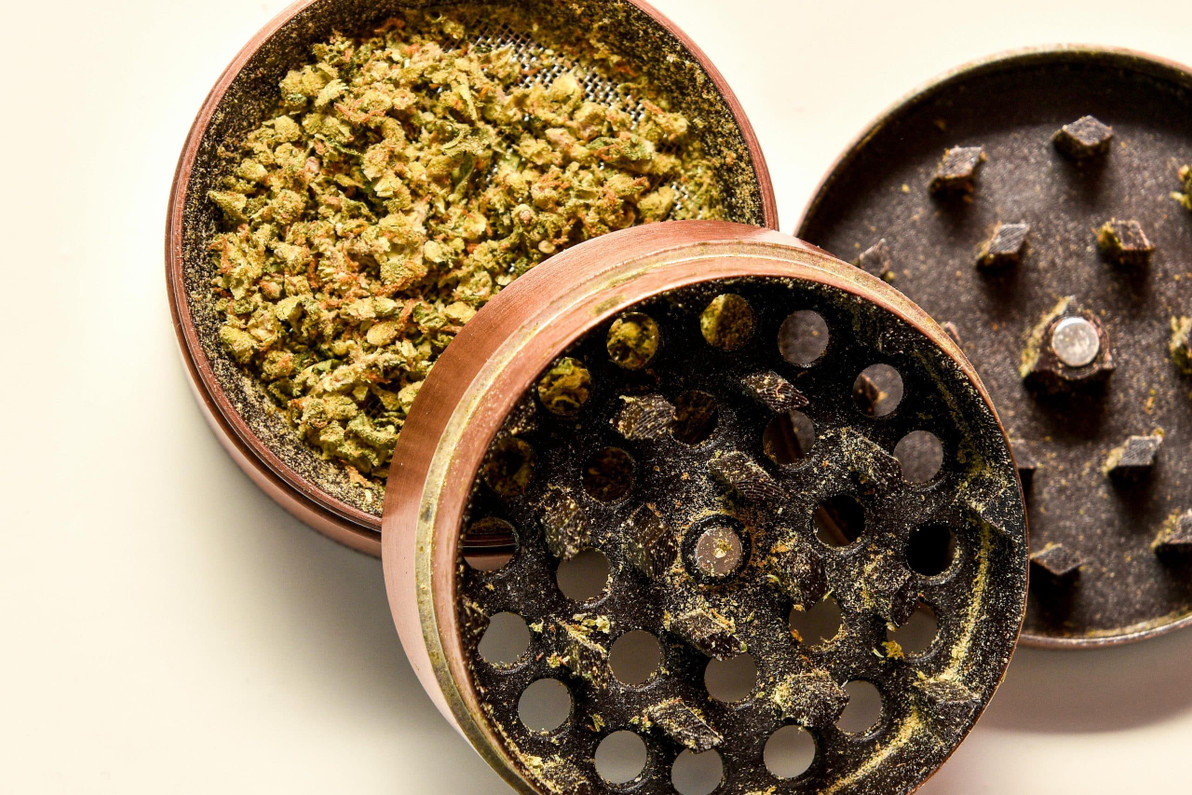
To collect ground herbs, first twist open the grindergently. The top part will come off, revealing the ground herbs inside. Be careful not to spill any herbs.
Use your fingers or a small tool to scoop out the herb from the chamber. Some grinders have a separate section at the bottom to collect fine powder. Tap the grinder lightly to help herbs fall into this section.
Removing residue is important for keeping the grinder clean and working well. Use a small brush or toothpick to scrape off stuck bits inside the grinder. Avoid using water unless the grinder is metal and dry it fully after cleaning.
Regular cleaning prevents buildup and keeps herbs fresh and pure.
Cleaning And Maintenance
Keep your herb grinder clean to ensure smooth grinding. After each use, tap out leftover bits. Use a small brush to clear the teeth and screen gently. This prevents build-up and keeps the grinder working well.
For a deeper clean, disassemble the grinder carefully. Soak all parts in warm, soapy water for 20-30 minutes. Scrub with a soft brush to remove stuck bits. Rinse thoroughly with clean water and dry completely before reassembling.
| Cleaning Type | Tools Needed | Steps |
|---|---|---|
| Regular Cleaning | Small brush, cloth | Tap out crumbs, brush teeth and screen |
| Deep Cleaning | Warm soapy water, soft brush, towel | Disassemble, soak, scrub, rinse, dry |
Common Mistakes To Avoid
Overloading the grinder can cause jamming and uneven grinding. It blocks the teeth from moving properly. Fill the grinder only halfway for best results. Too much herb makes it hard to twist and may damage the device.
Using wet herbs leads to clumping and sticky residue. This makes grinding difficult and messy. Always dry the herbs before placing them in the grinder. Dry herbs break apart easier and give a fine, even grind.

Credit: www.youtube.com
Frequently Asked Questions
What Is The Purpose Of A Herb Grinder?
A herb grinder breaks down herbs into smaller, consistent pieces. It improves airflow and burning efficiency. This makes your herbs easier to use and enhances flavor and potency.
How Do You Properly Use A Herb Grinder?
Place dry herbs in the grinder’s teeth. Twist the lid firmly back and forth. Collect the ground herbs from the bottom chamber for use.
Can I Use A Herb Grinder For Other Herbs?
Yes, herb grinders work for many dry herbs and spices. Avoid wet or sticky herbs, as they clog the grinder and reduce efficiency.
How Often Should I Clean My Herb Grinder?
Clean your grinder after every few uses to prevent residue buildup. Use a small brush or isopropyl alcohol for thorough cleaning.
Conclusion
Using a herb grinder makes your experience smoother and more enjoyable. It helps break herbs into small, even pieces quickly. This makes burning or cooking easier and more effective. Cleaning your grinder often keeps it working well for a long time.
Practice a few times to find what works best for you. With simple steps, you can get consistent, fine herb every time. Keep your tools ready, and enjoy the process. Small changes make a big difference in how your herbs feel and taste.
Give it a try today!