
Do you wake up with a sore jaw or headaches that just won’t go away? You might be grinding your teeth without even realizing it.
Teeth grinding, also known as bruxism, can cause serious damage if left unchecked. But how can you tell if you’re one of the many people doing it at night or even during the day? You’ll discover the clear signs your body is giving you and simple ways to confirm if you’re grinding your teeth.
Keep reading to protect your smile and avoid long-term pain.
Common Symptoms
Jaw painor soreness is a common sign of teeth grinding. The muscles around your jaw may feel tight or tired. This discomfort often happens in the morning. It can make chewing or opening your mouth hard.
Tooth sensitivitymay increase over time. Enamel can wear down from grinding. This exposes the softer parts of teeth. Cold or hot drinks might cause sharp pain. Teeth may also look shorter or flatter.
Frequent headachesnear the temples can signal grinding. Earaches may happen too, even without infection. The pain comes from pressure on jaw joints. It can feel dull or sharp and may worsen during the day.
Credit: www.thenassauguardian.com
Visible Dental Signs
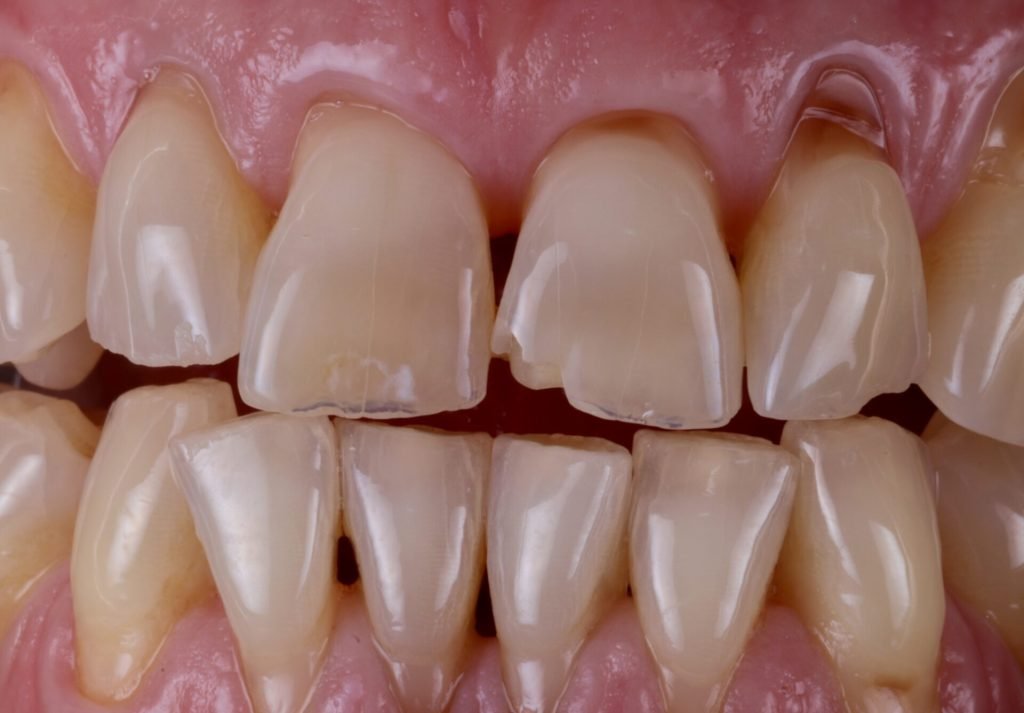
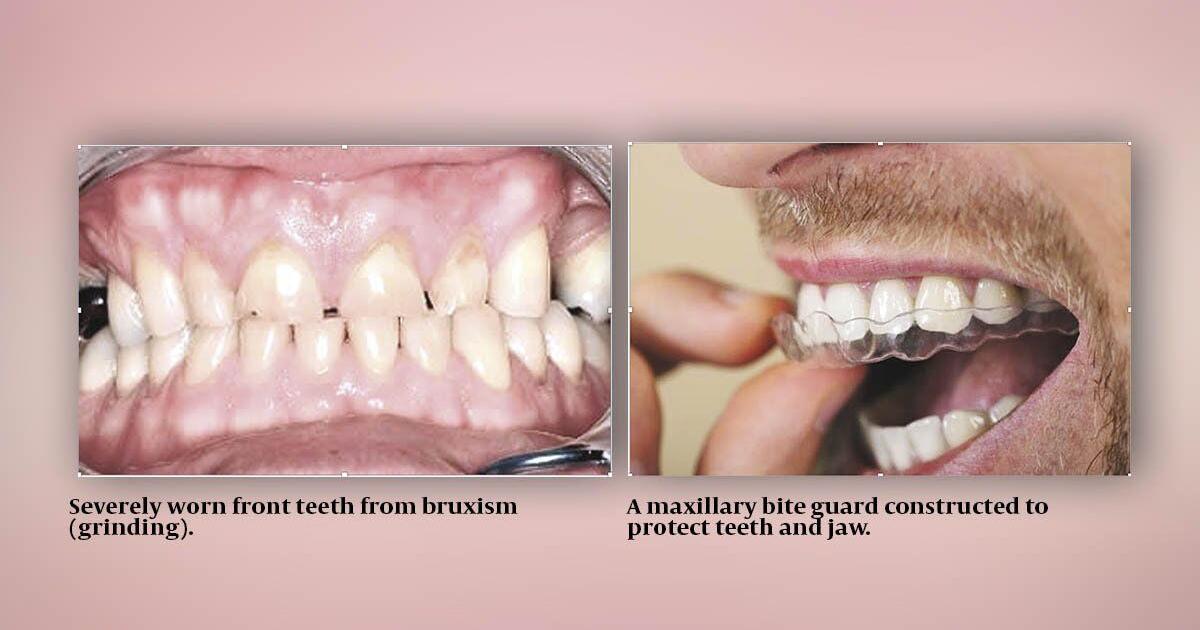
Teeth that look worn down or flatoften show signs of grinding. This happens because of constant pressure on the teeth surfaces. Over time, the edges become smooth and uneven, not sharp like normal teeth.
Chipped or cracked teethcan also be a clear sign. Grinding puts extra force on teeth, causing small breaks or cracks. These can cause pain or sensitivity.
Indentations on the tonguemay appear from pushing the tongue against teeth during grinding. These small dents or marks are a clue that grinding might be happening, especially at night.
Nighttime Indicators
Partner’s observationscan reveal teeth grinding sounds. They might hear loud clenchingor grinding noisesduring sleep. Sometimes, partners notice restless movementsor frequent waking up.
Sleep disruptionshappen due to jaw tension. Grinding can cause poor sleep qualityand frequent waking up. Feeling tired after a full night may be a sign.
Morning jaw stiffnessis a common sign. The jaw may feel tight, sore, or tiredupon waking. Difficulty opening the mouth wide or pain near ears also points to grinding.

Credit: jsdentallab.com
Behavioral Triggers
Stress and anxietyoften cause teeth grinding during sleep or day. Tension builds up in the jaw muscles. This can lead to soreness or headaches in the morning. People who feel worried or nervous tend to clench their teeth without knowing.
Caffeine and alcohol intakecan increase the chance of grinding teeth. Coffee, tea, and energy drinks make the body more alert. This can lead to jaw muscle tightening. Drinking alcohol before bed may cause restless sleep and more teeth grinding at night.
- Poor sleep habitslike irregular sleep times increase grinding risk.
- Not enough sleep makes muscles tense and tired.
- Sleep disorders like snoring or sleep apnea can trigger teeth grinding.
Self-assessment Techniques
Check your jawfor tightness or soreness, especially after waking up. This may signal grinding during sleep. Gently press around your jaw muscles to feel for tension or discomfort.
Keep a daily logof symptoms like headaches, tooth pain, or earache. Tracking over time helps spot patterns linked to teeth grinding. Note the times when pain feels worse.
- Try wearing a mouthguardat night to protect teeth.
- Notice if jaw soreness decreaseswith use.
- Use it as a tool to confirm if grinding happens.

Credit: www.smiledentalturkey.com
Frequently Asked Questions
What Are Common Signs Of Teeth Grinding?
Common signs include jaw pain, headaches, worn tooth enamel, and increased tooth sensitivity. You might also notice clicking sounds at night or tight jaw muscles upon waking.
How Can I Tell If I Grind Teeth At Night?
Notice morning jaw soreness, tooth sensitivity, or damaged teeth. A partner might hear grinding sounds while you sleep. A dentist can confirm with an examination.
Can Stress Cause Teeth Grinding?
Yes, stress is a major cause of teeth grinding. It increases muscle tension, leading to unconscious clenching and grinding during sleep or daily activities.
Is Teeth Grinding Harmful To Dental Health?
Yes, teeth grinding can wear down enamel, cause tooth fractures, and lead to gum recession. It may also cause jaw disorders and chronic pain if untreated.
Conclusion
Teeth grinding can cause pain and damage over time. Notice any jaw soreness or worn teeth? These signs matter. Acting early can protect your smile and ease discomfort. Try to relax your jaw before sleep. Talk to a dentist for advice and solutions.
Small changes help prevent bigger problems later. Stay aware of your habits each day. Your health and comfort deserve attention.