
Do you wake up with a sore jaw or a headache and wonder why? You might be grinding your teeth in your sleep without even realizing it.
Teeth grinding can damage your teeth, cause pain, and disrupt your rest. The good news is, you don’t have to live with it. You’ll discover simple, effective ways to stop teeth grinding and protect your smile. Keep reading to find out how you can wake up feeling refreshed and pain-free every day.
Causes Of Teeth Grinding
Stress and anxietyoften cause teeth grinding during sleep. The mind stays active and tense. This tension makes jaw muscles tighten and grind.
Sleep disorderslike sleep apnea can also lead to grinding. Breathing problems disturb sleep, causing sudden jaw movements. These movements cause the teeth to grind.
Misaligned teethcreate uneven contact between teeth. This can trigger grinding as the mouth tries to find comfort. Crooked or missing teeth increase the risk.
Lifestyle factorsplay a big role too. Drinking too much caffeine or alcohol can increase grinding. Smoking and drug use make it worse. Poor sleep habits also add to the problem.

Credit: www.amazon.com
Signs And Symptoms
Morning jaw painis common in those who grind teeth during sleep. The muscles feel tight and sore. It may be hard to open the mouth fully. This discomfort can last for hours after waking up.
Tooth damagehappens slowly but surely. Teeth may become flat, chipped, or cracked. Enamel wears down, making teeth sensitive to hot and cold. This damage can lead to cavities and other dental problems.
Headachesoften start early in the day. The pain usually feels like pressure around the temples. It may spread to the forehead or neck. These headaches come from tension in jaw muscles.
Sleep disruptionsaffect both the grinder and their partner. Grinding sounds can be loud and sudden. This noise may cause brief awakenings or restless sleep. Poor sleep leads to tiredness during the day.
Lifestyle Changes To Reduce Grinding
Stress can cause teeth grinding. Try deep breathing or meditation to calm your mind. Exercise helps reduce stress too.
Cut down on caffeine and alcohol. These drinks can make grinding worse. Drink water or herbal tea instead.
Go to bed and wake up at the same time every day. A regular sleep routinehelps your body relax. Avoid screens before sleep.
Chewing on pens or nails can make grinding stronger. Avoid chewing non-food itemsto protect your teeth.

Credit: kigodental.com
Dental Solutions
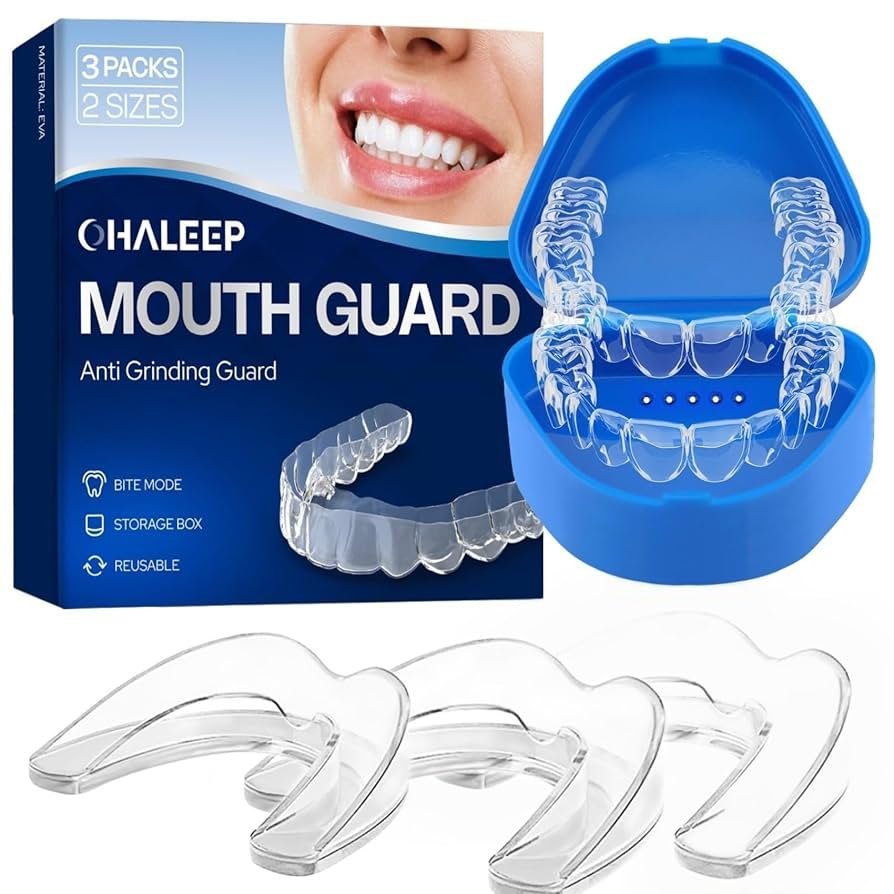
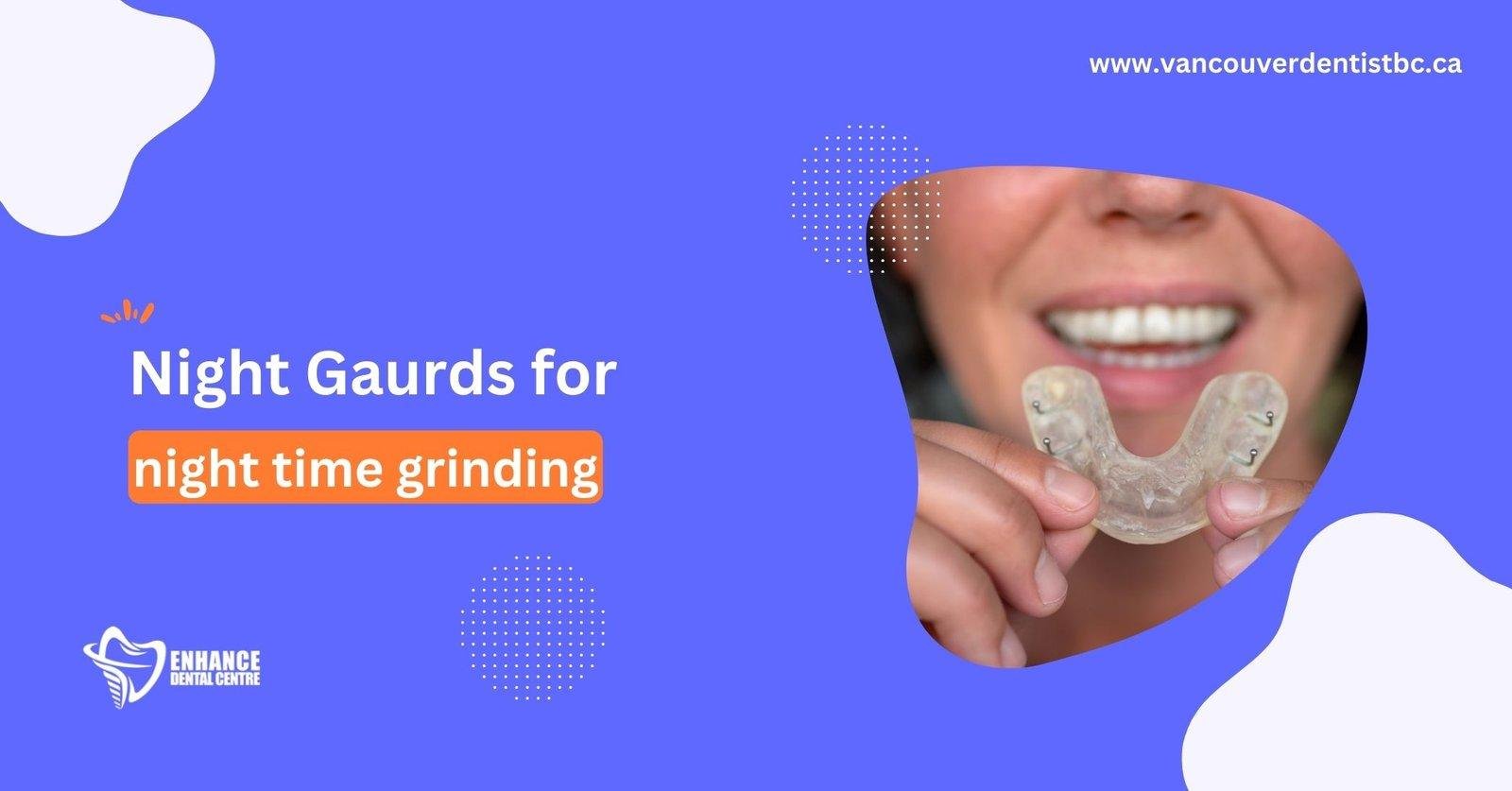
Custom mouthguardsfit your teeth perfectly to stop grinding. They act as a cushion between upper and lower teeth. Wearing them at night reduces jaw painand tooth damage. Dentists design these guards based on your mouth shape. They are more comfortable than store-bought ones. This helps you wear them regularly. Over time, mouthguards prevent wear and tearon teeth caused by grinding.
Corrective dental treatmentsfix problems that cause teeth grinding. Crooked or missing teeth may lead to grinding during sleep. Treatments like braces or crowns can help align teeth properly. This reduces the urge to grind. Sometimes, adjusting the bite balance eases pressure on jaws. Dentists check for signs of damage or pain. They suggest the best treatment to stop grinding and protect your smile.
When To See A Professional
Persistent jaw pain or worn teeth signal a visit to a professional. Frequent headaches or disrupted sleep also warrant expert advice to prevent damage. Early help stops teeth grinding from worsening during sleep.
Persistent Symptoms
Grinding your teethat night can cause lasting problems. If you notice jaw pain, headaches, or sore teeththat don’t go away, it is time to get help. These signs mean the grinding might be serious.
Severe Tooth Damage
Look for cracks, chips, or worn-down teeth. These are clear signs of heavy grinding. A dentist can check if your teeth need repair or protection with a mouth guard.
Sleep Study Recommendations
Sometimes, a sleep studyis needed. It helps find if grinding is linked to other problems like sleep apnea. Doctors can suggest the best treatment after this test.
Credit: vancouverdentistbc.ca
Frequently Asked Questions
What Causes Teeth Grinding During Sleep?
Teeth grinding, or bruxism, often results from stress, anxiety, or misaligned teeth. It can also be linked to sleep disorders and lifestyle habits like caffeine or alcohol consumption.
How Can I Stop Grinding My Teeth At Night?
To stop teeth grinding, try stress reduction techniques, use a mouthguard, avoid stimulants before bed, and maintain good sleep hygiene. Consult a dentist for personalized treatment options.
Can Teeth Grinding Damage My Teeth Permanently?
Yes, chronic teeth grinding can cause tooth wear, fractures, and jaw pain. Early intervention helps prevent permanent dental damage and preserves oral health.
Are There Natural Remedies For Teeth Grinding?
Natural remedies include relaxation exercises, warm compresses, and avoiding caffeine. These methods reduce stress and muscle tension, helping minimize teeth grinding during sleep.
Conclusion
Preventing teeth grinding starts with knowing the cause. Reduce stress by relaxing before bed. Avoid caffeine and heavy meals at night. Use a mouth guard to protect your teeth. Keep a regular sleep schedule for better rest. Talk to your dentist about any ongoing issues.
Small steps can protect your smile and health. Sleep peacefully without worry of grinding damage. Take control of your nighttime habits today. Your teeth will thank you tomorrow.