
If you love making coffee with a cafetiere, you know that getting the grind just right can make all the difference. But how fine should you grind your coffee for the perfect brew?
Grind too coarse, and your coffee might taste weak and watery. Grind too fine, and it could end up bitter or clogged. Finding the sweet spot can unlock rich flavors and a smooth finish every time you press that plunger.
You’ll discover exactly how to grind your coffee beans for a cafetiere that tastes just right—so you can enjoy a cup that feels like it was made just for you. Keep reading to become your own barista at home.
Choosing The Right Grind Size
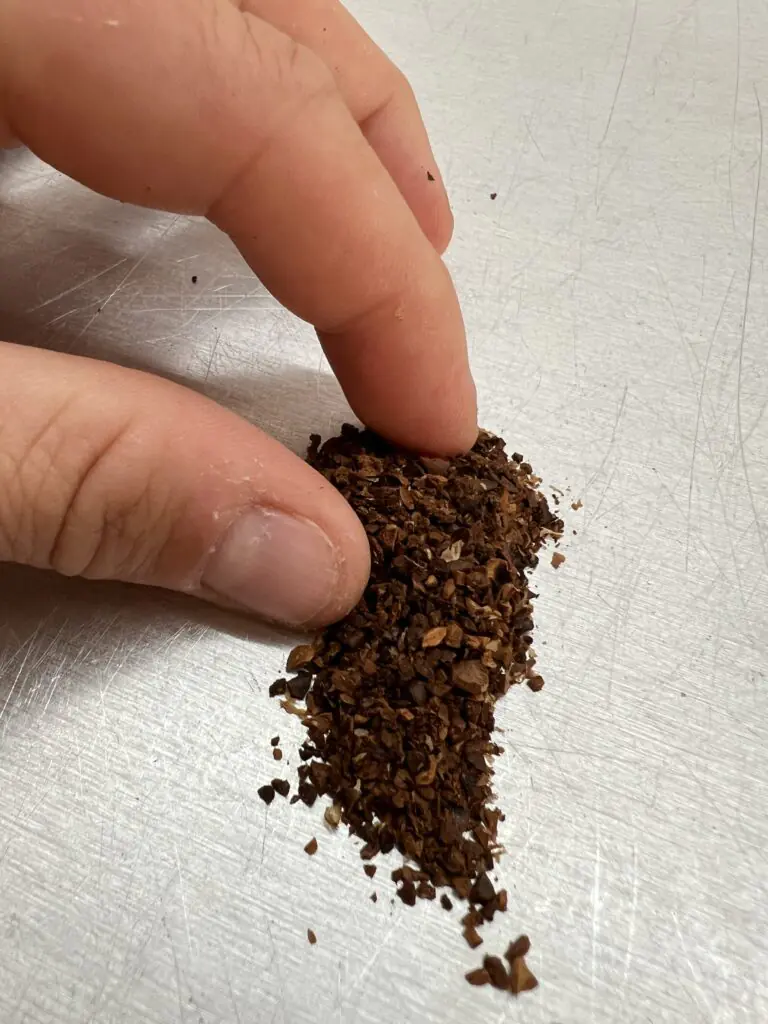
Grind sizecontrols how fast coffee brews in a cafetiere. Too fine a grind makes coffee bitterand hard to press. Too coarse a grind leads to weak, waterycoffee. The right size lets water flow evenly, giving a rich tasteand smooth texture.
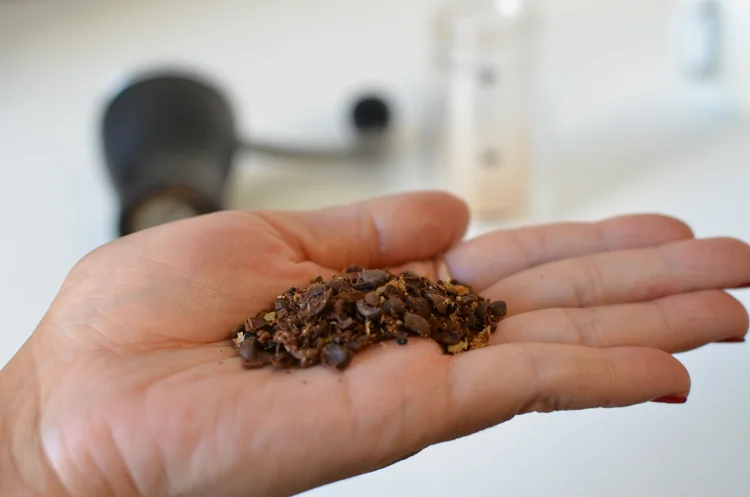
A medium-coarse grindworks best for cafetieres. It looks like rough sand or sea salt. This size allows the coffee to brew for about 4 minuteswithout over-extraction. It also stops grounds from slipping through the mesh filter.
- Avoid using too fine grounds. They clog the filter and make pressing difficult.
- Don’t use very coarse grounds. The coffee will taste weak and under-extracted.
- Grind coffee freshjust before brewing for best flavor.
- Use a burr grinderto get consistent grind size.
Credit: planetarydesign.com
Grinding Techniques
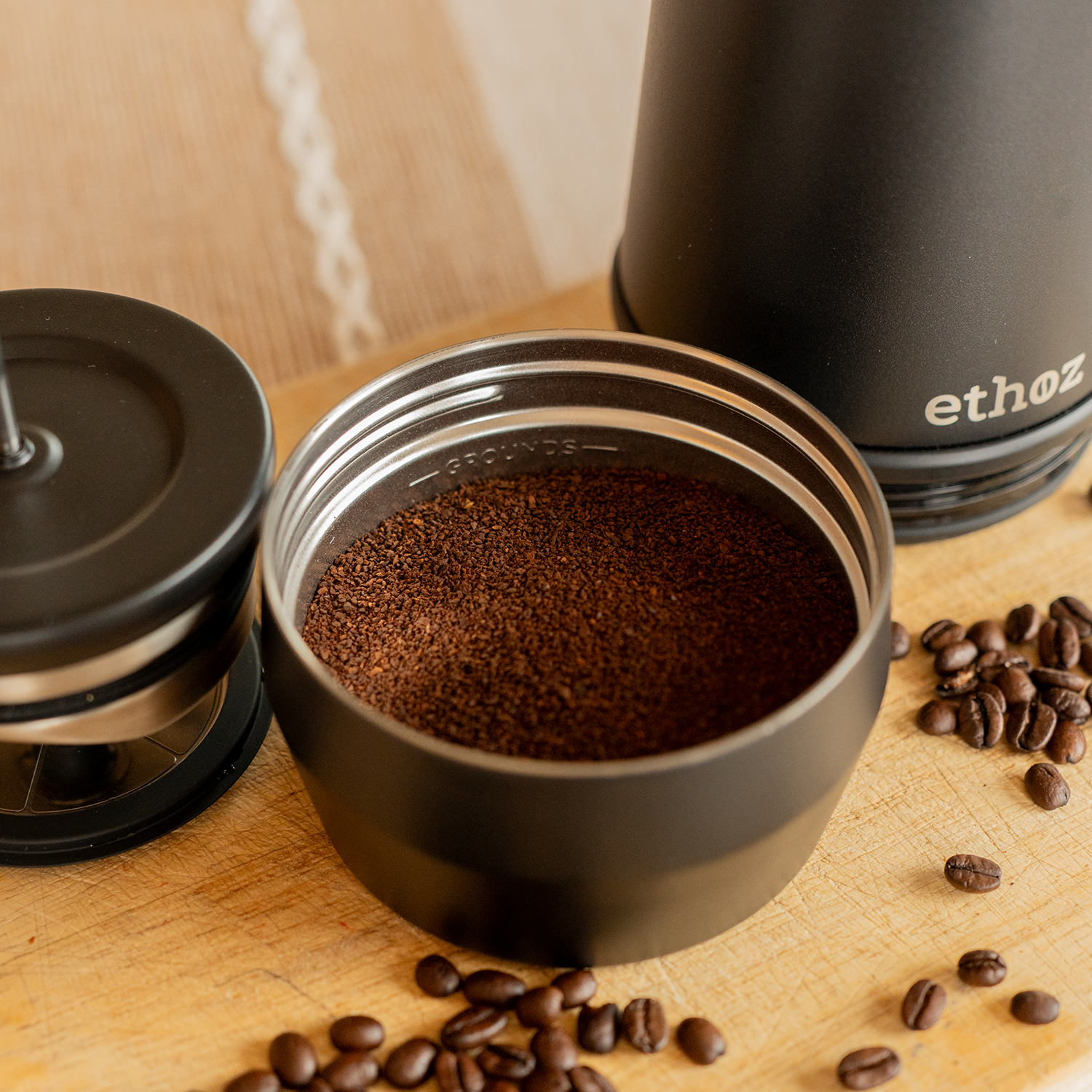
Manual grinders give more control over the grind size. They are quiet and simple but take more effort. Electric grinders work fast and are easy to use. They may not be as precise for fine tuning.
Keeping the grind consistentis key for a smooth cafetiere brew. Use a burr grinder instead of a blade grinder. Burr grinders crush beans evenly, creating uniform particles. Check the grinder regularly to avoid clumps or uneven bits.
Adjust grind size to change taste. A coarser grindmakes lighter coffee, less bitter. A finer grindmakes stronger coffee with more flavor. Try small changes to find your preferred taste. Remember, too fine can cause over-extraction and bitterness.
Impact On Brewing
Grinding coffeeaffects how water extracts flavors from the grounds. Finer grinds expose more surface area. This leads to faster extraction and stronger taste. Coarser grinds slow down extraction, giving a lighter flavor.
Brewing time changes with grind size. A fine grindneeds less time to brew. A coarse grindrequires more time. For cafetiere, medium to coarse grind works best. It balances flavor and brew time.
Over-extractionhappens if coffee tastes bitter or harsh. It occurs with too fine a grind or too long brew. Under-extractionmakes coffee weak or sour. It occurs with too coarse grind or too short brew.
- Fine grind: quicker extraction, risk of bitterness
- Coarse grind: slower extraction, risk of weak taste
- Medium grind: balanced extraction and flavor
Troubleshooting Grind Issues
Fine grinding coffee for a cafetiere can cause slow brewing and bitter taste. Adjust to a coarser grind for smoother flavor and faster extraction. Experiment with grind size to find the best balance for your coffee.
Grind Too Coarse Problems
Coarse coffee groundscause weak, watery brews. Water passes through too fast.
Flavor is under-extracted. Coffee tastes sour or thin. Sediment may be low.
Try grinding finerfor better extraction and richer taste.
Grind Too Fine Problems
Fine coffee groundsblock water flow. Brewing takes too long.
Flavors become bitteror over-extracted. Coffee may taste harsh.
Filter can clog. Coffee may have gritty texture.
Balancing Grind For Perfect Brew
| Issue | Cause | Effect | Solution |
|---|---|---|---|
| Too coarse | Large coffee particles | Weak, sour taste | Grind finer |
| Too fine | Small coffee particles | Bitter, harsh flavor | Grind coarser |
| Balanced grind | Medium size particles | Rich and smooth taste | Adjust grind to medium |
Storing Ground Coffee
Storing ground coffeeproperly keeps its flavor fresh for longer. Air, light, heat, and moisture make coffee lose taste fast. Use an airtight containerto block air and moisture. Keep the container in a cool, dark place, away from sunlight and heat sources like ovens or windows.
Grinding coffee right before use gives the best flavor. Ground coffee starts losing aroma within minutes. If you buy pre-ground coffee, store it well and use it quickly. Grinding too earlymeans the coffee will taste flat and old.
| Ideal Storage Conditions | Why It Matters |
|---|---|
| Airtight Container | Keeps air and moisture out |
| Cool Place | Prevents heat damage |
| Dark Location | Stops light from breaking down flavor |
| Grind Fresh | Preserves the best taste and aroma |

Credit: www.steampunkcoffee.co.uk
Credit: www.thegirlinthecafe.co.uk
Frequently Asked Questions
What Grind Size Is Best For A Cafetiere?
A coarse grind is best for a cafetiere. It allows water to flow evenly, preventing over-extraction. Coarse grounds resemble sea salt in texture, which ensures a balanced and smooth brew.
Why Not Use Fine Grind For Cafetiere?
Fine grind clogs the cafetiere’s filter, causing slow drainage. It leads to over-extraction and bitter coffee. Coarse grind avoids sediment and produces a clean, rich flavor.
How Does Grind Size Affect Cafetiere Coffee Taste?
Grind size controls extraction speed and taste. Coarse grind produces smooth, less bitter coffee. Fine grind extracts too quickly, causing bitterness and sediment in the cup.
Can I Use Medium Grind For Cafetiere Coffee?
Medium grind is not ideal for cafetiere. It extracts too fast, making coffee bitter. Coarse grind ensures proper steeping time and better flavor balance.
Conclusion
Choosing the right grind size makes a big difference in taste. A medium-coarse grind works best for cafetiere brewing. Too fine or too coarse can spoil the flavor. Freshly ground coffee brings out the best aroma and richness. Experiment a little to find what you enjoy most.
Enjoy your perfect cup every morning with simple steps. Grinding coffee well helps you brew easily and enjoy deeply. Give it a try and savor the difference today.