
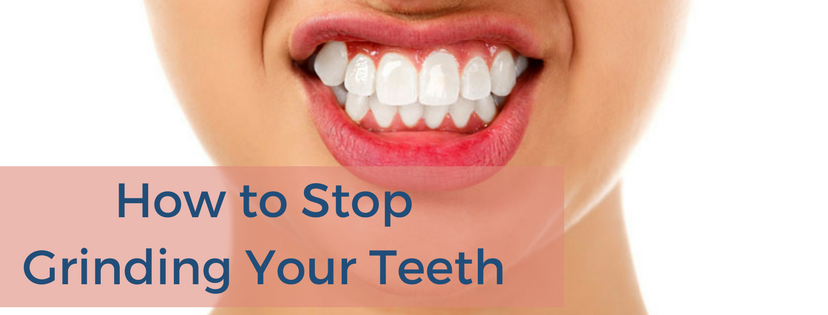
Do you find yourself clenching or grinding your teeth during the day without even realizing it? This habit can cause headaches, jaw pain, and even damage your teeth over time.
But here’s the good news: you don’t have to live with it. You’ll discover simple, effective ways to stop teeth grinding during the day and protect your smile. Keep reading to learn how to take control and feel more comfortable every single day.

Credit: kigodental.com
Causes Of Daytime Teeth Grinding
Stress and anxietyare common reasons for daytime teeth grinding. When people feel tense, their jaw muscles tighten, causing grinding or clenching. Managing stress through relaxation can help reduce this habit.
Poor posturecan strain the neck and jaw muscles. Sitting or standing with a slouched back pushes the jaw forward, increasing pressure on teeth. Correcting posture often eases the tension that leads to grinding.
A misaligned bitemeans teeth do not meet properly. This can cause discomfort and unconscious grinding to find a better fit. Dental checkups can identify this problem and offer solutions.
- Lifestyle factorslike caffeine, smoking, and lack of sleep can worsen teeth grinding.
- These habits increase muscle activity and stress levels.
- Reducing caffeine and quitting smoking may help reduce grinding during the day.
Credit: adofw.com
Signs And Symptoms To Watch For
Jaw pain and fatigueoften appear after clenching or grinding teeth. Muscles feel sore or tight. This can happen even without realizing it.
Headachesmay start near the temples. These headaches come from tired jaw muscles. They can feel like tension or pressure.
Tooth sensitivityhappens because grinding wears down enamel. Teeth may hurt when eating hot or cold foods. This sensitivity can cause discomfort.
Wear and tear on teethshows as flattened or chipped surfaces. Teeth may look shorter or cracked. This damage can lead to more problems.
Behavioral Changes To Reduce Grinding
Stress managementhelps lower teeth grinding. Try deep breathing or counting to ten slowly. These calm the mind and reduce tension in the jaw.
Mindfulnessmeans paying close attention to your feelings and body. It helps you notice when your jaw is tight. Relax your face often during the day.
Simple jaw exercisescan ease muscle tightness. Open your mouth wide and close slowly. Move your jaw side to side gently to stretch muscles.
Good posturesupports jaw health. Keep your back straight and shoulders relaxed. Avoid leaning forward or holding your head down for long times.
Protective Measures For Teeth
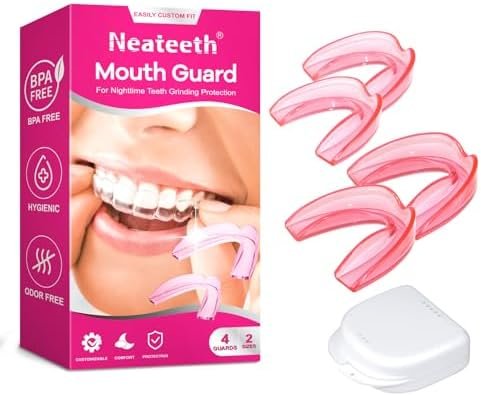
Mouthguardsprotect teeth from damage caused by grinding. They create a soft barrier between upper and lower teeth. Mouthguards can be custom-made by dentists or bought over the counter. Wearing them during the day helps reduce pressure on teeth and jaw muscles.
Dental treatmentshelp fix damage caused by grinding. Dentists may smooth rough edges or repair chipped teeth. Sometimes, they use crowns or fillings to strengthen weak teeth. Regular dental check-ups catch problems early and prevent further damage.
Correcting bite issuescan stop teeth grinding. Misaligned teeth or jaw cause uneven pressure. Orthodontic treatments like braces or aligners help move teeth into the right position. This reduces stress on teeth and lowers the chance of grinding.
Lifestyle Adjustments To Prevent Grinding
Limiting caffeine and alcoholcan reduce teeth grinding. Both can make your jaw tense and cause clenching. Try to drink less coffee, tea, soda, and alcoholic drinks during the day. This helps your muscles relax and lowers stress levels.
Regular sleep patternsare key to stopping grinding. Go to bed and wake up at the same time every day. Good sleep helps your body and mind rest well. It lowers the chance of grinding caused by tiredness or stress.
Avoid chewing non-food itemslike pens, pencils, or nails. These habits can strain your jaw and trigger grinding. Keep your mouth busy with healthy snacks like carrot sticks or gum if needed. This prevents jaw tension and breaks the grinding cycle.

Credit: www.dentistryondusk.com
When To See A Dentist
Persistent teeth grindingcan cause pain and discomfort. It may lead to headaches, jaw soreness, and worn teeth. These symptoms should not be ignored. Seeing a dentist early helps prevent more damage.
Severe tooth damageincludes cracked, chipped, or flattened teeth. This damage affects chewing and causes pain. A dentist can spot these issues and suggest solutions to protect your teeth.
A professional diagnosisinvolves checking your teeth and jaw. Dentists may use X-rays or other tools. They offer treatment optionslike mouth guards or stress relief advice. These treatments reduce grinding and protect your smile.
Frequently Asked Questions
What Causes Teeth Grinding During The Day?
Daytime teeth grinding is often caused by stress, anxiety, or poor jaw alignment. It can also result from habits like nail-biting or chewing on pens. Identifying triggers helps in managing and reducing this behavior effectively.
How Can I Stop Grinding My Teeth Naturally?
To stop grinding naturally, practice stress-relief techniques like deep breathing and meditation. Avoid caffeine and gum chewing. Regular jaw exercises and mindful awareness can also reduce the urge to grind during the day.
Are There Effective Treatments For Daytime Teeth Grinding?
Yes, treatments include stress management, physical therapy, and wearing a custom mouthguard. Dentists may recommend behavioral therapy or muscle relaxants for severe cases. Early treatment prevents dental damage and jaw pain.
Can Lifestyle Changes Reduce Teeth Grinding?
Lifestyle changes like reducing stress, improving sleep, and avoiding stimulants help reduce grinding. Regular exercise and a balanced diet support overall muscle health. These changes promote relaxation and lower grinding frequency.
Conclusion
Stopping teeth grinding during the day takes simple steps. Try to relax your jaw often and avoid stress. Drinking water and taking breaks help too. Use gentle exercises to ease tight muscles. Stay aware of when you clench your teeth.
Small changes can make a big difference. Keep practicing these habits every day. Your teeth and jaw will thank you. Taking care now prevents pain later. Stay patient and keep a calm mind. You have the power to stop teeth grinding.