
Are you waking up with a sore jaw or headaches that just won’t go away? You might be grinding your teeth without even realizing it.
Teeth grinding can damage your smile and cause discomfort, but the good news is you don’t have to suffer in silence. You’ll discover simple and effective ways to stop grinding your teeth and protect your oral health. Keep reading to learn how small changes can make a big difference in your daily comfort and confidence.
Causes Of Teeth Grinding
Stress and anxietyoften cause teeth grinding during day or night. Tension in the muscles leads to clenching and grinding. It is important to find ways to relax and calm the mind to reduce this habit.
Sleep disorderslike sleep apnea or snoring can trigger teeth grinding. These conditions disturb normal sleep patterns and cause jaw muscle tightness. Treating sleep problems can help stop grinding.
Misaligned teethor bite issues cause uneven pressure. This makes the jaw move strangely and grind teeth. Dental correction or braces can fix alignment and reduce grinding.
Lifestyle factorssuch as caffeine, alcohol, and smoking increase grinding risk. Poor sleep and high stress also play a role. Healthy habits and avoiding triggers can lower teeth grinding chances.

Credit: www.amazon.ca
Symptoms To Watch For
Jaw pain and sorenessoften occur after clenching or grinding teeth. The muscles around the jaw feel tired or tight. This pain can last for hours or even days.
Headachesare common and may start near the temples. They often happen in the morning after a night of grinding. The pain can be dull or sharp.
Worn teethshow signs like flat or chipped edges. Enamel may become thin, causing sensitivity to hot or cold foods. This damage happens over time.
Sleep disturbancescan include restless sleep or waking up often. Grinding noise may wake a partner. Poor sleep affects energy and mood during the day.
Lifestyle Changes To Reduce Grinding
Stresscan cause teeth grinding. Try deep breathing or meditation to stay calm. Taking breaks and doing light exercise helps reduce tension in your body. These simple stress management techniquescan lower grinding risk.
Caffeine and alcoholcan make grinding worse. Drink less coffee, tea, soda, and alcohol. These drinks can make your muscles tense and stop good sleep. Cutting back helps your mouth relax.
Good sleep is key. Go to bed and wake up at the same time every day. Create a calm bedtime routine with no screens. A steady sleep routinehelps your brain and body rest well. This lowers chances of grinding.
Credit: www.walmart.ca
Dental Solutions For Teeth Grinding
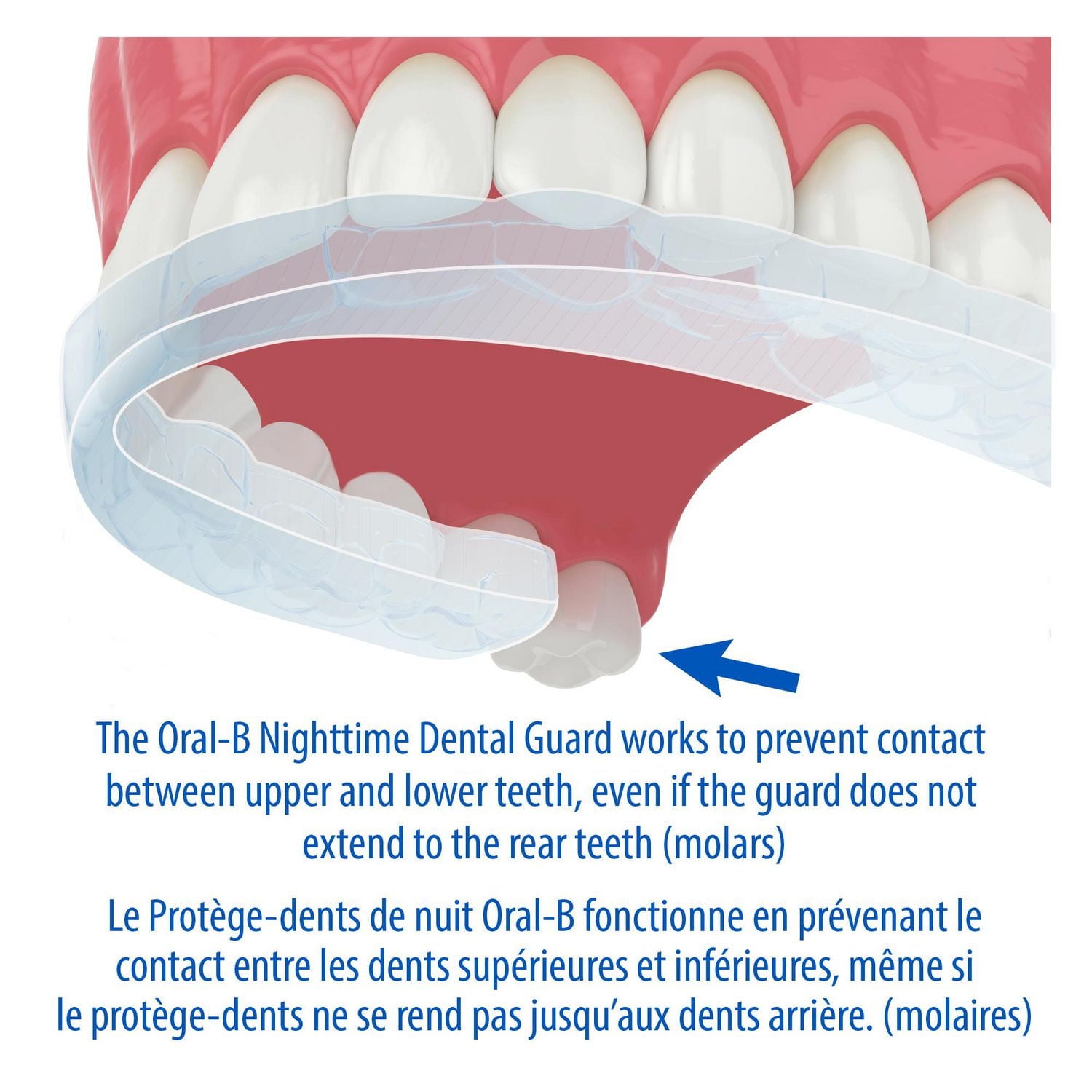
Mouthguardsand splintshelp protect teeth from grinding damage. These devices fit over teeth to reduce pressure and stop clenching during sleep. They are custom-made by dentists for comfort and effectiveness.
Corrective dental treatmentsfix bite problems that cause grinding. Braces or crowns can align teeth correctly. This reduces stress on the jaw and lowers grinding risks.
Botox injectionsrelax jaw muscles that cause grinding. Small doses weaken muscles to prevent clenching. Effects last for a few months and can be repeated as needed.
Home Remedies And Exercises
Jaw muscle relaxation exerciseshelp ease tension and stop teeth grinding. Gently open your mouth wide, then slowly close it. Repeat this movement ten times. Try moving your lower jaw side to side to stretch the muscles. Hold each stretch for a few seconds. These exercises relax the jaw and reduce clenching.
Warm compressescan soothe tight jaw muscles. Place a warm cloth or heating pad on your jaw for 10-15 minutes. The heat improves blood flow and eases muscle stiffness. Use this remedy two to three times a day for best results.
Mindfulness and meditationhelp calm your mind and body. Sit quietly and focus on your breathing. Take slow, deep breaths to relax your muscles. This practice lowers stress, a common cause of teeth grinding. Try to meditate for 5-10 minutes daily.
When To See A Professional
Persistent jaw pain, headaches, or worn tooth surfacesare signs to seek medical help. Difficulty opening or closing the mouth and earaches can also indicate a problem. Nighttime teeth grinding that causes sleep disturbances is another key sign. Early treatment helps prevent damage.
Specialists who treat teeth grinding include dentists, orthodontists, and TMJ (temporomandibular joint) specialists. Sometimes, sleep doctors or physical therapists assist in complex cases.
| Specialist | Role |
|---|---|
| Dentist | Examines teeth and fits mouth guards |
| Orthodontist | Corrects bite alignment issues |
| TMJ Specialist | Treats jaw joint disorders |
| Sleep Doctor | Checks for sleep-related causes |
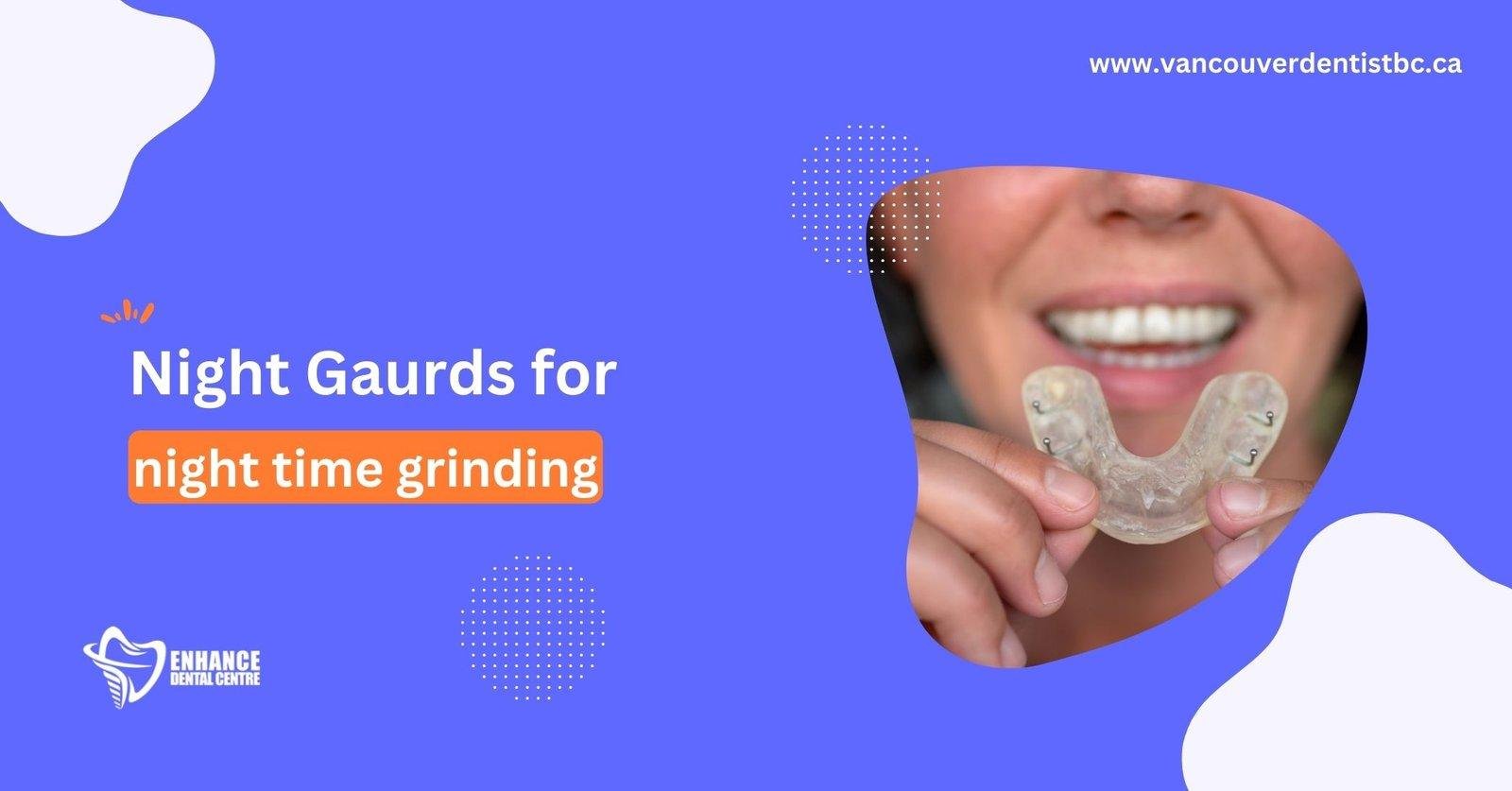
Treatment may include wearing a mouth guard at night. Doctors might suggest stress relief methods. Physical therapy can improve jaw movement. Sometimes, dental corrections or medications are needed. Regular follow-ups track progress.
Credit: vancouverdentistbc.ca
Frequently Asked Questions
What Causes Teeth Grinding And How To Stop It?
Teeth grinding often results from stress, anxiety, or sleep disorders. Managing stress, practicing relaxation, and using mouthguards can effectively reduce grinding and protect teeth.
Can Lifestyle Changes Help Prevent Teeth Grinding?
Yes, reducing caffeine and alcohol intake, avoiding chewing gum, and maintaining good sleep habits can decrease teeth grinding frequency and severity.
How Does A Mouthguard Prevent Teeth Grinding Damage?
A mouthguard cushions teeth, preventing wear and jaw pain. It acts as a barrier, reducing the force of grinding during sleep or stress.
When Should I See A Dentist For Teeth Grinding?
Consult a dentist if you experience jaw pain, headaches, or damaged teeth. Early treatment can prevent complications and improve oral health.
Conclusion
Stopping teeth grinding protects your smile and health. Try to relax your jaw during the day. Use a mouthguard at night if needed. Reduce stress with simple breathing exercises. Avoid caffeine and hard foods before bed. Visit your dentist regularly for advice and help.
Small changes can make a big difference. Keep your teeth safe and enjoy better sleep. Teeth grinding does not have to control your life. Take steps today for a calmer, healthier mouth.