
Are you waking up with a sore jaw or headaches that just won’t go away? You might be grinding your teeth at night without even realizing it.
Tooth grinding can damage your teeth and cause discomfort that affects your daily life. But the good news is, you don’t have to live with it. You’ll discover simple and effective ways to stop tooth grinding and protect your smile.
Keep reading to find out how you can regain comfort and peace, starting tonight.

Credit: sentinelmouthguards.com
Causes Of Tooth Grinding
Stress and anxietyoften cause people to grind their teeth. Tension builds up and is released by clenching the jaw. This usually happens during sleep or times of worry.
Sleep disorderslike sleep apnea can make tooth grinding worse. Poor sleep quality can lead to more jaw movement at night, increasing grinding and clenching.
Misaligned teethcause uneven pressure when biting. This can make your jaw muscles work harder and grind the teeth to find comfort.
Lifestyle factorssuch as caffeine, alcohol, and smoking raise the chances of grinding. These habits affect your nervous system and muscle control.

Credit: kigodental.com
Signs And Symptoms
Jaw pain and sorenessare common signs of tooth grinding. The muscles around the jaw may feel tired or tight. This can make it hard to open your mouth fully or chew food without discomfort.
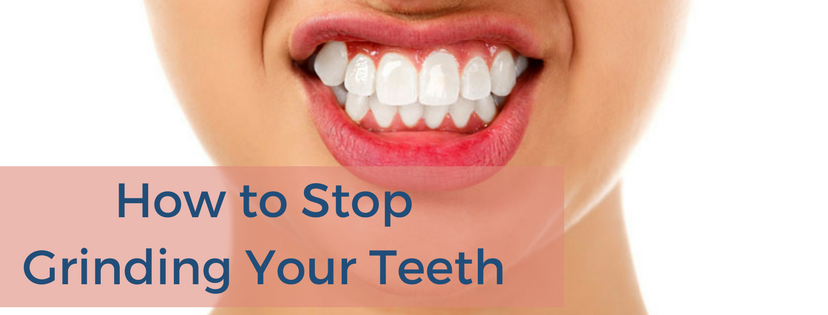
Tooth damagehappens from constant grinding. Teeth might become worn, chipped, or cracked. This can lead to sensitivity or pain when eating hot or cold foods.
Headachesoften occur, especially in the morning. The pressure from grinding can cause tension in the head and neck muscles, leading to dull or sharp headaches.
Disrupted sleepaffects both the grinder and their partner. Grinding noises or jaw discomfort can cause frequent waking or poor sleep quality.
Home Remedies To Reduce Grinding
Stress managementhelps lower tooth grinding. Try deep breathing or meditation daily. These calm your mind and relax your jaw muscles.
Simple jaw exercisesreduce tension. Open your mouth wide, then gently close it. Repeat this several times to ease muscle tightness.
Good sleep hygieneimproves rest and cuts grinding. Keep a regular sleep schedule. Avoid screens at least an hour before bed. Make your bedroom quiet and dark.
Avoiding stimulantslike caffeine or nicotine in the evening helps. These can make your muscles tense and cause grinding at night.
Professional Treatments
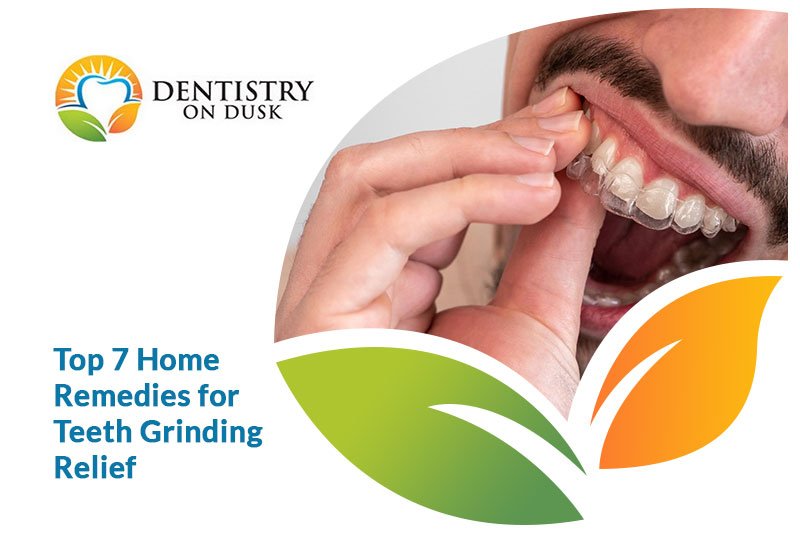
Custom mouthguardsare made to fit your teeth perfectly. They help stop grinding by creating a barrier between upper and lower teeth. Wearing one can protect your teeth from damage and reduce jaw pain.
Dental correctionsfix problems with tooth alignment. Straight teeth can reduce stress on your jaw. Sometimes, small dental work can stop grinding caused by misaligned teeth.
Behavioral therapyteaches ways to relax your jaw and mind. It helps change habits that cause grinding. Simple exercises and stress management techniques can be very helpful.
Medicationsmay be prescribed to ease muscle tension or stress. Muscle relaxants or anti-anxiety drugs can reduce grinding in some cases. Always follow your doctor’s advice carefully.
Lifestyle Changes For Prevention
Limiting alcoholand caffeinehelps reduce teeth grinding. These drinks can make muscles tense and restless. Try to avoid them, especially in the evening. This helps your jaw relax before sleep.
Regular exercise keeps your body calm and healthy. It lowers stress and helps you sleep better. Even a short walk daily can make a big difference.
Relaxation practices like deep breathing or gentle stretching calm your mind. These help stop tension that causes grinding. Try to relax for a few minutes before bed.
Routine dental checkups catch problems early. Your dentist can spot signs of grinding and suggest ways to protect your teeth. Visiting twice a year keeps your mouth healthy.
Credit: adofw.com
Frequently Asked Questions
What Causes Tooth Grinding And How To Prevent It?
Tooth grinding, or bruxism, is often caused by stress, anxiety, or misaligned teeth. Prevent it by managing stress, using a mouthguard, and seeking dental advice for alignment issues.
Can Stress Increase The Risk Of Tooth Grinding?
Yes, stress is a major trigger for tooth grinding. Relaxation techniques like meditation and exercise can reduce stress and lower grinding frequency.
Are Mouthguards Effective In Stopping Tooth Grinding?
Mouthguards protect teeth from grinding damage during sleep. Custom-fitted guards from dentists are more effective than over-the-counter options.
How Does Tooth Grinding Affect Dental Health?
Grinding wears down enamel, causes tooth sensitivity, and can lead to jaw pain. Early treatment prevents long-term dental problems.
Conclusion
Stopping tooth grinding takes time and effort. Try wearing a mouth guard at night. Reduce stress through deep breathing or gentle exercise. Avoid caffeine and alcohol before bed. Keep a regular sleep schedule for better rest. Talk to your dentist if grinding continues.
Small changes can protect your teeth and ease jaw pain. Stay patient and consistent with these tips. Your smile and health will thank you.