
Do you often find yourself struggling to get that perfect, fluffy basmati rice? You’re not alone.
Many home cooks face this challenge. But what if I told you there’s a foolproof way to achieve restaurant-quality basmati rice right in your kitchen? The secret lies in using a pressure cooker. Yes, you heard that right! By the end of this article, you’ll not only master the art of cooking basmati rice in a pressure cooker but also impress your family and friends with your newfound culinary skills.
Dive in, and discover how this simple technique can transform your cooking experience, saving you time while delivering consistently delicious results. Keep reading to unlock the secrets to perfect basmati rice every time!
Credit: pipingpotcurry.com
Basmati Rice Basics
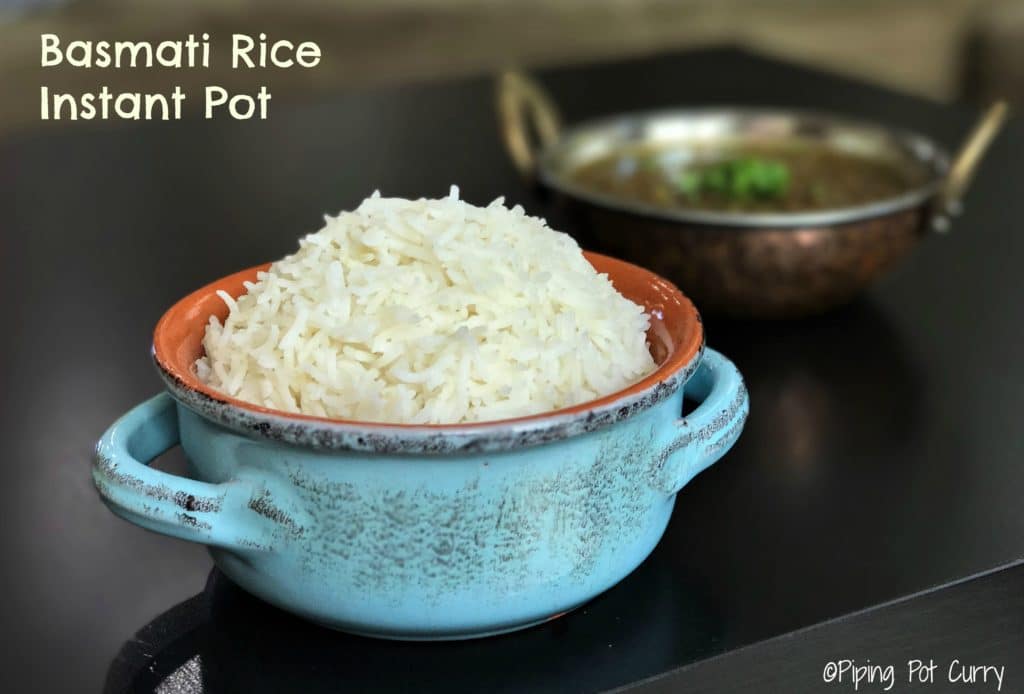
Basmati rice is known for its long grains. It has a soft texture and a special aroma. It is a favorite in many dishes. Rinsing the rice before cooking is important. This removes extra starch. Starch can make rice sticky.
Use clean water to rinse. Do this until water is clear. Measuring rice and water is key. Use one cup of rice. Add one and a half cups of water. Soaking the rice helps. Soak for 30 minutes. It makes the rice fluffier.
Choosing The Right Basmati
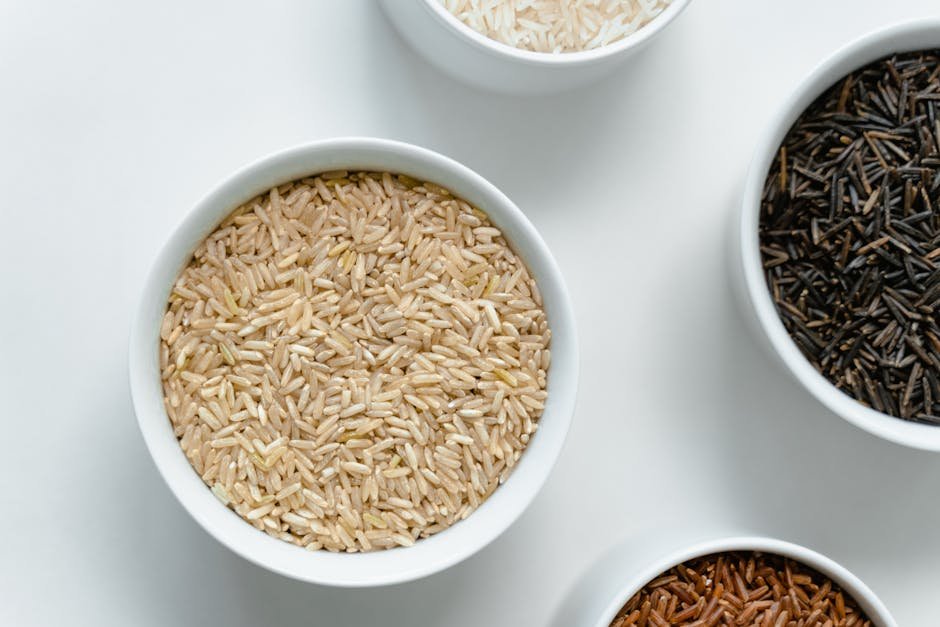
Basmati rice is known for its long grains. It has a fragrant aroma. Selecting quality basmati is important. Look for aged basmati. This type cooks better. It has more flavor. White basmati and brown basmati are common. White cooks faster. Brown has more nutrients. Check the packaging for details. Choose a brand you trust. Organic basmati is available too. It is grown without chemicals. Taste might differ slightly. Experiment with different types. Find your favorite. Each has unique qualities. Store rice properly. Keep it in a cool, dry place. Avoid moisture exposure. This preserves freshness. Enjoy cooking basmati rice.
Preparing The Rice
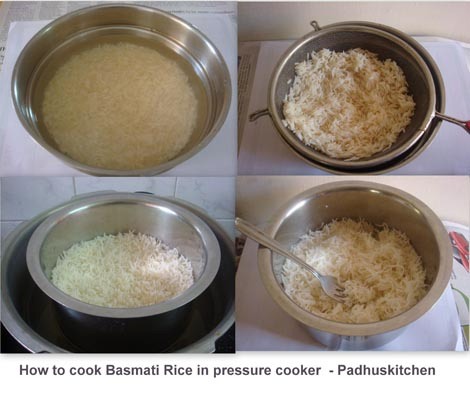
Rinsing removes dirt and extra starch. Use cold water for rinsing. Place rice in a strainer. Run water over rice. Shake gently to clean. Do this two or three times. Clear water means rice is clean.
Soaking helps rice cook evenly. Fill a bowl with water. Add rice to the bowl. Let it sit for 30 minutes. Drain water after soaking. Use fresh water to cook rice. Soaked rice cooks faster and tastes better.
Credit: www.tarladalal.com
Selecting A Pressure Cooker
Size is importantwhen choosing a pressure cooker. For small families, a 3-5 liter cooker works well. Larger families might need a 6-8 liter one. It’s good to have some extra space in the cooker. This helps to prevent spillage and allows rice to cook evenly.
Material matters too. Stainless steel cookers are durable. They last long and are easy to clean. Aluminum cookers are lighter and heat up faster. But they may not last as long. Choosing the right material depends on your needs. Remember, a good pressure cooker makes cooking rice easy and quick.
Water To Rice Ratio
Cooking basmati rice in a pressure cooker requires a precise water-to-rice ratio. Use one cup of rice with one-and-a-half cups of water for fluffy grains. Adjust the ratio slightly for softer or firmer rice, depending on your preference.
Standard Measurements
The right water to rice ratio is important. Basmati rice needs more water than regular rice. The standard ratio is 1 cup rice to 1.5 cups water. Measure the rice and water carefully. Use a measuring cupfor best results. This ratio helps the rice cook evenly. Rice cooked in a pressure cooker is soft and fluffy.
Adjustments For Altitude
Altitude affects cooking. High places need more water. Add 1/4 cup extra waterfor high altitudes. Pressure cooker uses steam. Steam cooks rice faster. Pressure builds up. Pressure helps cook rice well. Adjust water to get good rice. Experimentto find the best ratio. Cooking rice is easy with practice.
Credit: www.padhuskitchen.com
Cooking Instructions
The pressure cooker makes cooking rice easy. Set the pressure to highfor best results. This setting cooks the rice faster. Always check your cooker’s manual for exact settings. Each cooker can be different. A little care goes a long way.
Cooking time is very important. After setting the pressure, cook for 5 minutes. Then, let the pressure release naturally. This takes about 10 minutes. For softer rice, increase the cooking time slightly. Always remember to experimentbased on your taste. Adjust as needed.
Releasing Pressure
The natural release methodlets the cooker cool down by itself. This process usually takes about 10 to 15 minutes. Steam exits slowly and safely. It’s a gentle way to finish cooking. This method keeps rice moist and fluffy. Just wait until the pressure indicator drops. Then, open the lid carefully.
The quick release methodreleases steam fast. Turn the valve to venting. Steam will escape quickly. Be careful, steam can be hot. This method is faster than natural release. It is perfect if you are in a hurry. Rice might be slightly drier with this method. Always ensure your hands are safe from steam.
Fluffing And Serving
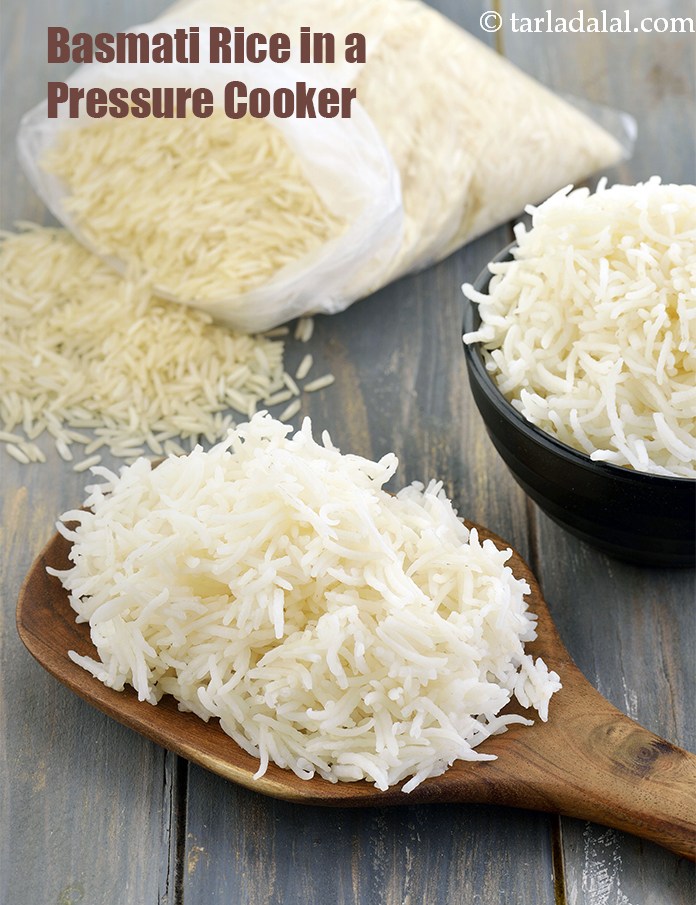
Basmati rice gets fluffy when cooked right. Use a fork to fluff the rice. It makes the grains separate. Avoid spoons. Spoons make rice mushy. Be gentle when fluffing. Handle the rice lightly.
Serve rice in a large bowl. It looks nice and easy to scoop. Add herbs for extra flavor. Cilantro and parsley work well. Rice pairs with vegetables or meat. Try it with curry or grilled chicken.
Store leftovers in the fridge. Use a tight container. Reheat rice in the microwave. Add a splash of water. It keeps rice moist. Enjoy fresh flavors with each bite.
Troubleshooting Common Issues
Pressure cooking basmati rice often leads to issues like overcooking or sticking. Adjust water ratios for perfect texture. Allow natural pressure release to avoid mushy rice.
Sticky Rice Solution
Sometimes, rice can become sticky. Rinse the rice before cooking. This removes extra starch. Use less water for cooking. Less water means less sticky rice. Also, try adding a few drops of oil. Oil helps keep the grains separate. Always fluff the rice with a fork. This also helps in separating the grains.
Undercooked Rice Fix
Rice may remain undercooked at times. Add a little more water. Cook the rice for a few more minutes. Use low heat for this extra cooking. Check the rice texture. If still hard, repeat the process. Be patient. Allow the steam to work. Rice needs time to soften.
Frequently Asked Questions
How Do You Cook Basmati Rice In A Pressure Cooker?
Rinse 1 cup of basmati rice until water runs clear. Add rice, 1. 5 cups water, and salt to the pressure cooker. Secure the lid and cook on high pressure for 5 minutes. Let the pressure release naturally. Fluff the rice with a fork before serving.
How Much Water For 1 Cup Of Basmati Rice In A Pressure Cooker?
Use 1. 5 cups of water for 1 cup of basmati rice in a pressure cooker. Ensure even cooking. Adjust water slightly for softer rice. Cooking times may vary based on cooker model. Always follow manufacturer’s instructions for best results.
What Is The Ratio Of Basmati Rice To Water In A Rice Cooker?
Use a 1:1. 5 ratio of basmati rice to water in a rice cooker. For 1 cup rice, add 1. 5 cups water. Adjust based on rice type and personal preference.
How Much Water For Basmati Rice In Pressure Cooker Reddit?
Use 1. 5 cups of water for every 1 cup of basmati rice in a pressure cooker. Adjust based on desired rice texture.
Conclusion
Cooking basmati rice in a pressure cooker is simple. Follow these easy steps. First, measure your rice and water. Next, secure the pressure cooker lid. Then, set the right cooking time. Wait for the pressure to release naturally. Enjoy perfectly cooked rice every time.
This method saves time and effort. Great for busy days. A staple for many dishes. Basmati rice pairs well with various cuisines. Try it with curries or stews. Perfect for family meals. Cooking rice doesn’t have to be hard. With practice, it becomes second nature.
Happy cooking!