
Do you find yourself waking up with a sore jaw or headaches that just won’t go away? You might be grinding your teeth without even realizing it.
Teeth grinding, or bruxism, can cause serious damage to your teeth and affect your overall health. But don’t worry—there are simple steps you can take to stop this harmful habit. You’ll discover practical and easy-to-follow tips that can protect your smile and bring you relief.
Keep reading, because your teeth—and your peace of mind—deserve it.
Credit: adofw.com
Causes Of Teeth Grinding
Teeth grinding, also called bruxism, happens for many reasons. Stress and anxietyare common causes. When people feel worried or tense, they may grind their teeth without knowing it. Sleep disorderslike sleep apnea can also lead to teeth grinding. These disorders disturb sleep and cause muscle activity in the jaw.
Misaligned teethor an uneven bite can make the jaw work harder. This often causes grinding during sleep or when awake. Lifestyle factorssuch as smoking, drinking alcohol, or using caffeine can increase the chance of grinding. Some medicines and recreational drugs may also play a role.
- Stress and Anxiety:Tension can cause jaw clenching.
- Sleep Disorders:Interruptions in sleep trigger grinding.
- Misaligned Teeth:Uneven bite causes more jaw pressure.
- Lifestyle Factors:Smoking, caffeine, and alcohol raise risk.
Signs And Symptoms
Jaw pain and sorenessoften happen after teeth grinding. The muscles around the jaw feel tired and stiff. This can make it hard to open or close your mouth comfortably. The pain might get worse in the morning or after stressful days.
Tooth damageis a clear sign of grinding. Teeth may look worn down, chipped, or cracked. Enamel can wear away, making teeth sensitive to hot or cold foods. Sometimes, the damage is not easy to see but causes discomfort.
Headachesare common with teeth grinding. They usually start in the temples or around the forehead. The pain can last for hours and feel like a tight band around the head. Grinding tightens jaw muscles, causing these headaches.
Sleep disruptionaffects both the person grinding and their partner. Grinding noises can wake you up or disturb deep sleep. Poor sleep leads to tiredness and trouble focusing during the day.
At-home Remedies
Stress managementhelps reduce teeth grinding. Try deep breathing or meditation daily. These calm your mind and body. Regular breaks during work can also lower stress levels.
Jaw exercisesrelax your jaw muscles. Gently open and close your mouth. Move your jaw side to side slowly. These exercises ease tension and improve muscle control.
Improving sleep habitssupports better jaw health. Keep a regular sleep schedule. Create a quiet, dark bedroom environment. Avoid screens before bedtime to help you fall asleep faster.
Avoiding stimulantsreduces grinding risk. Cut down on caffeine, nicotine, and energy drinks. These can make your muscles tense and increase grinding during sleep.

Credit: kigodental.com
Dental Treatments
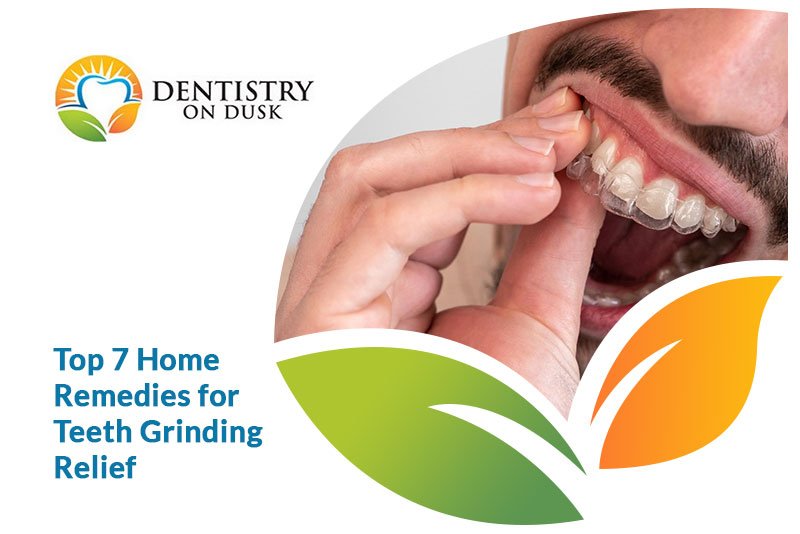
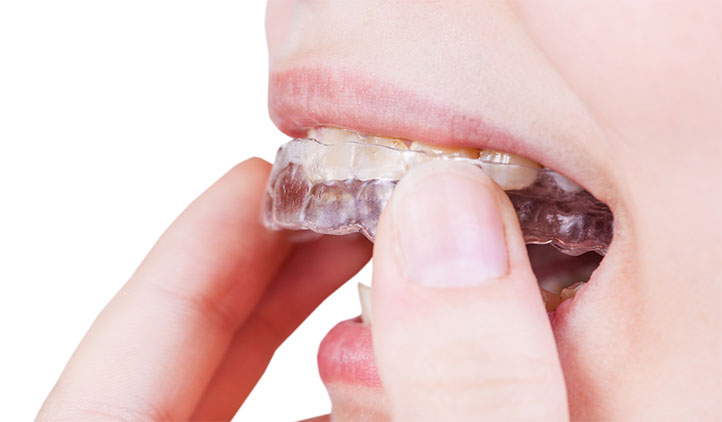
Mouthguards and splintshelp protect teeth from damage caused by grinding. They fit over your teeth and create a barrier. These devices reduce wear and stop jaw pain. Dentists usually customize them for a perfect fit. Wearing one at night is common.
Corrective dental proceduresfix problems in teeth alignment. Crooked or missing teeth can cause grinding. Braces or crowns may help. Fixing the bite reduces the chance of grinding. These treatments improve how teeth meet.
Botox injectionsrelax the jaw muscles that cause grinding. The treatment weakens the muscles slightly. This reduces muscle tension and stops clenching. Botox can be a good option for severe cases. Effects last a few months before needing another dose.
When To See A Doctor
Persistent painin the jaw or face may signal a problem. It can affect daily life and sleep quality.
Severe tooth damagesuch as cracks or worn enamel needs quick attention. This damage might lead to infections or tooth loss.
Concerns about sleep apneashould not be ignored. Teeth grinding can be linked to breathing issues during sleep. A doctor can provide tests and treatment options.
Credit: www.mckeeverdentalcare.com
Preventing Teeth Grinding
Regular dental checkups help catch teeth grinding early. Dentists can spot wear and suggest guards. Visiting every six months keeps your mouth healthy.
Healthy lifestyle choices reduce stress and jaw tension. Avoid caffeine and hard foods that strain teeth. Drink water and eat soft, balanced meals for calm muscles.
- Practice deep breathing to calm your mind.
- Try gentle yoga or stretching before bed.
- Use warm compresses on your jaw to relax muscles.
- Avoid screens and loud noises at night.
Frequently Asked Questions
What Causes Teeth Grinding And How To Stop It?
Teeth grinding is often caused by stress, anxiety, or sleep disorders. To stop it, reduce stress, avoid caffeine, and use a mouthguard at night. Consulting a dentist can provide personalized treatment options to protect your teeth and improve sleep quality.
Can Stress Management Help Prevent Teeth Grinding?
Yes, managing stress through relaxation techniques, meditation, or exercise can reduce teeth grinding. Lower stress levels help relax jaw muscles and decrease the likelihood of grinding during sleep or waking hours.
Are There Effective Treatments For Nighttime Teeth Grinding?
Mouthguards, dental splints, and behavioral therapy are effective treatments for nighttime teeth grinding. These methods protect teeth and help retrain jaw muscles, reducing grinding and preventing dental damage.
How Can Lifestyle Changes Reduce Teeth Grinding?
Lifestyle changes like avoiding caffeine, alcohol, and smoking can decrease teeth grinding. Improving sleep hygiene and practicing jaw relaxation exercises also help minimize grinding episodes and protect dental health.
Conclusion
Stopping teeth grinding takes time and care. Simple steps like reducing stress help a lot. Wearing a mouthguard at night protects your teeth. Practicing good sleep habits also makes a difference. Talk to your dentist for advice and support. Small changes can improve your comfort and health.
Keep these tips in mind to protect your smile. Your effort matters in ending teeth grinding. Stay patient and consistent for the best results.