
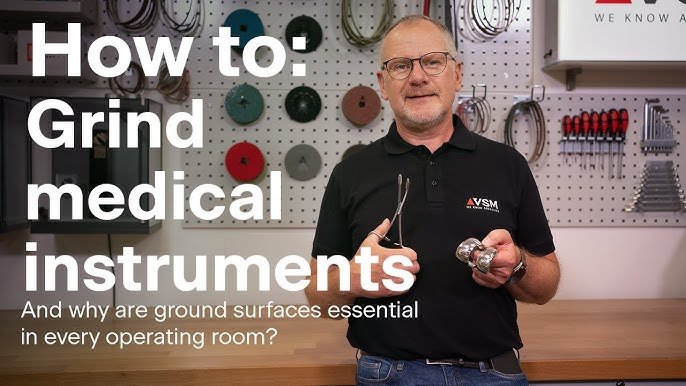
Are you ready to master the art of grinding and get the perfect finish every time? Whether you’re working on metal, wood, or other materials, knowing how to grind properly can save you time, effort, and frustration.
In this guide, you’ll discover simple steps and expert tips that make grinding easier and more effective. Keep reading, and you’ll soon have the skills to handle your projects like a pro. Your next successful grind starts here.
Credit: www.youtube.com
Choosing The Right Tools
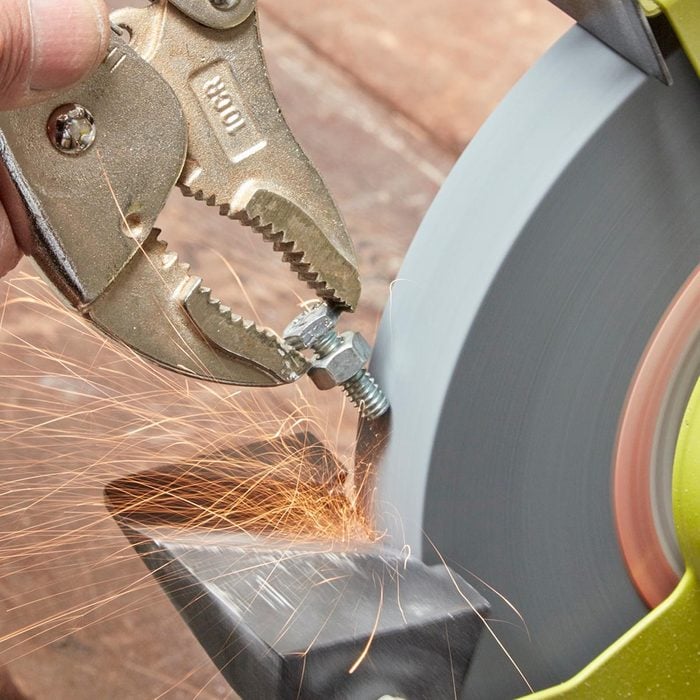
Choosing the right grinder depends on the task. Different grinders fit different jobs. Angle grinders are good for cutting and grinding metal. Bench grinders work well for sharpening tools. Die grinders handle small, detailed work.
Select grinding wheels based on the material and purpose. Coarse wheels remove more material fast. Fine wheels give a smooth finish. Always check the wheel size and speed limits for your grinder.
| Type of Grinder | Best Use | Common Grinding Wheel |
|---|---|---|
| Angle Grinder | Cutting, grinding metal | Aluminum oxide, diamond |
| Bench Grinder | Sharpening tools | Silicon carbide, aluminum oxide |
| Die Grinder | Detail work | Mounted points, burrs |
Safety gear is a must. Always wear eye protectionand gloves. Use earplugs if noise is loud. Avoid loose clothes. Keep a firm grip on the tool. Work in a clean, well-lit area.
Preparing For Grinding
Setting up your workspace is key for safe and efficient grinding. Keep the area clean and clear of clutter. Use good lighting to see your work clearly. Make sure your grinder is on a stable surface to avoid accidents. Wear protective gear like goggles and gloves before starting.
Inspect the material carefully. Look for cracks, rust, or dirt that could affect grinding. Remove any debris or oil to get a smooth finish. Check the size and shape to match your grinding needs.
Marking and measuring help guide your grinding. Use a ruler or tape measure for accurate lines. Mark the spots clearly with a pencil or chalk. Double-check measurements before you start grinding to avoid mistakes.
Grinding Techniques
Basic grinding movementsinclude circular, back-and-forth, and side-to-side actions. These movements help shape the material evenly. Keep the tool steady and move it smoothly. Avoid sudden jerks or pauses to prevent uneven surfaces.
Controlling pressure and speedis important. Apply gentle pressure to avoid damaging the material. Too much force can cause scratches or cracks. Adjust the speed based on the material hardness. Slower speed works better for hard materials. Faster speed suits soft materials.
- Use light pressure for delicate parts
- Increase pressure slightly for tough spots
- Match speed to material type
- Keep consistent speed for smooth finish
Avoiding common mistakesimproves grinding results. Do not stay too long in one spot. This can cause burns or grooves. Avoid uneven pressure; it leads to rough surfaces. Always check your work often to catch errors early.

Credit: www.youtube.com
Maintaining Your Equipment
Cleaning grinding equipment after use prevents dust buildup and rust. Use a soft brush or cloth to wipe all surfaces. Store tools in a dry place to avoid moisture damage. Cover equipment with a cloth or plastic sheet to keep dirt away.
Replace worn parts like belts, wheels, or blades regularly. Check for cracks or uneven wear that can reduce performance. Using parts in good condition ensures safety and better results.
Troubleshoot issues by listening for unusual noises or vibrations. Inspect moving parts to find any looseness or blockage. Tighten screws and bolts if needed. Regular checks keep equipment running smoothly and extend its life.
Advanced Grinding Tips
Different materials need different grinding approaches. Hard metalsrequire slower speeds and firmer pressure. Softer metalsgrind faster but need gentle handling to avoid damage. Woodneeds lighter grinding to prevent burning the surface. Always choose the right grinding wheel for the material to get the best results.
Using coolants and lubricantshelps reduce heat and friction during grinding. This keeps the material and tool cooler, which extends tool life. Water-based coolants are common for metal grinding. Oil-based lubricants work well with tougher materials. Always apply a steady flow for smooth grinding.
Finishing and polishing make the surface smooth and shiny. Start with coarse grit and move to finer grit wheels or pads. Use gentle pressure to avoid scratches. Polishing compounds or pastes can boost shine. Clean the surface after polishing to remove any residue.
Credit: www.familyhandyman.com
Frequently Asked Questions
What Is Grinding In Machining Processes?
Grinding is a precision machining process that uses abrasive wheels to remove material. It improves surface finish and dimensional accuracy on workpieces.
How Do You Choose The Right Grinding Wheel?
Select a grinding wheel based on material type, hardness, and desired surface finish. Proper choice ensures efficiency and quality.
What Safety Precautions Are Essential During Grinding?
Always wear protective gear like goggles and gloves. Ensure proper ventilation and secure the workpiece firmly before grinding.
How Can I Prevent Grinding Wheel Wear?
Avoid excessive pressure and maintain correct speed. Regularly dress the wheel to keep its cutting surface sharp.
Conclusion
Grinding takes patience and the right tools. Practice helps improve your skill every day. Always keep safety in mind while working. Clean and maintain your equipment often. Small steps lead to better results over time. Stay consistent and enjoy the process.
Grinding can be simple with the right approach. Keep learning and trying new techniques. Your efforts will show in the final work.