
Do you wake up with a sore jaw or a headache and wonder why? Grinding your teeth while you sleep could be the reason.
This hidden habit can damage your teeth and disrupt your rest without you even realizing it. But don’t worry—there are simple and effective ways you can stop grinding your teeth at night. Keep reading to discover easy tips that protect your smile and help you wake up feeling refreshed.
Your journey to peaceful sleep starts here.
Credit: medium.com
Causes Of Teeth Grinding
Stress and anxietyare common causes of teeth grinding. When the mind is tense, the body reacts by clenching the jaw. This often happens during sleep without awareness.
Sleep disorderslike sleep apnea can trigger grinding. The body tries to reopen the airway, causing jaw movements. Poor sleep quality increases the chance of grinding.
Dental issuesinclude misaligned teeth or missing teeth. These problems cause the jaw to move incorrectly. This leads to grinding and wear on the teeth.
Lifestyle factorssuch as smoking, caffeine, and alcohol use can increase grinding. These habits affect the nervous system and muscle activity during sleep.
Identifying Teeth Grinding
Teeth grinding, or bruxism, often happens during sleep. It can cause jaw pain, headaches, and worn teeth. Some people hear a grinding noisewhile sleeping. Other signs include tooth sensitivityand tight jaw muscles. These symptoms might disturb your sleep.
Visiting a dentisthelps find out if grinding is serious. Dentists check for tooth damageand ask about symptoms. They may suggest a mouth guardto protect your teeth. Early care stops more damage.
A sleep studymay be needed to check grinding. This test tracks brain waves, heart rate, and muscle activity. It shows how often grinding happens. Sleep studies help doctors plan the right treatment.
Home Remedies To Reduce Grinding
Stress managementhelps reduce teeth grinding at night. Try deep breathing or meditation to calm your mind. Relaxing before bed lowers tension that causes clenching.
Simple jaw exercisescan ease muscle tightness. Open and close your mouth slowly. Move your jaw side to side gently. These moves relax the jaw muscles and reduce grinding.
Changing your sleep positionmay also help. Sleeping on your back keeps the jaw relaxed. Avoid sleeping on your stomach, which can push your jaw forward and increase grinding.
Dental Treatments
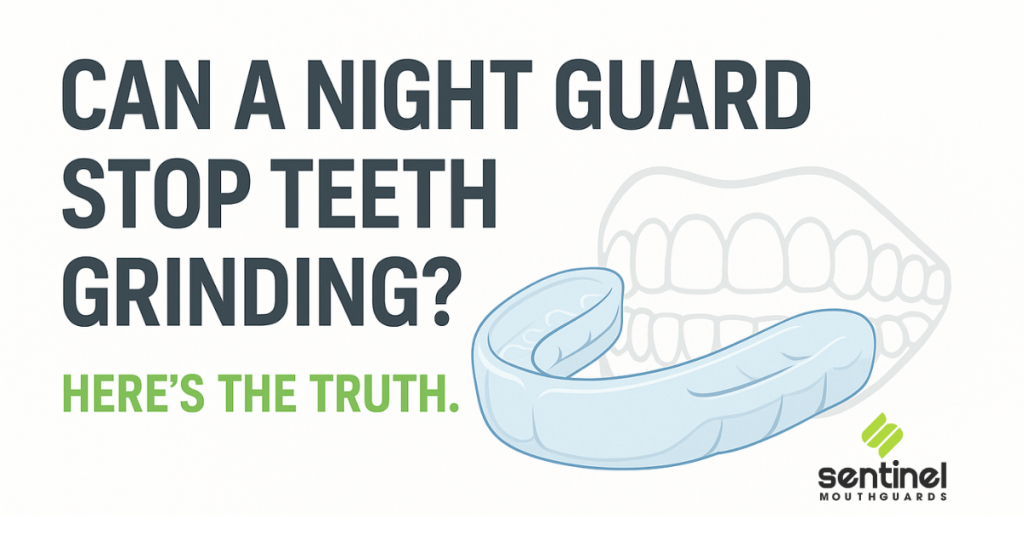
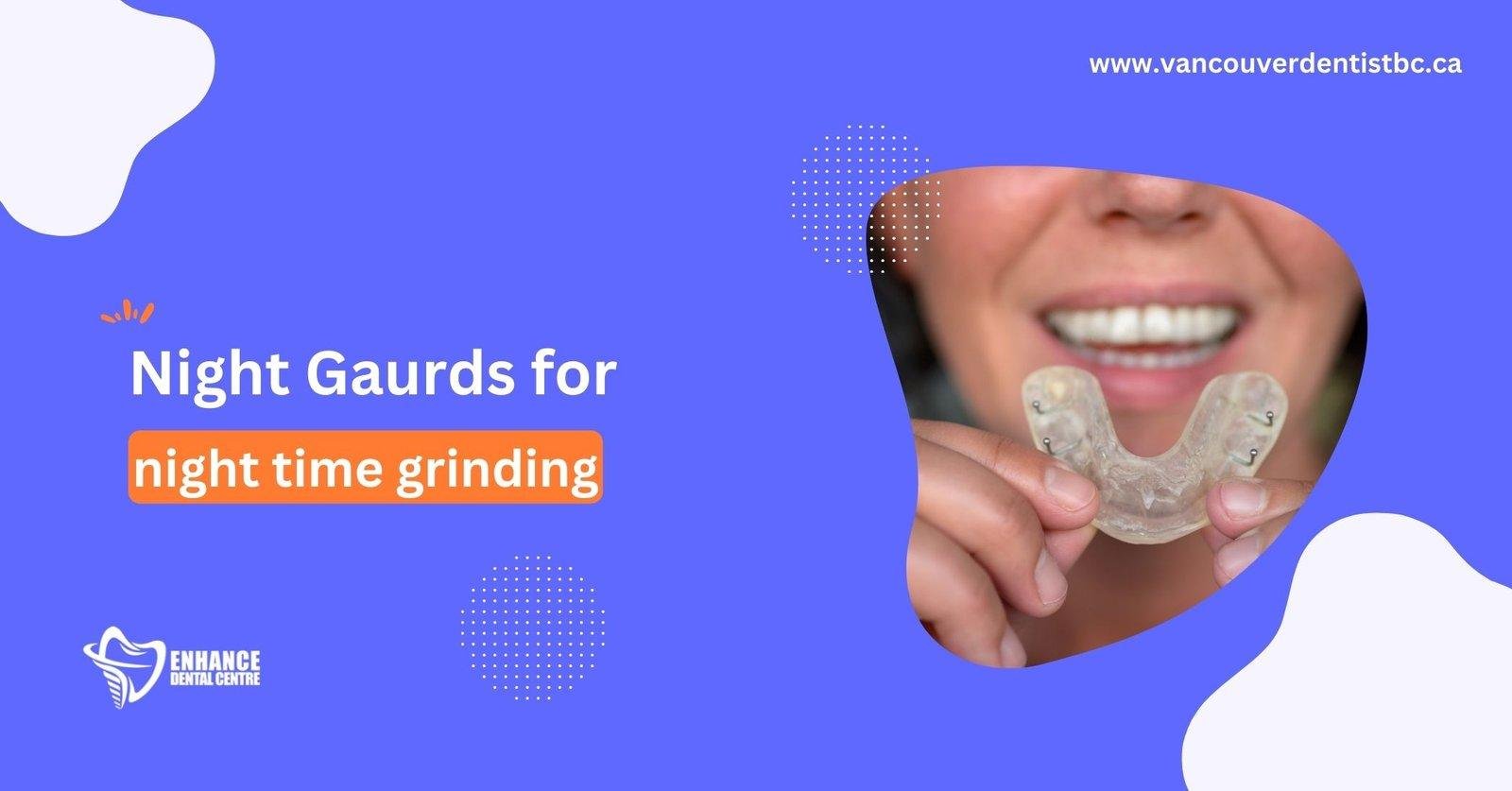
Mouthguards and splintsprotect teeth during sleep. They stop the upper and lower teeth from grinding together. These devices are usually made from soft plastic. Custom-made mouthguards fit comfortably and work better than store-bought ones.
Corrective dental proceduresfix bite problems that cause teeth grinding. Sometimes, uneven teeth or jaw issues lead to grinding. Dentists may reshape teeth or use braces to align them. This reduces pressure and stops grinding.
Medical Interventions
Medications can help reduce teeth grindingduring sleep. Muscle relaxants may ease jaw tension. Sometimes, doctors suggest low-dose anti-anxiety drugs to calm the nervous system. Pain relievers can also relieve jaw discomfort caused by grinding. Always follow a doctor’s advice before taking any medicine.
Treating sleep disorderscan lower teeth grinding risks. Therapies like cognitive behavioral therapy (CBT)help reduce stress and anxiety that trigger grinding. Sleep apneatreatment, such as using a CPAP machine, can improve breathing and stop grinding. Regular sleep routines and relaxing before bed also support better sleep health.

Credit: kigodental.com
Lifestyle Changes To Prevent Grinding
Limiting caffeineand alcoholhelps reduce teeth grinding. These substances can make your muscles tense and your sleep restless. Try to avoid coffee, tea, and energy drinks late in the day. Cut back on alcohol, especially near bedtime. This can ease your jaw tension and improve sleep quality.
Establishing a sleep routinehelps your body relax. Go to bed and wake up at the same time every day. A regular schedule trains your brain to rest better. Try calming activities before bed like reading or listening to soft music. This can lower stress, which often causes grinding.
Avoiding stimulants before bedcan stop your jaw from clenching. Avoid nicotine and sugary snacks in the evening. These raise energy and can make your muscles twitch. Create a calm, dark, and quiet room to help your body rest deeply.
When To Seek Professional Help
Signs that grinding is getting worseinclude waking with sore jaws or headaches. Teeth may feel loose or become more sensitive. Noticeable wear or chips on teeth surfaces can appear. Grinding sounds that disturb sleep are also a strong sign.
Long-term problemsfrom untreated grinding can be serious. Teeth can crack or break, leading to costly dental work. Jaw pain may become constant and affect daily activities. It can cause changes in your bite or face shape. Sleep quality may drop, causing tiredness and poor focus.
Consult a dentist if these signs appear. Early treatment helps prevent damage and pain. Dentists can offer solutions like mouth guards or therapy to protect teeth and reduce grinding.
Credit: vancouverdentistbc.ca
Frequently Asked Questions
What Causes Teeth Grinding During Sleep?
Teeth grinding, or bruxism, is often caused by stress, anxiety, or misaligned teeth. Sleep disorders and certain medications can also contribute. Identifying the cause helps in choosing the right treatment to prevent damage and reduce discomfort.
How Can I Stop Grinding Teeth Naturally?
To stop grinding naturally, practice stress-relief techniques like meditation or yoga. Avoid caffeine and alcohol before bed. Maintain a regular sleep schedule and use relaxation exercises to calm your jaw muscles, reducing nighttime teeth grinding.
Are Night Guards Effective For Teeth Grinding?
Yes, night guards are effective. They act as a protective barrier between teeth, preventing damage caused by grinding. Custom-fitted guards offer better comfort and protection, reducing jaw pain and preserving dental health during sleep.
When Should I See A Dentist For Teeth Grinding?
See a dentist if you experience jaw pain, headaches, or tooth damage. Early consultation helps diagnose bruxism and offers treatment options like night guards or dental corrections to prevent further harm.
Conclusion
Stopping teeth grinding during sleep helps protect your teeth and reduce pain. Simple steps like using a mouth guard or managing stress can make a big difference. Avoid hard foods before bed and practice relaxing activities at night. Visit your dentist to find the best solution for you.
Taking care of this habit improves your sleep and overall health. Small changes lead to better nights and healthier teeth. Don’t wait to start protecting your smile today.