
Are you waking up with a sore jaw or headaches and don’t know why? You might be grinding your teeth at night without even realizing it.
This habit can cause serious damage to your teeth and affect your overall health. But don’t worry—there are simple, effective ways you can stop grinding your teeth while you sleep. You’ll discover easy steps to protect your smile and wake up feeling refreshed.
Keep reading to find out how to take control and say goodbye to nighttime teeth grinding for good.
Causes Of Nighttime Teeth Grinding
Stress and anxietyoften cause teeth grinding at night. The brain reacts to stress by tightening jaw muscles. This leads to involuntary grinding during sleep.
Sleep disorderslike sleep apnea can increase teeth grinding. These disorders disrupt normal sleep, causing the body to respond with muscle clenching.
Misaligned teethcreate uneven contact between upper and lower teeth. This can make grinding more likely as the jaw tries to find a comfortable position.
- Lifestyle factorssuch as caffeine, alcohol, and smoking raise the chance of grinding.
- Chewing gum or biting nails may increase jaw tension.
- Poor sleep habits also contribute to teeth grinding.

Credit: kigodental.com
Signs And Symptoms To Watch For
Jaw pain and sorenesscan be a clear sign of teeth grinding. Many feel discomfort around the jaw after waking up. This pain may last for hours or even days. It can make chewing and talking difficult.
Worn teethshow damage from constant grinding. Teeth may look flat, chipped, or cracked. This wear can cause tooth sensitivity to hot or cold.
Headachesoften happen in the morning. These headaches start near the temples or forehead. Grinding causes muscle tension leading to pain.
Sleep disruptionsoccur when grinding noises wake you or your partner. Grinding can cause restless sleep and tiredness during the day.
Home Remedies To Reduce Grinding
Stresscan cause teeth grinding at night. Try deep breathing and meditation to calm your mind. These exercises help relax your muscles and reduce tension.
Avoid stimulantslike caffeine and nicotine before bedtime. These can make your body too alert and increase grinding. Choose herbal tea or warm milk instead.
Keeping a regular sleep routinehelps your body rest better. Go to bed and wake up at the same time daily. A quiet, dark room supports good sleep habits.
Dental Treatments And Devices
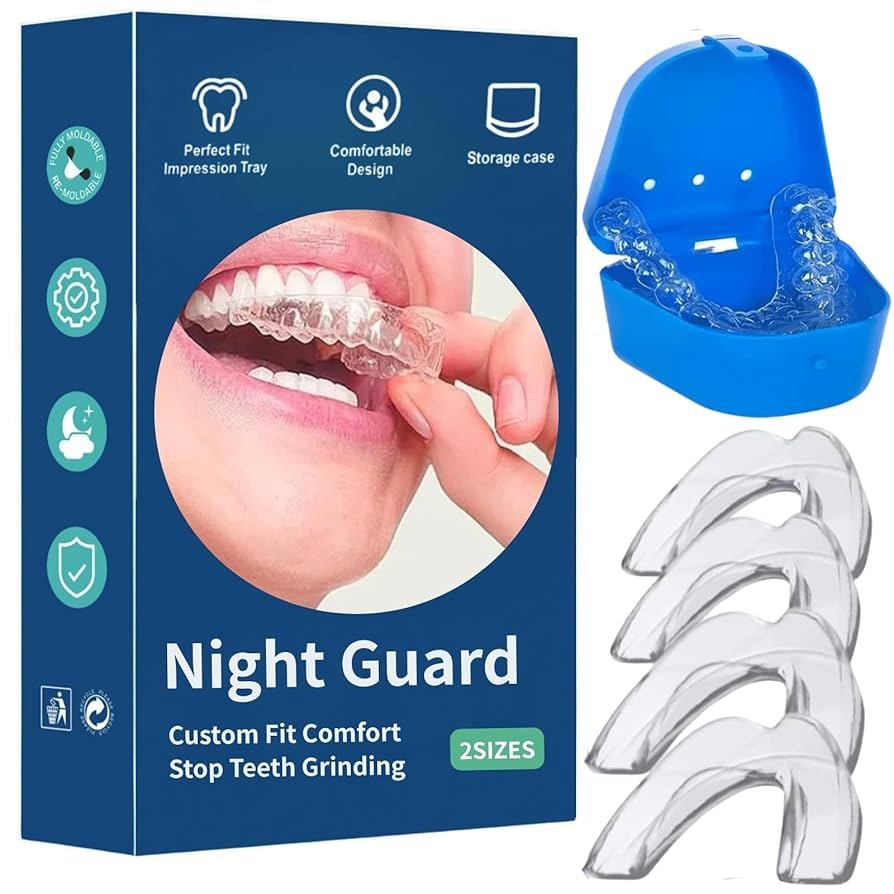
Custom night guardsare made to fit your teeth perfectly. They protect teeth from grinding damage during sleep. These guards are soft or hard and feel comfortable. Wearing one reduces jaw pain and stops tooth wear.
Orthodontic solutionshelp fix bite problems causing grinding. Braces or aligners move teeth to the right place. This reduces stress on jaws and lowers teeth grinding.
Dental restorationsrepair teeth damaged by grinding. Crowns, fillings, or veneers fix worn or broken teeth. They restore strength and improve the look of teeth.
Medical Interventions
Sleep apneacan cause teeth grinding at night. Treating it may reduce this problem. Wearing a CPAP machine helps keep airways open. This improves sleep quality and lowers grinding.
Medicationsmay be prescribed to ease muscle tension or pain. Muscle relaxants help reduce jaw clenching. Pain relievers can ease soreness from grinding. Always follow doctor’s advice when taking medicine.
Anxietyoften makes grinding worse. Therapy helps manage stress and calm the mind. Talking to a counselor or therapist can teach ways to relax. Techniques like breathing exercises may also help reduce tension.

Credit: www.amazon.com
Lifestyle Changes To Prevent Grinding
Limiting alcoholand caffeinehelps reduce teeth grinding. These drinks can make your muscles tense. Avoid them, especially in the evening. This helps your jaw relax and prevents grinding during sleep.
Regular exercise is good for your body and mind. It lowers stress, which is a common cause of grinding teeth. Choose activities you enjoy, like walking or yoga. Exercise helps you sleep better and keeps your muscles calm.
A balanced diet supports your overall health. Eating foods rich in calciumand magnesiumcan relax your muscles. Include fruits, vegetables, nuts, and dairy in your meals. Avoid too much sugar, as it may increase stress and grinding.
When To See A Professional
Persistent painin the jaw or face is a sign to see a doctor. Teeth may show wear or cracks. This damage can get worse without help. Early care can protect your smile.
Sleep disruptioncaused by grinding affects your energy. Feeling tired or waking often means it is time to get advice. Better sleep helps your body heal and work well.
Trying home remedieslike mouth guards or relaxation techniques is good. But if these do not stop the grinding, professional help is needed. Experts can offer tailored solutions for your problem.

Credit: www.amazon.com
Frequently Asked Questions
What Causes Teeth Grinding At Night?
Teeth grinding, or bruxism, is often caused by stress, anxiety, or misaligned teeth. Sleep disorders and lifestyle factors like caffeine and alcohol can also contribute to nighttime grinding.
How Can I Stop Grinding Teeth Naturally?
To stop grinding naturally, reduce stress through relaxation techniques, exercise regularly, and maintain a consistent sleep schedule. Avoid caffeine and alcohol before bed, and try jaw exercises or warm compresses to relax muscles.
Are Mouthguards Effective For Teeth Grinding?
Yes, mouthguards protect teeth from damage by cushioning the bite. Custom-fitted guards from dentists are more effective than over-the-counter options for reducing grinding and jaw pain.
When Should I See A Dentist For Teeth Grinding?
See a dentist if you experience jaw pain, headaches, or tooth damage. Early consultation helps prevent dental problems and allows for personalized treatment options.
Conclusion
Stopping teeth grinding at night takes effort and care. Start by managing your stress each day. Use a mouth guard to protect your teeth while sleeping. Avoid caffeine and heavy meals before bedtime. Practice relaxing activities to calm your mind.
Regular dental check-ups help spot problems early. Small changes can make a big difference in your sleep. Stay consistent with these habits for better results. Your teeth and overall health will thank you. Keep these tips in mind and take control tonight.