
If you’ve ever tried making idli at home, you know that grinding urad dal just right can make all the difference. But how long should you grind it to get that perfect fluffy texture?
Too little, and your idlis turn out dense; too much, and the batter can become sticky or watery. You’ll discover the ideal grinding time to achieve soft, airy idlis every time. Keep reading, because mastering this simple step will elevate your idli game and impress everyone at your table.
Ideal Grinding Time For Urad Dal
The ideal grinding timefor urad dal varies between 20 to 40 minutes. It depends on the type of grinder and the amount of dal used. Grinding should produce a smooth, fluffy batterthat traps air well. Overgrinding can heat the dal, affecting the batter’s quality.
Factors like grinder speed, dal soaking time, and water quantity influence the grinding duration. Using cold water helps keep the batter cool and airy. A wet grinder usually takes longerbut gives better texture than a blender.
| Texture Aspect | Ideal Characteristic |
|---|---|
| Consistency | Smooth and creamy, no grainy bits |
| Airiness | Light and fluffy to rise well |
| Stickiness | Should be slightly sticky, not runny |
| Temperature | Cool or room temperature, not warm |
Grinding Techniques For Best Results
Grinding urad dal in a wet grinderusually takes about 20 to 30 minutes. This process produces a smooth and fluffy batterthat is ideal for idli. Wet grinders use stone grindingwhich generates less heat and keeps the batter cool.
A mixer grindergrinds faster, around 5 to 10 minutes. But it can heat the dal, affecting the batter’s texture. The batter may turn grainyand not rise well.
Soaking urad dal for 4 to 6 hourssoftens it. This helps in grinding and results in a lighter batter. Longer soaking improves fermentation, making idlis soft and airy.
| Aspect | Wet Grinder | Mixer Grinder |
|---|---|---|
| Grinding Time | 20-30 minutes | 5-10 minutes |
| Batter Texture | Smooth and fluffy | Can be grainy |
| Heat Generation | Low heat | High heat |
| Impact on Fermentation | Better fermentation | May reduce fermentation |
Signs Of Perfectly Ground Urad Dal
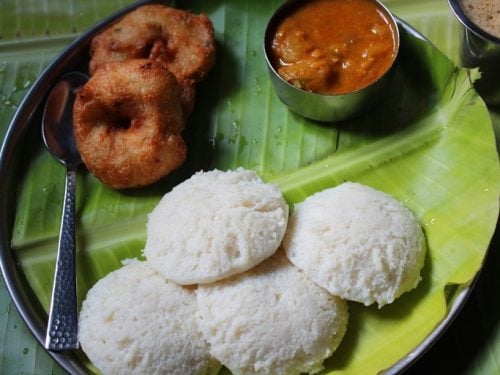
The urad dal should look white and fluffyafter grinding. It forms a light, airy batterthat holds air well. The texture should be smooth and creamy, not grainy or coarse.
Check the batter by rubbing a small amount between your fingers. It should feel soft and slightly sticky, not rough or dry.
The batter must be thick enough to hold shapebut still pourable. It should slowly fall from a spoon in a ribbon-like flow.
- Color:Bright white, not dull or yellowish
- Texture:Smooth and creamy, free from lumps
- Airiness:Light and fluffy, showing good aeration
- Stickiness:Slightly sticky to touch, not runny
- Flow:Thick but pourable, falling in ribbons
Credit: www.yummytummyaarthi.com
Common Grinding Mistakes To Avoid
Over-grindingurad dal makes the batter too smooth. This can cause the idli to become dense and heavy. The batter loses its natural airiness, which is needed for soft idlis. Over-grinding also heats the batter, which can spoil the fermentation process.
On the other hand, under-grindingleaves big dal pieces in the batter. This results in a coarse texture and hard idlis. The batter may not bind well, causing the idlis to fall apart.
- Ideal grinding time is about 20-30 minutes for smooth batter.
- Stop grinding once the batter feels light and fluffy.
- Ensure the batter is neither too watery nor too thick.
- Keep the batter cool to help good fermentation.
Expert Tips For Smooth Batter
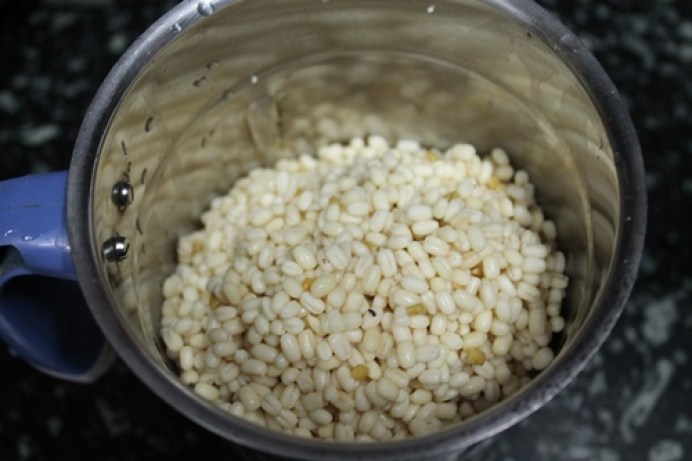
Grinding urad dal for idli batter needs about 20 to 30 minutesin a wet grinder. The batter should be soft and fluffy, not coarse. Add water slowly; the batter must be thick but smooth. Using too much water will make the batter runny.
Water quantity varies with dal quality. Start with less water and add more as you grind. The batter should have a pourable consistencybut not be watery.
Resting the batter for 8 to 12 hoursat room temperature helps fermentation. Warm places speed up fermentation. The batter will rise and become airy. Stir gently before making idlis.
| Step | Time | Notes |
|---|---|---|
| Grinding urad dal | 20-30 minutes | Grind until soft and fluffy |
| Water addition | During grinding | Add gradually to get thick batter |
| Resting and fermentation | 8-12 hours | Keep in warm place for best rise |

Credit: www.sandhiyascookbook.com
Credit: www.yummytummyaarthi.com
Frequently Asked Questions
How Long Should I Grind Urad Dal For Idli Batter?
Grind urad dal for about 20 to 25 minutes to achieve a smooth and fluffy batter. Consistent grinding ensures proper fermentation and soft idlis.
Can Grinding Time Affect Idli Texture?
Yes, grinding time directly impacts idli texture. Longer grinding creates a lighter batter, resulting in soft and spongy idlis.
Should I Soak Urad Dal Before Grinding?
Yes, soak urad dal for 4 to 6 hours before grinding. Soaking softens the dal, making grinding easier and batter smoother.
What Consistency Is Ideal After Grinding Urad Dal?
The batter should be smooth, thick, and fluffy. It should hold air bubbles, which help in making soft idlis.
Conclusion
Grinding urad dal for idli takes about 20 to 30 minutes. The dal should become soft and fluffy. This texture helps make idlis light and airy. Avoid grinding too long, or the batter may turn sticky. Check the batter often to get the right consistency.
Proper grinding time improves the taste and texture of your idlis. Practice will help you find the perfect grind time for your taste. Enjoy making soft and delicious idlis every time. Simple steps lead to great results.