
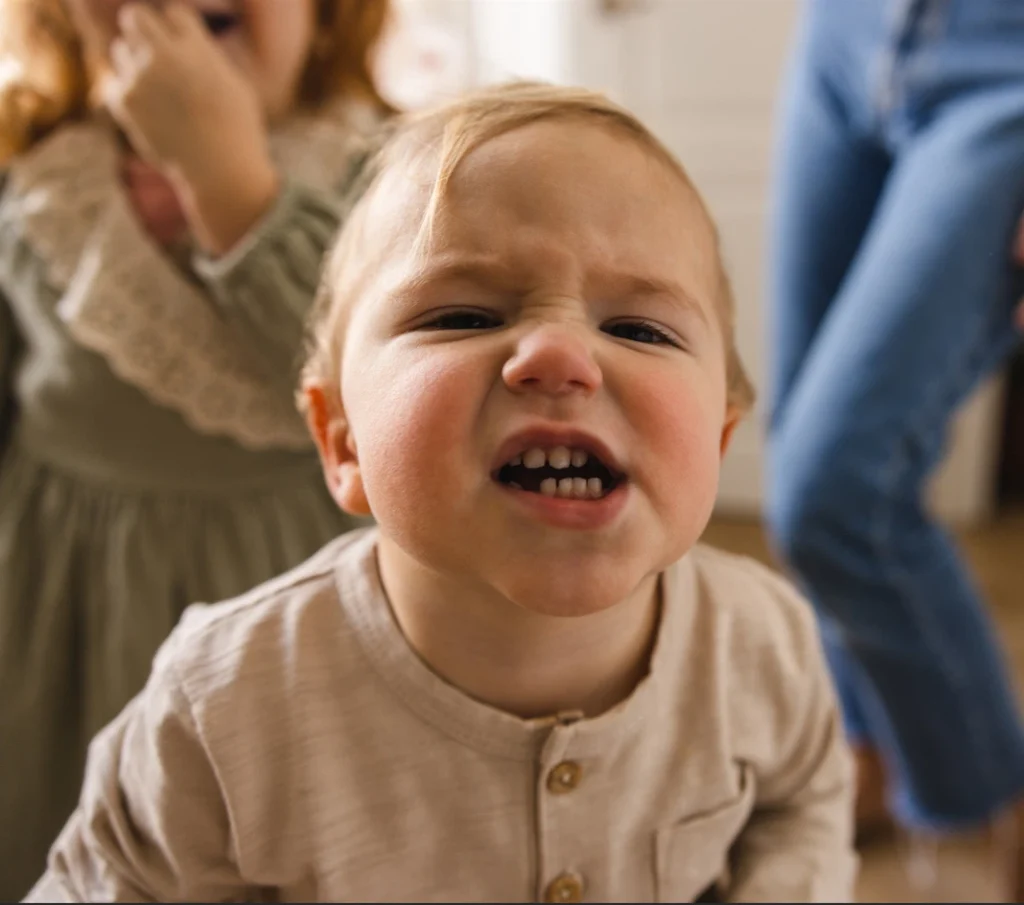
Does your baby grind their teeth while sleeping or even during the day? It can be worrying to hear that grating sound coming from your infant’s mouth.
You might be wondering if it’s normal, if it could hurt them, or what you can do to stop it. Teeth grinding, also called bruxism, is common in infants but knowing how to handle it can bring you peace of mind and protect your baby’s delicate teeth.
Keep reading to discover simple, effective ways you can help your little one stop grinding their teeth and ensure their comfort and health.

Credit: www.robelledental.com.au
Causes Of Infant Teeth Grinding
Teething discomfortoften causes infants to grind their teeth. The pain and irritation from new teeth pushing through gums make babies chew or grind to soothe themselves.
Stress and anxietycan also lead to teeth grinding. Babies may feel upset or nervous due to changes in their routine or environment, causing this behavior.
Some developmental factorsplay a role as well. Grinding may happen while the child’s mouth and jaw muscles grow and adjust to new teeth.
Certain medical conditionsmight cause or worsen teeth grinding. For example, ear infections or sleep disorders can increase the chance of grinding.
Signs To Watch For
Grinding teeth makes noisy soundsduring sleep or quiet moments. Parents often notice this first. The noise can be soft or loud.
Irritability or fussinessmight happen because grinding can cause discomfort. Babies may cry more or seem restless.
Changes in sleep patternsare common. Infants might wake up often or have trouble falling asleep.
Visible tooth wearshows as flat or chipped teeth. This can be seen during feeding or playtime.
Home Remedies To Reduce Grinding
Teething pain can make infants grind their teeth more often. Offering soft teething toyshelps soothe their gums. These toys are gentle and safe for babies to chew on. Establishing a calm bedtime routinealso reduces stress, which lowers teeth grinding. Quiet activities and a warm bath signal it’s time to sleep.
Providing comfort and reassuranceis very important. Holding or gently rocking the baby can calm them. Soft music or a gentle voice helps too. These actions make babies feel safe and less likely to grind their teeth.

Credit: www.springvaledental.com.au
When To Consult A Pediatrician
Persistent grinding that lasts for weeks may need a doctor’s check. Look for signs like the baby seeming upset or in pain. Grinding that hurts the teeth or jawshould be checked quickly. Some health issues like ear infections or teething problems can cause grinding.
| Signs | What to Watch For | Why It Matters |
|---|---|---|
| Persistent Grinding | Grinding that lasts many days | May damage teeth or show health issues |
| Signs of Pain or Discomfort | Crying, rubbing face, trouble sleeping | Could mean the baby is hurting |
| Impact on Teeth or Jaw | Worn teeth, swollen jaw | Needs quick care to stop damage |
| Possible Underlying Health Issues | Ear infections, teething troubles | Need treatment to stop grinding |
Professional Treatments And Solutions
Dental guardscan protect an infant’s teeth from grinding damage. These soft, custom-fitted guards are made by a pediatric dentist. They fit comfortably inside the baby’s mouth and reduce wear on teeth.
Behavioral therapyhelps infants stop teeth grinding by addressing underlying causes. Therapists teach parents ways to soothe the baby and reduce stress. Consistent routines and calming techniques often reduce grinding.
In rare cases, a doctor may suggest medicationsto help with teeth grinding. These are only used when other treatments fail and if grinding causes harm or pain.
Regular follow-up visitswith the dentist are important. This helps monitor teeth growth and check if grinding has stopped or caused damage. Early care prevents future dental problems.
Preventive Measures For Healthy Teeth
Regular visits to the dentist help spot teeth grinding early. A dentist can check your infant’s teeth and give advice. These checkups keep teeth healthy and prevent damage from grinding.
Good sleep helps reduce teeth grinding. Create a calm bedtime routine to help your baby sleep well. Avoid loud noises or bright lights before sleep. A relaxed infant is less likely to grind teeth.
Stress can cause infants to grind their teeth. Comfort your baby with gentle touch and soothing words. Keep their environment calm and peaceful. Reducing stress lowers teeth grinding chances.
| Balanced Nutrition Tips |
|---|
| Feed your baby healthy foods like fruits and vegetables. |
| Avoid sugary snacks that can harm teeth. |
| Ensure enough calcium and vitamins for strong teeth. |
| Keep your infant hydrated with water throughout the day. |

Credit: lemaclinic.com
Frequently Asked Questions
Why Do Infants Grind Their Teeth?
Infants grind teeth due to teething discomfort or exploring their mouths. It may also signal stress or ear pain. Usually, it’s harmless and temporary as teeth develop.
When Should I Worry About Infant Teeth Grinding?
Consult a pediatric dentist if grinding causes pain, damaged teeth, or sleep problems. Persistent grinding beyond toddler years also needs professional evaluation.
How Can I Stop My Baby From Grinding Teeth?
Comfort your baby with teething toys or gentle gum massages. Maintain a calm bedtime routine to reduce stress-related grinding.
Does Infant Teeth Grinding Affect Dental Health?
Occasional teeth grinding usually doesn’t harm baby teeth. However, frequent grinding can wear enamel or cause jaw discomfort, so monitor symptoms closely.
Conclusion
Stopping an infant from grinding teeth takes patience and care. Watch your baby’s habits and comfort them often. Use gentle methods like soothing sounds or soft toys. Keep their mouth clean and check with a doctor if needed. Small steps each day make a big difference.
Your calm and attention help your baby feel safe. Remember, this phase usually passes with time. Stay consistent and kind in your approach. Your baby’s smile will stay healthy and bright.