
Do you wake up with a sore jaw or headaches and wonder why? Grinding your teeth in sleep might be the hidden cause.
This common problem can damage your teeth and disrupt your rest without you even realizing it. But what if you could stop it before it starts? You’ll discover simple, effective ways to prevent grinding your teeth at night. Keep reading to protect your smile and wake up feeling refreshed every day.
Causes Of Teeth Grinding
Teeth grinding, or bruxism, often happens during sleep. Stress and anxietyare common causes. Feeling worried or tense can make the jaw muscles tight. This leads to grinding or clenching teeth at night.
Sleep disorderslike sleep apnea may also cause grinding. People with these issues have trouble resting well. The body reacts by tightening jaw muscles.
Dental issuesplay a role too. Misaligned teeth or missing teeth can cause uneven pressure. The mouth tries to fix this by grinding teeth unconsciously.
Lifestyle factorssuch as caffeine, smoking, and alcohol can increase grinding. These habits make the muscles more active. Poor sleep habits add to the problem.
Signs And Symptoms
Morning jaw painoften feels like soreness or stiffness. It may make chewing hard or uncomfortable. This pain happens because your jaw muscles work too hard at night.
Tooth damagecan be small cracks, chips, or worn surfaces on teeth. These changes happen slowly and may go unnoticed until a dentist finds them. Grinding puts strong pressure on teeth.
Regular headachescan come from tired jaw muscles. They often start near the temples or around the head. This pain is a common sign of nighttime grinding.
Sleep disruptionoccurs when grinding noises wake you or your partner. It can also cause restless sleep and tiredness the next day. Poor sleep affects overall health and mood.
Home Remedies
Stresscan cause teeth grinding during sleep. Practice deep breathingor meditation to calm your mind. Yoga and gentle stretching also help reduce tension.
Jaw exercisesrelax muscles. Try opening your mouth wide and moving your jaw side to side slowly. Repeat several times a day to ease tightness.
Sleep hygienemeans a good routine. Go to bed and wake up at the same time daily. Avoid screens and bright lights before sleep. A cool, dark room helps you rest better.
Avoid stimulantslike caffeine or nicotine late in the day. These can make your muscles tense and increase grinding. Drink water or herbal tea in the evening instead.

Credit: sentinelmouthguards.com
Dental Treatments
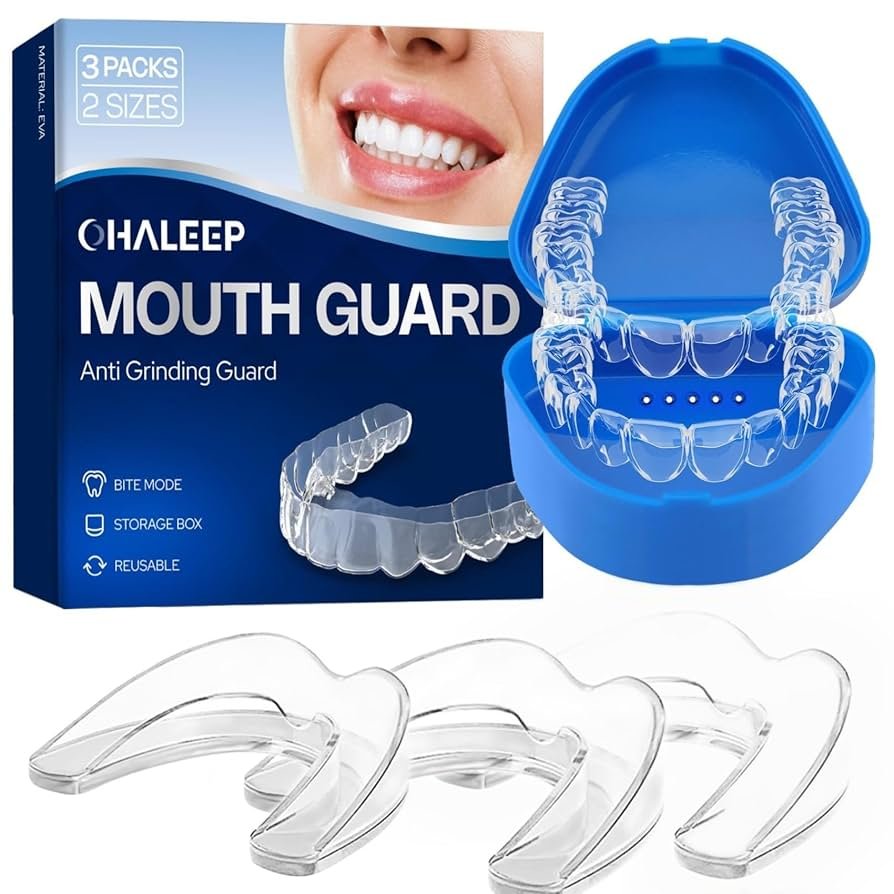
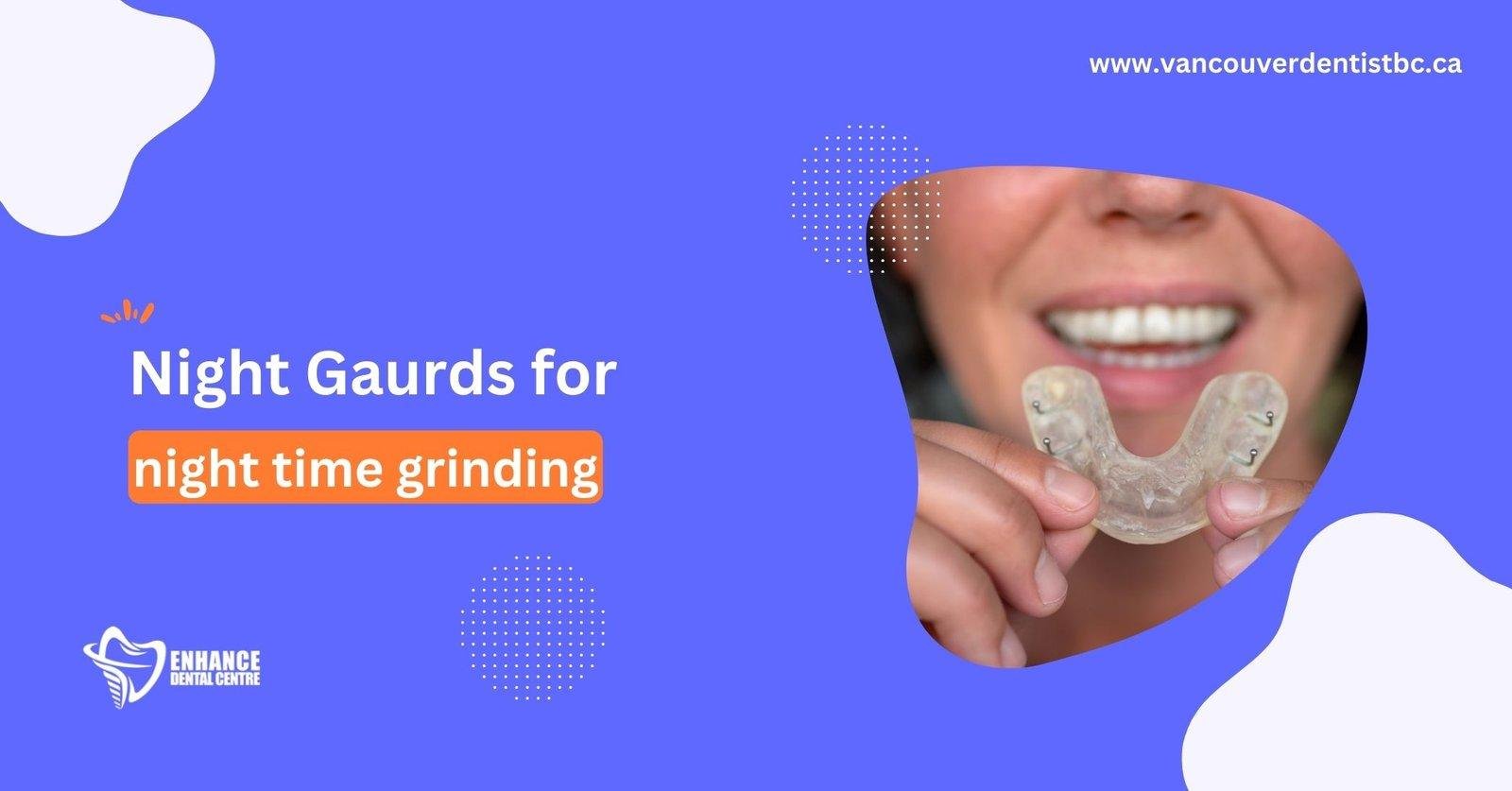
Mouthguardsand splintshelp protect teeth from grinding damage. They fit over the teeth and create a cushion between upper and lower jaws. This reduces pressure and stops teeth from grinding against each other. Custom-made guards from a dentist fit better and feel more comfortable than store-bought ones. Wearing these every night can prevent tooth wear, jaw pain, and headaches.
Corrective dental proceduresmay fix issues causing teeth grinding. These include reshaping teeth or fixing bite problems. Sometimes crowns or braces help align teeth properly. Proper alignment reduces stress on jaw muscles. Dentists evaluate the bite and suggest the best treatment to stop grinding.
Lifestyle Adjustments
Reducing alcoholand caffeinecan help lower teeth grinding. These drinks may make muscles tense and increase stress. Drinking less before bed can make sleep calmer and reduce grinding.
Regular exercise helps release stressand relaxes the body. It can improve sleep quality and reduce the chance of grinding teeth at night. Simple activities like walking or stretching work well.
- Limit coffee, tea, and energy drinks after afternoon.
- Avoid heavy drinking close to bedtime.
- Try light exercise daily, such as yoga or walking.
- Exercise helps your mind and body relax before sleep.

Credit: www.amazon.com
When To See A Doctor
Persistent symptoms of teeth grinding include frequent headaches, jaw pain, and worn tooth surfaces. These signs should not be ignored. Severe tooth damage can lead to broken, cracked, or loose teeth. This may cause pain and difficulty chewing.
Doctors may suggest a sleep study to check for teeth grinding during sleep. This test helps find hidden problems like sleep apnea. It records breathing, muscle activity, and sleep patterns.
Credit: vancouverdentistbc.ca
Frequently Asked Questions
What Causes Teeth Grinding During Sleep?
Teeth grinding, or bruxism, is often caused by stress, anxiety, or misaligned teeth. It can also result from sleep disorders or lifestyle factors like caffeine and alcohol consumption.
How Can A Mouthguard Prevent Teeth Grinding?
A mouthguard acts as a protective barrier between teeth, reducing friction and preventing damage. It helps minimize jaw strain and alleviates symptoms associated with grinding during sleep.
Are There Natural Ways To Stop Grinding Teeth At Night?
Yes, managing stress through relaxation techniques like meditation, avoiding caffeine before bed, and practicing good sleep hygiene can reduce teeth grinding naturally. Regular exercise also helps relieve tension that triggers grinding.
When Should I See A Dentist About Teeth Grinding?
Visit a dentist if you experience jaw pain, headaches, worn teeth, or disturbed sleep. Early consultation helps diagnose the cause and provides effective treatment options to prevent further damage.
Conclusion
Preventing teeth grinding during sleep helps protect your teeth and jaw. Try to reduce stress before bedtime. Use a mouthguard if a dentist suggests it. Avoid caffeine and heavy meals late at night. Practice good sleep habits for better rest.
Small changes can make a big difference. Stay consistent with these tips every night. Your smile will thank you for the care.