
Do you wake up with a sore jaw or a headache and wonder why? Teeth grinding might be the hidden culprit causing your discomfort.
If you’re tired of the pain and damage it brings, you’re not alone—and there are simple, effective ways to stop it. Keep reading to discover easy steps you can take right now to protect your smile and feel better every day.
Your journey to a peaceful, pain-free mouth starts here.

Credit: www.youtube.com
Causes Of Teeth Grinding
Teeth grindingoften happens because of stress and anxiety.When people feel worried or tense, they may grind their teeth without knowing. Sleep disorderslike sleep apnea can cause grinding too. Problems with breathing or poor sleep quality make muscles tense, leading to grinding during sleep.
Misaligned teethalso cause grinding. When teeth do not fit well together, the jaw works harder, causing teeth to rub or grind. This can hurt the teeth and jaw over time.
Lifestyle factorssuch as drinking too much caffeine, smoking, or chewing gum often can increase teeth grinding. These habits may make your jaw muscles tight and tired.
Symptoms To Watch For
Jaw pain and sorenessoften happen after grinding teeth at night. The muscles can feel tight and tender. This pain may worsen in the morning and last throughout the day.
Worn tooth enamelis a clear sign of teeth grinding. Teeth might look flat or chipped. Enamel wears down fast, making teeth sensitive to hot and cold foods.
Headaches and earachescan appear from clenching the jaw. These pains are usually dull but can be frequent. Ear pain is caused by tension in jaw muscles near the ears.
Sleep disruptionhappens when grinding disturbs rest. It can wake you or your partner up at night. Poor sleep leads to tiredness and trouble focusing during the day.
Effective Home Remedies
Stresscan cause teeth grinding. Try deep breathing or meditation to relax. Spending time outdoors or doing hobbies helps too. Keeping calm can reduce jaw clenching at night.
Gentle jaw exercisesease muscle tension. Slowly open and close your mouth. Move your jaw side to side. These moves relax muscles and stop grinding.
Good sleep habitssupport healthy teeth. Stick to a sleep schedule. Make your room dark and quiet. Avoid screens before bedtime for better rest.
Avoid stimulantslike caffeine and nicotine. They can make grinding worse. Drinking less coffee or tea in the evening helps. Choose water or herbal tea instead.
Dental Treatments
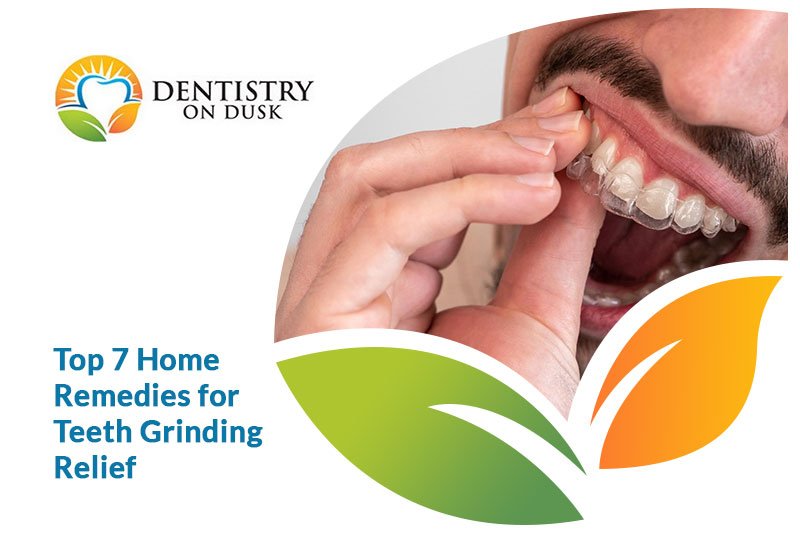
Mouthguards and splintshelp protect teeth from grinding damage. These devices fit over teeth and stop them from rubbing together. Dentists make custom mouthguards that fit well and feel comfortable. Wearing one at night can reduce pain and stop tooth wear. Some people use over-the-counter guards, but custom ones work better. Splints can also help relax jaw muscles and ease tension.
Corrective dental proceduresfix problems that cause teeth grinding. Crooked or missing teeth can make grinding worse. Dentists may reshape teeth or use crowns to improve bite. Sometimes braces or other orthodontic treatments help align teeth. Fixing bite issues can reduce grinding and protect teeth. These treatments take time but offer long-lasting relief.
When To See A Doctor
Persistent painin your jaw or face may mean you need medical help. This pain does not go away with rest. It can get worse during the day.
Severe tooth damageis a clear sign to see a doctor. Cracked or worn teeth can cause more problems. A dentist can check the damage and suggest ways to protect your teeth.
Sleep apnea concernscan link to teeth grinding. If you stop breathing briefly during sleep or feel very tired during the day, talk to a doctor. A sleep study might be needed to find out the cause.
- Jaw pain lasting more than a week
- Visible cracks or chips in teeth
- Loud snoring or gasping sounds at night
- Feeling tired even after a full night’s sleep

Credit: dynastystomatology.cz

Credit: www.dentistryondusk.com
Frequently Asked Questions
What Causes Teeth Grinding And How To Stop It?
Teeth grinding is often caused by stress, anxiety, or misaligned teeth. To stop it, manage stress, avoid caffeine, and use a mouthguard at night. Consult a dentist to explore treatment options and prevent damage to teeth.
Can Teeth Grinding Damage My Teeth Permanently?
Yes, chronic teeth grinding can cause permanent tooth damage. It wears down enamel, causes fractures, and leads to tooth sensitivity. Early intervention with dental care and protective devices can help prevent severe damage.
Are There Effective Home Remedies For Teeth Grinding?
Yes, home remedies include stress reduction, jaw exercises, and avoiding stimulants like caffeine. Applying warm compresses can relax jaw muscles. However, consult a dentist for a proper diagnosis and treatment plan.
How Does A Mouthguard Help With Teeth Grinding?
A mouthguard cushions teeth, preventing direct contact and reducing wear. It also helps relieve jaw muscle strain. Custom-fitted mouthguards by dentists offer the best protection and comfort for teeth grinders.
Conclusion
Teeth grinding can cause pain and damage over time. Taking steps to reduce stress helps a lot. Using a mouth guard protects your teeth while sleeping. Practice good sleep habits for better rest. Visit your dentist for advice and support.
Small changes make a big difference in your health. Act now to keep your smile safe and strong. Don’t ignore teeth grinding—it affects your whole body. Stay consistent and patient for the best results. You deserve comfort and healthy teeth every day.