

Do you wake up with a sore jaw or headaches that just won’t go away? You might be grinding your teeth at night without even realizing it.
This common habit can quietly damage your teeth and affect your sleep quality. But don’t worry—you can take simple steps to stop it before it causes serious problems. Keep reading to discover easy and effective ways to protect your smile and get a peaceful night’s rest.
Your teeth—and your mornings—will thank you.
Causes Of Nighttime Teeth Grinding
Stress and anxietyoften cause teeth grinding at night. The brain reacts to stress by tightening jaw muscles. This can lead to unconscious grinding during sleep. Managing stress with relaxation techniques can help reduce this behavior.
Sleep disorderslike sleep apnea or snoring can trigger grinding. These conditions disrupt normal sleep patterns. The body may respond by clenching or grinding teeth. Treating sleep disorders can lower the chance of grinding.
Misaligned teethcreate uneven contact between upper and lower teeth. This can cause discomfort and lead to grinding during sleep. Orthodontic treatments or dental corrections often improve this issue.
- Lifestyle factorssuch as caffeine, alcohol, and smoking increase teeth grinding risks.
- High caffeine or alcohol intake stimulates muscles and nerves.
- Smoking affects sleep quality and muscle tension.
- Reducing these habits can help prevent grinding.
Signs You Might Be Grinding
Morning jaw painis a common sign of teeth grinding. The jaw may feel sore or stiff after waking up. This discomfort happens because the muscles work hard during the night. It can make chewing and talking uncomfortable.
Worn tooth surfacesshow up as flattened or chipped teeth. Grinding wears down the enamel, which can lead to tooth sensitivity. Dentists can spot these signs during a check-up.
People who grind teeth often suffer from headaches and earaches. These pains come from muscle tension around the head and jaw. The pain may feel dull or sharp and happen in the morning or during the day.
Sleep disruptionsare common. Grinding can cause noisy sounds that wake the sleeper or their partner. It also may lead to poor sleep quality, leaving one tired and cranky the next day.
Lifestyle Changes To Reduce Grinding
Managing stresshelps reduce teeth grinding at night. Try deep breathing or meditation to calm your mind. Regular exercise can also lower stress levels. Avoid stressful activities before bedtime to relax better.
Cutting down on stimulantslike caffeine and nicotine helps. These can make your muscles tense and increase grinding. Avoid coffee, tea, and energy drinks in the evening. Nicotine from smoking also raises the risk of grinding.
Good sleep habitsimprove rest and reduce grinding. Go to bed at the same time every night. Keep your bedroom quiet, dark, and cool. Avoid screens at least an hour before sleep to help your brain wind down.
Credit: www.atlasdentalcentre.ca
Dental Solutions For Protection
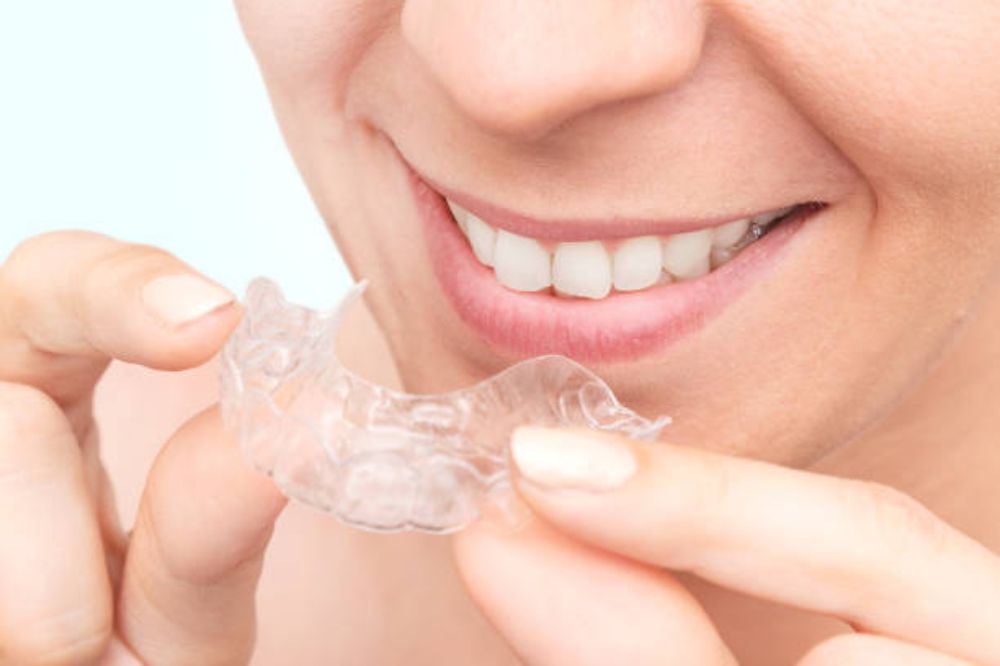
Custom mouthguardsare made to fit your teeth perfectly. They act as a cushion between your upper and lower teeth. This helps stop damage from grinding. Wearing one every night can protect your teeth and reduce jaw pain. Dentists create these mouthguards from a mold of your teeth, making sure it fits comfortably.
Corrective dental treatmentsfix problems that cause grinding. Crooked or missing teeth can make grinding worse. Treatments like braces or crowns can help align your teeth properly. This reduces stress on your jaw and lessens grinding. Talk to your dentist about which treatment suits you best.
When To See A Professional
Persistent teeth grinding can cause pain in your jaw and headaches. If these symptoms last for weeks, it is time to see a professional. Severe tooth damage like cracks or worn enamel needs urgent care to prevent more harm.
Consulting a sleep specialist helps identify if sleep disorders trigger grinding. They can suggest tests or treatments to improve your sleep quality and reduce grinding.
- Persistent jaw pain or headaches
- Visible cracks or wear on teeth
- Sleep disturbances or snoring
- Difficulty opening or closing your mouth
Credit: www.walmart.ca

Credit: www.amazon.ca
Frequently Asked Questions
What Causes Teeth Grinding At Night?
Teeth grinding, or bruxism, is often caused by stress, anxiety, or misaligned teeth. Sleep disorders and certain medications can also contribute. Identifying the cause helps in choosing effective prevention methods.
How Can A Mouthguard Prevent Teeth Grinding?
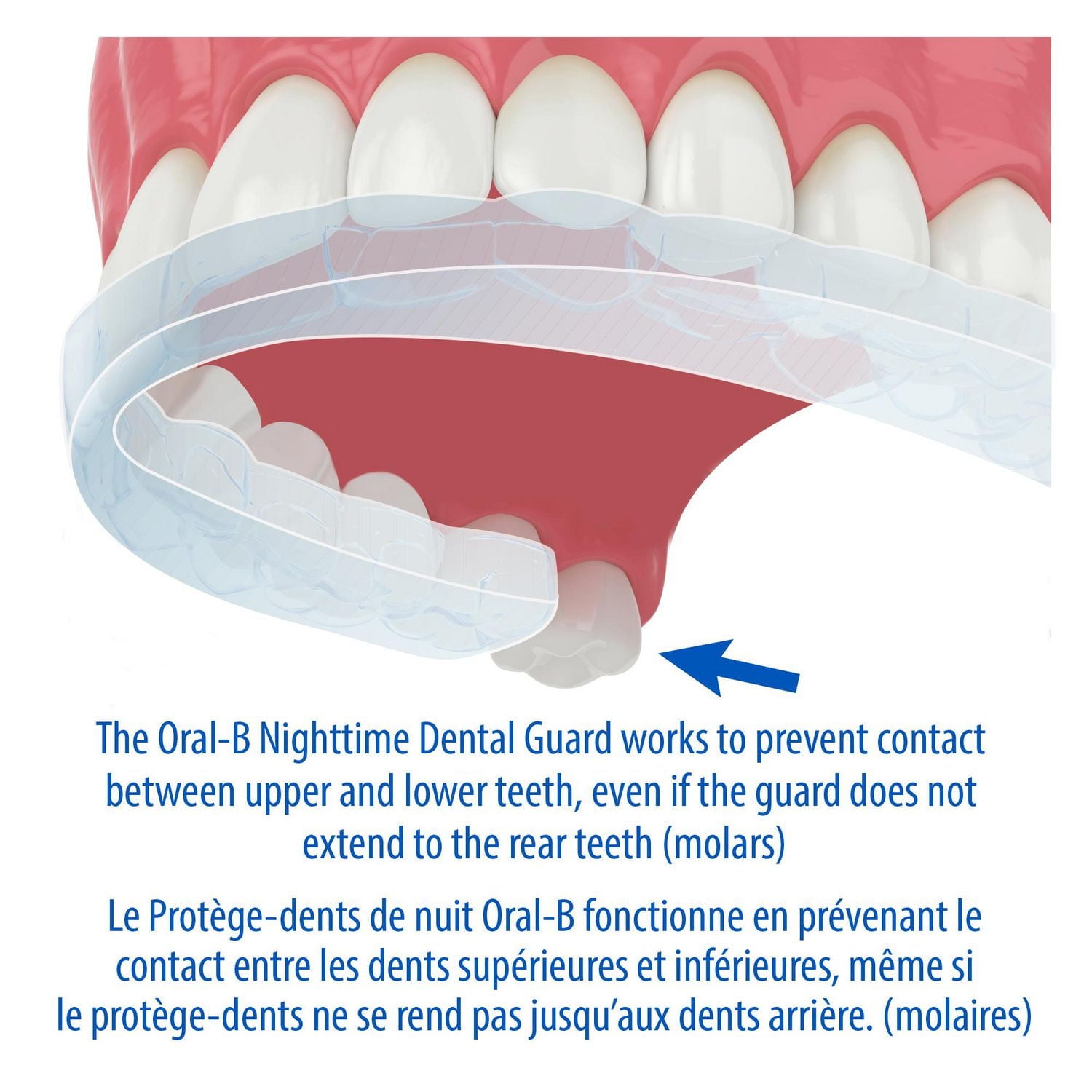
A mouthguard protects your teeth by creating a barrier between upper and lower teeth. It reduces damage and eases jaw muscle strain. Custom-fitted guards from dentists offer the best protection and comfort during sleep.
Can Lifestyle Changes Reduce Nighttime Teeth Grinding?
Yes, reducing stress through relaxation techniques and avoiding caffeine or alcohol at night can help. Maintaining a regular sleep schedule and practicing good sleep hygiene also lowers grinding frequency.
When Should I See A Dentist For Teeth Grinding?
If you experience jaw pain, headaches, or worn teeth, consult a dentist. Early diagnosis can prevent severe damage. Dentists can recommend treatments tailored to your specific needs.
Conclusion
Stopping teeth grinding at night starts with good habits. Try to relax before bed and avoid stress. Use a mouth guard if your dentist suggests it. Watch your caffeine and alcohol intake in the evening. Keep a regular sleep schedule for better rest.
Small changes can make a big difference. Protect your teeth and improve your sleep quality. Take control of grinding to feel healthier every day.