
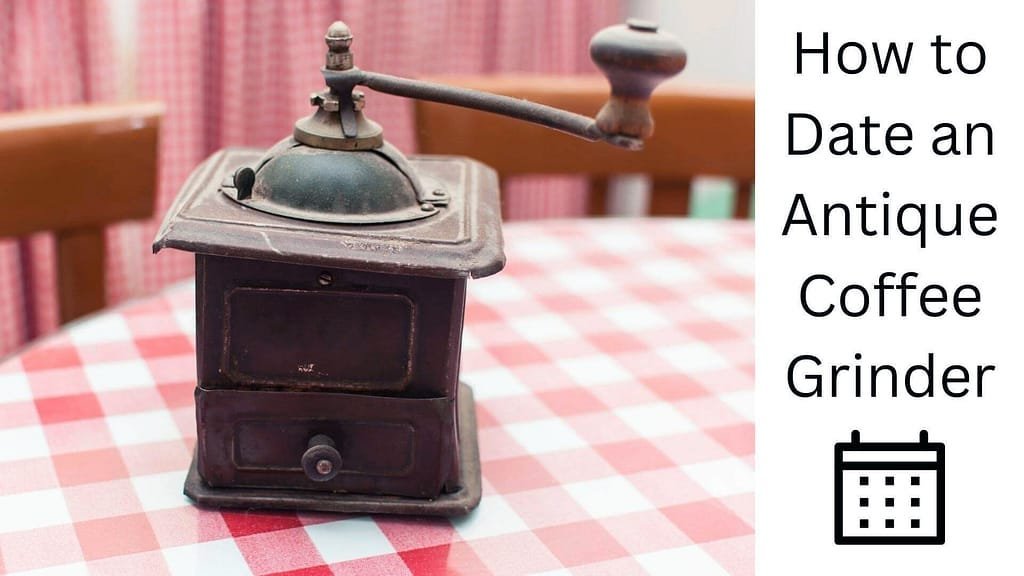
If you’ve ever held an antique coffee grinder, you might wonder about its true age and value. Dating one isn’t just for collectors—it helps you appreciate the story behind your unique piece.
But where do you start? How can you tell if your grinder is from the 1800s or just a few decades old? You’ll discover simple, practical steps to accurately date your antique coffee grinder. By the end, you’ll unlock secrets that bring your grinder’s history to life and make your collection even more special.
Ready to uncover the past hidden in your coffee grinder? Let’s dive in.

Credit: medium.com
Choosing The Right Grinder
Some popular brandsof antique coffee grinders include Peugeot, Zassenhaus, and Spong. These brands are known for their durability and classic design. Look for brand marks or logos usually found on the body or handle.
The materialsused affect the grinder’s value. Most antique grinders are made of wood, cast iron, or brass. Wood should be solid and free of cracks. Cast iron parts often have a patinathat shows age.
Authentic grinders have unique featuressuch as engraved logos, serial numbers, and specific handle shapes. Check for sturdy screws and smooth grinding mechanisms. Avoid pieces with modern screws or parts that seem out of place.
Credit: medium.com
Evaluating Condition
Check the grinder carefully for any rustor wear. Rust can damage the metal parts and reduce value. Look closely at the surfaceand corners. Light rust might clean easily, but deep rust is a problem.
Test all the moving parts. Turn the handle and see if the burrs or blades move smoothly. Parts that stick or feel rough may need repair. Missing or broken pieces lower the grinder’s worth.
Think about restoration needs. Some grinders only need cleaning, while others may need parts fixed or replaced. Restoration can improve function but might lower value if done poorly. Keep the grinder as originalas possible for best results.
Researching History
Tracing the manufacturer backgroundhelps understand the grinder’s age and origin. Research the company’s history online or in books. Many manufacturers have unique styles that changed over time.
Design elementsalso reveal clues. Look at the shape, materials, and decorations. Older grinders often use wood and cast iron. Newer ones might have more polished metal parts or plastic.
Serial numbers and markscan provide exact dates. Check for stamped or engraved numbers on the grinder. Use reference guides or collector websites to match these numbers with production years.
Testing Functionality
Test the grinding mechanismby turning the handle slowly. It should move smoothly without sticking. Listen for any unusual noises like grinding or rattling. Check if the burrs or blades are sharp and clean, as dull parts reduce performance.
Try adjusting the grind settings. Most antique grinders have a dial or screw to change the grind size. Make small adjustments and test the output. Fine, medium, and coarse grinds should be possible. Note any difficulty in changing settings or if it slips back.
- Make sure the grinder sits firmly on a flat surface.
- Check for loose parts or wobbly legs.
- Ensure the handle is tight and secure.
- Look for any sharp edges or broken parts that could cause injury.
Testing these points ensures your antique coffee grinder is both safe and functional.
Pricing And Value
Antique coffee grindersvary widely in price. Market prices depend on age, brand, condition,and rarity. Comparing prices across websites and auctions helps find a fair value. Look for similar modelsto get a price range.
Several factors affect the value of an antique coffee grinder:
- Condition:Rust, missing parts, or damage lowers value.
- Brand:Well-known makers usually sell for more.
- Age:Older grinders are often more valuable.
- Rarity:Unique designs or limited editions increase price.
Negotiating with sellers is key. Start by offering lessthan the asking price. Point out any flawsor repairs needed. Be politeand show genuine interest. Sellers may lower prices for quick sales.
Credit: medium.com
Maintenance Tips
Use a soft brush or cloth to remove coffee dust gently. Avoid water on wooden parts to stop damage. For metal, wipe with a damp cloth and dry quickly. Use mild soap only if needed.
Apply light oil to moving parts to keep them smooth. Use food-safe oils like mineral oil. Avoid over-lubrication; a little goes a long way. Wipe off any excess oil to prevent dirt build-up.
Keep the original patina; it shows the grinder’s history. Do not polish metal too hard or use harsh chemicals. Lightly dust and clean to preserve its natural look. Patina adds value and charm.
Where To Buy
Antique shopsand flea markets often have a rich selection of coffee grinders. These places allow you to see and touch the items before buying. Prices can vary, so take your time to compare. Chatting with shop owners can reveal the grinder’s history and care tips.
Online auctionsand marketplaces offer many choices. You can find rare models from different times and places. Read item descriptions carefully. Check seller ratings and reviews for trustworthiness. Bidding can be exciting but set a limit to avoid overspending.
Collector communities are great for advice and trades. Members often share photos and stories about their grinders. Joining forums or social media groups helps connect with experts. This can lead to finding hidden gems or repair tips.
Frequently Asked Questions
What Should I Look For In An Antique Coffee Grinder?
Look for solid materials like cast iron or wood, intact mechanisms, and minimal rust. Check maker’s marks for authenticity. Ensure the grinder operates smoothly without excessive wear or damage.
How Do I Clean An Antique Coffee Grinder Safely?
Use a soft brush to remove coffee residue and dust. Avoid water on wooden or metal parts to prevent rust or damage. Use mild soap only if necessary and dry thoroughly.
Can I Use An Antique Coffee Grinder Daily?
Yes, if it’s in good condition and properly maintained. Regular cleaning and occasional lubrication keep it functional. However, handle with care to preserve its antique value.
How Do I Restore An Old Coffee Grinder?
Disassemble the grinder carefully, clean all parts, remove rust gently, and oil moving components. Replace missing screws or handles with period-appropriate parts. Avoid harsh chemicals to maintain original finishes.
Conclusion
Dating an antique coffee grinder takes time and care. Check for maker’s marks and design details first. Study the materials and how they were made. Compare with known examples from different periods. Small changes in shape or parts tell a lot.
Trust your eyes and research well. This helps find the grinder’s true age. Enjoy the process of learning and discovering. Antique coffee grinders carry stories from the past. Each one is a small piece of history. Keep exploring, and your knowledge will grow.