
Are you waking up with a sore jaw or headaches that just won’t go away? You might be grinding your teeth without even realizing it.
Teeth grinding, also known as bruxism, can happen during the day or while you sleep, and it can cause serious damage if left unchecked. But how can you tell if you’re one of the millions of people who grind their teeth?
Keep reading, because understanding the signs early could save your smile and your comfort. This guide will help you spot the clues your body is giving you right now.
Common Symptoms
Jaw pain and sorenessis a key sign of teeth grinding. The muscles around the jaw can feel tight or tired. Some people notice discomfort when they wake up. This pain might get worse after chewing.
Tooth sensitivitycan happen from constant grinding. Teeth may feel sharp or painful when eating hot, cold, or sweet foods. This happens because the protective layer of teeth wears down.
Headaches and earachesare common symptoms too. Grinding causes tension in the face and head. This tension can lead to frequent headaches or pain near the ears. These aches often start in the morning.

Credit: www.smiledentalturkey.com
Physical Signs On Teeth
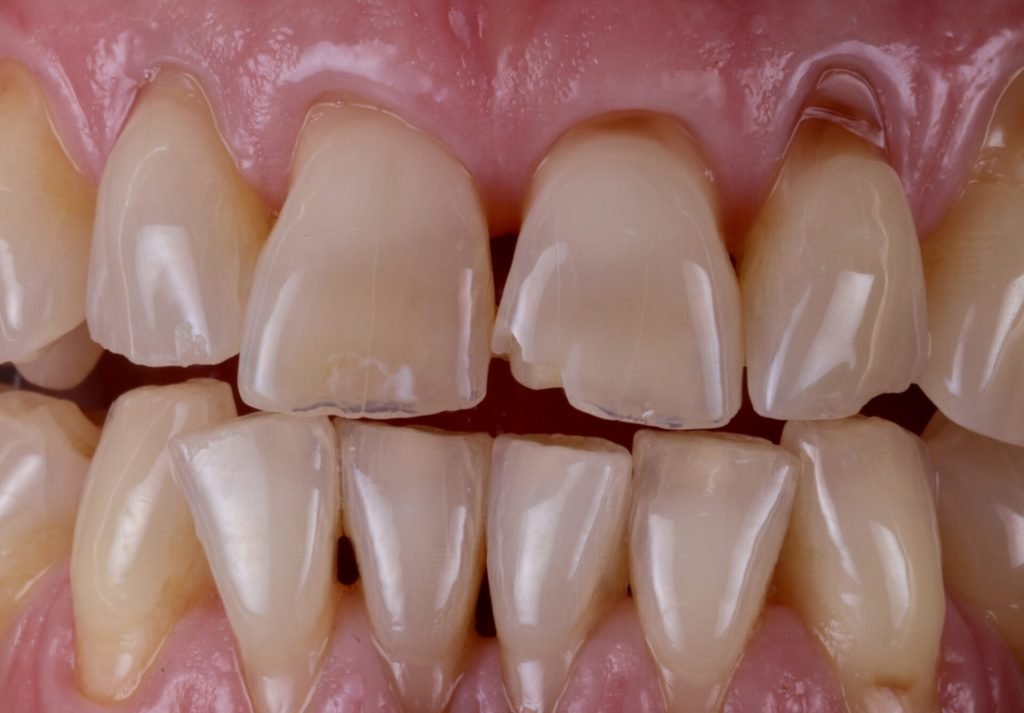
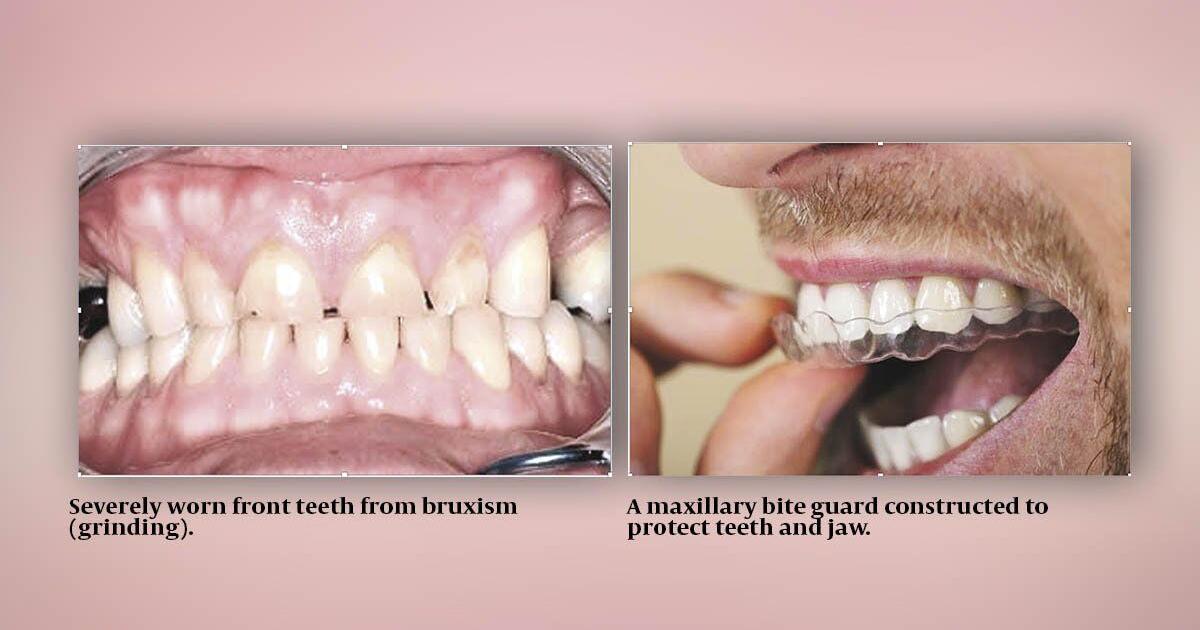
Worn or flattened teethshow signs of constant rubbing. This happens when teeth rub against each other too hard. Over time, teeth lose their natural shape and become flat. This damage can cause pain or sensitivity.
Chipped or cracked teethoccur from strong grinding. Tiny cracks or chips may appear on the edges. These breaks can lead to discomfort and need dental care.
Indentations on the tongueappear as small marks or grooves. These happen when the tongue presses against the teeth hard. It can feel rough or sore in the mouth.
Behavioral Clues
Hearing grinding sounds during sleepis a clear sign of teeth grinding. These noises can disturb others in the room. They often sound like a scraping or clickingnoise. Sometimes, people do not notice these sounds themselves.
Stress and anxiety levelsrise, teeth grinding may increase. Many people clench their jaws when feeling tense or worried. This tension can happen during the day or night. Managing stress can help reduce grinding episodes.
Daytime teeth clenchingis another clue. Some people press their teeth together without realizing it. This habit can lead to jaw pain or headaches. Watching for this behavior helps in identifying the problem early.
When To See A Dentist
A professional examinationhelps spot signs of teeth grinding. Dentists check for worn tooth surfaces, jaw pain, and muscle tightness. They also ask about headaches and sleep quality.
| Diagnostic Tests | Purpose |
|---|---|
| Dental X-rays | Show tooth damage or changes in jawbone |
| Jaw muscle examination | Check for muscle soreness or tightness |
| Sleep study | Detect grinding during sleep |
Treatment options include night guardsto protect teeth and reduce grinding. Stress management and relaxing jaw muscles can help, too. In some cases, dentists suggest exercises or physical therapy.
Preventive Measures
Stress managementhelps reduce teeth grinding. Try deep breathing and meditation. These calm your mind and relax your jaw muscles. Regular exercise also lowers stress levels. Avoid caffeine and alcohol, as they can increase grinding at night.
Using mouthguardsor splints protects teeth during sleep. They prevent damage and ease jaw pain. Custom-made guards from a dentist fit better and work best. Over-the-counter options are cheaper but less effective.
Simple lifestyle changescan also help. Maintain a regular sleep schedule. Avoid chewing gum or biting nails, which strain your jaw. Eating soft foods reduces pressure on teeth. Stay hydrated and take breaks to relax your jaw during the day.

Credit: jsdentallab.com
Credit: www.thenassauguardian.com
Frequently Asked Questions
What Are Common Signs Of Teeth Grinding?
Common signs include jaw pain, headaches, worn tooth enamel, and increased tooth sensitivity. You may notice clicking sounds or your partner may hear grinding at night.
How Can I Tell If I Grind Teeth At Night?
Look for morning jaw soreness, tooth pain, or damaged teeth. A dentist can diagnose through examination or recommend a sleep study if needed.
Can Stress Cause Teeth Grinding?
Yes, stress and anxiety are major causes of teeth grinding. Managing stress through relaxation techniques can reduce grinding episodes.
Is Teeth Grinding Harmful To My Teeth?
Yes, chronic grinding can lead to tooth damage, increased sensitivity, and jaw disorders. Early detection helps prevent serious dental problems.
Conclusion
Grinding your teeth can cause pain and damage over time. Notice any jaw soreness or worn teeth? These signs matter. Acting early helps protect your smile and health. Talk to a dentist for advice and treatment options. Taking steps now avoids bigger problems later.
Your teeth deserve care and attention every day. Stay aware and keep your mouth healthy.