
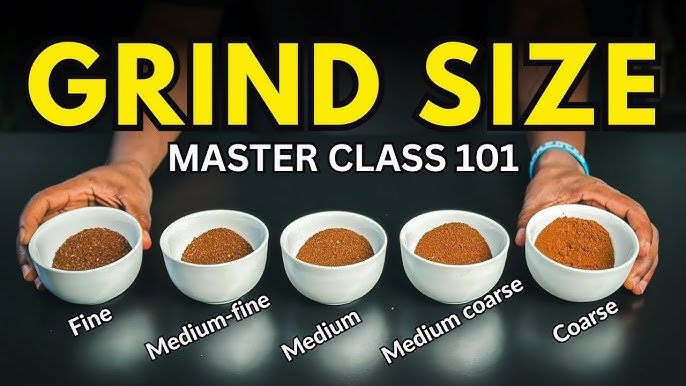
If you want the perfect espresso, the grind of your coffee beans is everything. Too coarse, and your espresso will taste weak and watery.
Too fine, and it will be bitter and over-extracted. Getting the grind just right unlocks the rich flavors and smooth crema that make espresso so special. You’ll discover exactly how fine to grind your coffee beans to brew a cup that satisfies every time.
Keep reading, and take your espresso game to the next level.
Grind Size And Espresso Quality
The grind sizeof coffee beans greatly affects the espresso quality. A finer grind means more surface area for water to touch, which leads to stronger flavor. Too fine, and the espresso can taste bitter or over-extracted. Too coarse, and the coffee may taste weak or sour.
Consistencyin grind size helps with even extraction. Uneven grinds cause water to flow unevenly. This results in some parts over-extracted and others under-extracted, harming taste.
| Grind Size | Use | Effect on Espresso |
|---|---|---|
| Very Fine | Espresso | Rich flavor but risk of bitterness |
| Fine | Espresso | Balanced taste and good crema |
| Medium | Drip Coffee | Too coarse for espresso, weak taste |

Credit: thebasicbarista.com
Choosing The Right Grinder
Burr grindersoffer a more consistent grind than blade grinders. Blade grinders chop beans unevenly, which affects espresso taste. Burr grinders crush beans between two surfaces for uniform size. This uniformity is key for rich espresso flavor.
Look for grinders with adjustable grind settings. This lets you control the grind size, from coarse to very fine. Fine tuning helps match the grind to your espresso machine and beans. Many burr grinders provide easy and precise adjustments.
Regular cleaningkeeps grinders working well. Coffee oils and particles can build up inside. Clean burrs or blades often to avoid stale flavors. Use a brush or soft cloth. Follow manufacturer instructions for deep cleaning.
Adjusting Grind For Different Espresso Machines
Manual espresso machines need a finer grindto control extraction time. This helps get rich flavor and thick crema.
Automatic machines work well with a consistent grind, but it can be slightly coarser. They adjust pressure and time for balance.
| Factor | Effect on Grind |
|---|---|
| Pressure | Higher pressure needs a finer grind to avoid over-extraction |
| Temperature | Hotter water may require a coarser grind to prevent bitterness |
Different espresso machines have unique settings. Adjust grind size to suit each one.
- Test grind size for your specific machine model.
- Watch shot time; adjust grind coarser or finer accordingly.
- Keep notes on what works best for future use.

Credit: pesado585.com
Testing And Tuning Your Grind
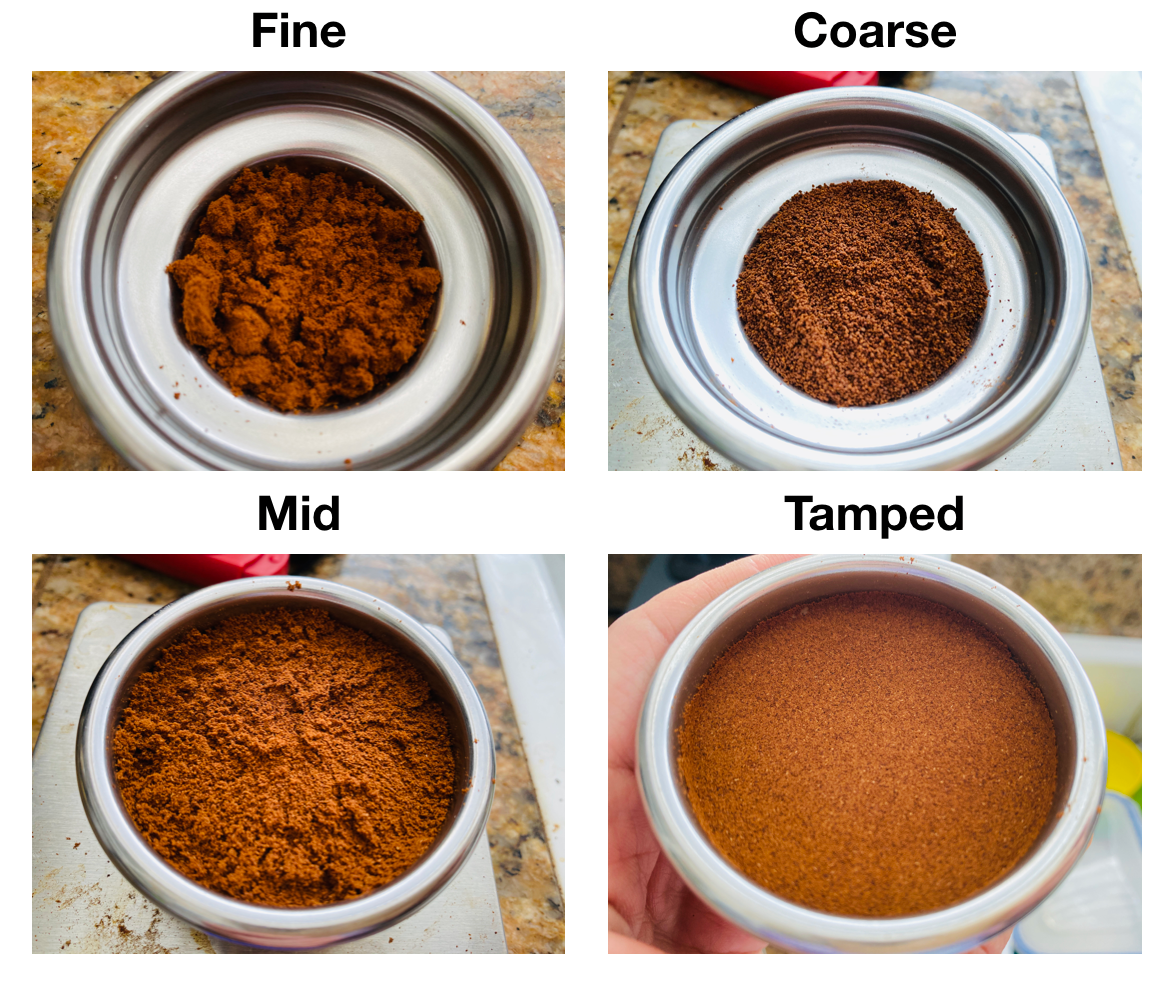
Shot timing and flow rate are key to espresso quality. A typical shot takes about 25 to 30 seconds. Flow should be steady, not too fast or slow. If the shot runs too fast, the grind may be too coarse. If it drips slowly, the grind might be too fine. Adjust grind size bit by bit until timing and flow feel right.
Taste testing helps find the perfect grind. A good espresso tastes balanced, smooth, and rich. Bitter or sour flavors mean the grind needs tuning. Bitter can mean over-extraction from too fine a grind. Sour might mean under-extraction from too coarse a grind. Taste often to guide your changes.
Troubleshooting common issues:
- Shot pulls too quickly:Grind finer to slow water flow.
- Shot drips very slowly:Grind coarser for faster flow.
- Espresso tastes weak:Try finer grind or increase dose.
- Espresso is bitter:Coarser grind or shorter shot time.
- Flow is uneven:Check tamp pressure and distribution.
Storing Coffee Beans For Freshness
Freshnessis key to great espresso. Store coffee beans in an airtight container. Keep the container in a cool, dark place away from direct sunlight. Avoid storing beans in the fridge or freezer as moisture can damage them.
Moisture and heat cause beans to lose flavor quickly. Warmth speeds up the loss of oils that give coffee its taste. Moisture can make beans stale or moldy. Keep beans dry and cool for best results.
| Storage Tip | Why It Matters |
|---|---|
| Airtight container | Prevents air from making beans stale |
| Cool, dark place | Protects beans from heat and light |
| Avoid fridge/freezer | Stops moisture from damaging beans |
Credit: medium.com
Frequently Asked Questions
What Grind Size Is Best For Espresso?
The best grind size for espresso is fine, similar to table salt. It allows optimal extraction and rich flavor. Too coarse results in weak coffee; too fine causes over-extraction and bitterness.
How Does Grind Size Affect Espresso Taste?
Grind size impacts extraction rate and flavor balance. Fine grinds produce a strong, concentrated shot. Coarser grinds yield under-extracted, sour espresso. Proper grind ensures smooth, balanced taste with good crema.
Can I Use Pre-ground Coffee For Espresso?
Pre-ground coffee often isn’t fine enough for espresso machines. Freshly ground beans ensure better flavor and crema. For best results, grind beans just before brewing espresso.
Why Is Consistent Grind Size Important For Espresso?
Consistent grind size ensures even extraction and balanced flavor. Uneven grinds cause under or over-extraction, leading to bitter or sour espresso. Using quality grinders helps maintain uniform particle size.
Conclusion
Grinding coffee beans just right makes espresso taste its best. Too fine, and the coffee will be bitter. Too coarse, and it will taste weak. Small changes in grind size can make a big difference. Experiment a little to find what you like.
Freshly ground beans always improve flavor. Keep your grinder clean for consistent results. Enjoy the process, and sip your perfect espresso every time. Simple steps lead to great coffee moments.