
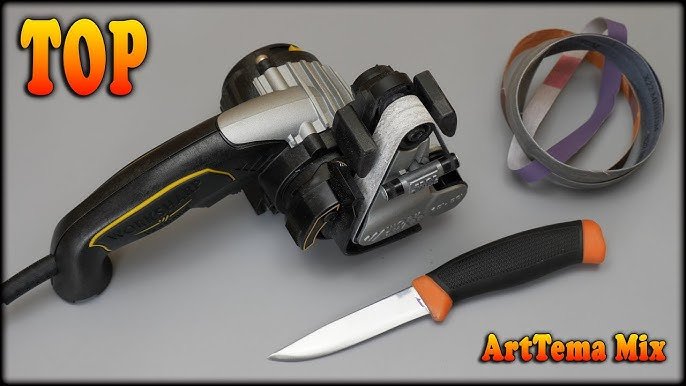
If you own a knife with a Scandi grind, you know how important it is to keep the edge razor-sharp. But sharpening this type of blade isn’t like sharpening other knives.
If you get it wrong, you risk dulling your knife or damaging the grind. In this guide, you’ll discover simple, clear steps to sharpen your Scandi grind perfectly every time. Whether you’re new to knife care or want to improve your skills, this article will give you the confidence and know-how to keep your blade in top shape.
Ready to make your knife sharper than ever? Let’s dive in.

Credit: www.youtube.com
Tools Needed
A sharpening stone or diamond file works best for Scandi grind blades. A leather strop helps polish and finish the edge smoothly. Basic tools ensure a sharp, clean blade every time.
Choosing The Right Stones
Sharp stonesare key for a good Scandi grind edge. Use stones with a grit between 400 and 1000for shaping. For polishing, pick stones with 1000 to 6000 grit. Water stones or oil stones both work well. Water stones are easier to clean and faster. Oil stones last longer but need oil for use. Always choose stones that fit your knife size.
Additional Sharpening Accessories
- Leather stropfor polishing and removing burrs.
- Angle guidehelps keep the right sharpening angle.
- Clamps or holderskeep the knife steady.
- Cleaning clothto wipe stones and knife.
Preparing Your Knife
Cleaning the blade is important before sharpening. Dirt and oil can block the sharpening stone. Use warm water and mild soap to wash the blade. Dry it well with a soft cloth to stop rust.
Securing the knife keeps it safe and steady. Hold the handle firmly or use a clamp on the table. This prevents slips that can cause injury or damage to the blade.
Sharpening Technique
Maintaining the Scandi angleis key for a sharp edge. This angle is usually between 30 to 35 degrees. Use a fixed angle guideor practice freehand to keep it steady. Consistency helps keep the edge sharp and strong. Avoid changing the angle during sharpening.
Use long, smooth strokesalong the blade. Stroke from the base to the tip. Keep pressure even to avoid uneven edges. Sharpen both sides equally for balance. Repeat strokes until the edge feels sharp.
- Use a coarse stonefor dull knives.
- Switch to a fine stonefor finishing.
- Always keep the blade wet to reduce heat.
- Use light pressureto prevent damage.
Checking Sharpness
Check sharpness by carefully slicing through paper or soft vegetables. A clean cut shows a well-sharpened Scandi grind blade. Dull edges feel rough and tear instead of slice smoothly.
Visual Inspection
Look closely at the edge of the blade. A sharp Scandi grind has a clean, straight line without chips or dents. Lightly tilt the blade to see if it reflects light. A dull edge will reflect more light, showing rounded spots. A sharp edge will appear dark and thin. Check for any burrs or rough areas along the edge. These need to be removed for a smooth cut.
Practical Tests
- Try slicing a piece of paper. A sharp blade cuts smoothly without tearing.
- Gently shave a small patch of arm hair. A sharp edge will cut hair easily.
- Use the blade to carve a small wood piece. Sharp edges make clean shavings.
- Press the blade lightly on your thumbnail. Sharp blades feel smooth, not sticky.
Finishing Touches
Removing burrs is key to a clean, sharp edge. After sharpening, tiny metal bits stick out from the blade. These burrs can make the knife less sharp and rough. Gently run the blade edge along a leather strop or use a fine sharpening stone to remove them. This step smooths the edge and improves cutting performance.
Polishing the edge gives a nice, smooth finish. Use a very fine abrasive or polishing compound. Rub the blade carefully on a leather strop or polishing cloth. This makes the edge shine and cuts better. Polishing also helps protect the blade from rust and wear.
Common Mistakes
Overgrindingwears down the blade too much. This can make the edge weak and dull quickly. It is important to keep the sharpening light and steady. Pressing too hard or grinding for too long can ruin the knife’s shape and sharpness.
Incorrect Angle Handlingcauses uneven edges. Scandi grind needs a precise angle, usually around 20 degrees. Holding the blade at the wrong angle can create bumps or a flat edge. This makes cutting harder and can damage the blade over time.
Maintenance Tips
Regular honingkeeps the Scandi grind sharp for longer. Use a fine sharpening stone or leather strop. Gently run the blade along the edge at the correct angle. This removes small burrs and maintains the blade’s sharpness. Do this often, especially after heavy use.
Proper storageprotects the blade from damage. Store the knife in a sheath or knife block to avoid dulling. Keep the blade dry to prevent rust. Avoid tossing the knife in drawers where it can hit other tools. Good storage helps keep your Scandi grind sharp and ready.

Credit: tsprof.us

Credit: www.youtube.com
Frequently Asked Questions
What Is A Scandi Grind Knife?
A Scandi grind knife has a single bevel with a wide flat bevel. It offers precise control and easy sharpening. This design excels in woodworking and outdoor tasks. The edge is sharp and durable, perfect for detailed cuts and carving.
How Do I Sharpen A Scandi Grind Knife?
Use a flat stone or diamond stone for sharpening. Hold the bevel flat against the stone at a consistent angle. Move the blade in smooth strokes along the stone. Sharpen both sides evenly until the edge is razor-sharp.
Can I Use A Sharpening Rod For Scandi Grind?
Sharpening rods are not ideal for Scandi grind knives. They lack a flat surface needed for the bevel. Using a flat stone ensures proper edge angle and better sharpness. Always prefer flat sharpening stones for best results.
How Often Should I Sharpen A Scandi Grind Knife?
Sharpen your Scandi grind knife when it feels dull or resists cutting. Frequent use may require sharpening every few weeks. Regular honing can extend edge life between sharpenings. Proper maintenance keeps the blade sharp and effective.
Conclusion
Sharpening a Scandi grind keeps your knife ready and sharp. Use the right angle and steady strokes. Take your time and check the edge often. A sharp blade cuts better and feels safer. Practice regularly to improve your sharpening skill.
Small efforts bring big results. Keep your tools clean and dry after sharpening. Your knife will serve you longer and work well. Simple steps make a big difference in knife care. Try these tips and enjoy a sharp, smooth edge every time.