
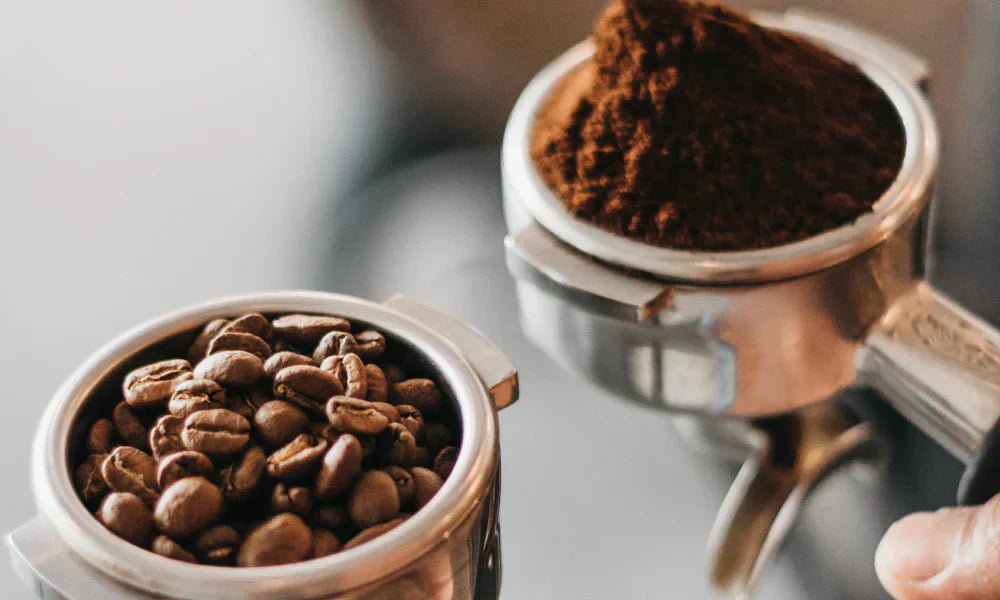
If you want the perfect espresso, it all starts with how you grind your coffee beans. The right grind can unlock rich flavors and create that smooth, bold taste you crave.
But getting it just right isn’t always easy. Are your shots coming out too bitter or too weak? It might be your grind size. You’ll discover simple, effective tips to grind your coffee beans like a pro. By the end, you’ll know exactly how to make every espresso shot your best one yet.
Keep reading and transform your coffee routine today!
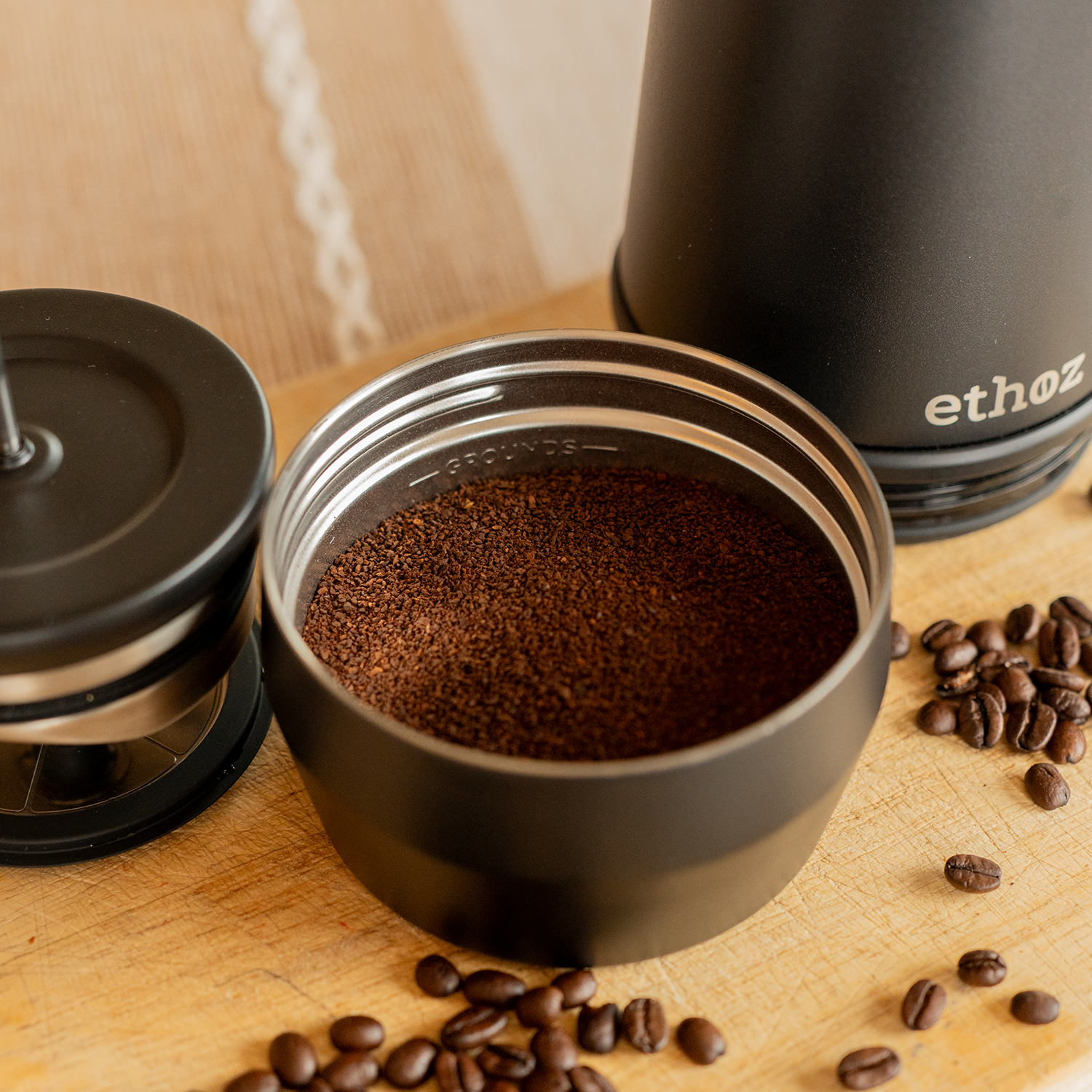
Credit: planetarydesign.com
Choosing The Right Coffee Beans
Espressoneeds specific coffee beansto taste great. Arabica beans offer a smooth, rich flavor. Robusta beans have a stronger, bitter tasteand more caffeine.
Freshnessis key. Use beans roasted within the last two weeks. Old beans lose flavor and aroma. Dark roasts suit espresso well. They give a bold and intensetaste.
Selecting The Best Grinder
Burr grinderscrush beans between two abrasive surfaces. They create a uniform grind size, essential for espresso. Burrs generate less heat, keeping coffee flavors intact.
Blade grinderschop beans unevenly with spinning blades. This leads to inconsistent grind sizesand can cause bitter or weak espresso. Blade grinders are usually less expensivebut less precise.
| Burr Grinders | Blade Grinders | |
|---|---|---|
| Grind Quality | Consistent and even | Uneven and inconsistent |
| Heat Generation | Low heat, preserves flavor | High heat, may affect taste |
| Price | Higher cost | Lower cost |
Manual grinders require hand power. They are quietand portable. Great for small amounts or travel.
Electric grinders work fast and need little effort. They are good for daily use and larger batches. But they can be noisy.
Grind Size For Espresso
Grinding espresso coffee requires a fine grind size. This helps water pass through the coffee quickly and extracts rich flavors. A grind too coarse makes the espresso weak and watery.
Fine grindis important to create the right pressure in the espresso machine. It allows for a smooth and strong shot. The texture should feel like powdered sugar or salt.
Adjusting grind consistency is key. If espresso tastes bitter, the grind may be too fine. If it tastes sour or weak, the grind might be too coarse. Small changes can make a big difference.
Grinding Techniques
Measuring coffee beansprecisely is key for great espresso. Use a kitchen scale for accuracy. A typical espresso shot needs about 18-20 gramsof coffee. Too much or too little affects taste and strength.
Grinding coffee in small batcheskeeps beans fresh. Grind only what you need for one or two shots. Coffee starts to lose flavor quickly after grinding. Small batches help preserve the rich taste and aroma.
Common Grinding Mistakes
Overgrindingcoffee beans makes the powder too fine. This can cause over-extraction, making espresso taste bitter and burnt. On the other hand, undergrindingproduces coarse particles. This results in weak coffee that lacks flavor and body.
Inconsistent grind sizemeans the coffee grounds vary too much in size. Some particles are fine, others are coarse. This causes uneven extraction. Some parts of the coffee get over-extracted, while others are under-extracted. The taste becomes sour or bitter, with less balance and smoothness.
- Use a good burr grinder for even size.
- Avoid blade grinders that make uneven particles.
- Adjust grind size slowly to find the best flavor.
- Check grind texture regularly during preparation.
Storing Ground Coffee
To keep coffee fresh, store ground coffee in an airtight container.
Keep it away from moisture and heat. Moisture can spoil the flavor quickly. Heat also makes coffee lose its taste.
- Use a cool, dark place like a pantry or cabinet.
- Do not store coffee near the stove or oven.
- Avoid opening the container often to keep air out.
- Use small containers if you buy coffee in bulk.
Troubleshooting Espresso Issues
Adjusting the grind sizecan change espresso taste a lot. A fine grindmakes coffee bitter because it extracts too much. A coarse grindmakes coffee weak and sour because it extracts too little.
Try changing grind size by small steps. Taste the espresso after each change. This helps find the right balancebetween bitter and sour.
Extraction problemshappen when water flows too fast or too slow. If espresso pours too quickly, grind finer. If it pours too slowly or drips, grind coarser.
Check the espresso shot time. It should be about 25 to 30 seconds. If shorter, grind finer. If longer, grind coarser.
| Problem | Cause | Fix |
|---|---|---|
| Bitter taste | Grind too fine, over-extraction | Grind coarser slightly |
| Sour taste | Grind too coarse, under-extraction | Grind finer slightly |
| Too fast shot | Grind too coarse | Grind finer |
| Too slow shot | Grind too fine | Grind coarser |

Credit: angelinos.com

Credit: pesado585.com
Frequently Asked Questions
What Grind Size Is Best For Espresso Coffee?
The best grind size for espresso is fine, resembling table salt. This size allows optimal extraction within 25-30 seconds, ensuring rich flavor and crema.
How Does Grind Size Affect Espresso Taste?
Grind size controls extraction rate. Too coarse results in weak, under-extracted espresso. Too fine leads to over-extraction and bitterness. Correct grind balances flavor and strength.
Can I Use A Blade Grinder For Espresso?
Blade grinders are not ideal for espresso. They produce uneven grind sizes, causing inconsistent extraction. Burr grinders are recommended for uniform, precise espresso grounds.
How Often Should I Grind Coffee Beans For Espresso?
Grind coffee beans fresh before each shot. Grinding right before brewing preserves aroma and flavor, ensuring the best espresso experience every time.
Conclusion
Grinding coffee beans for espresso requires the right grind size and consistency. Use a burr grinder for even results. Adjust the grind based on your espresso machine and taste. Freshly ground beans make a big difference in flavor. Keep your grinder clean for the best performance.
Practice and patience will help you find your perfect grind. Enjoy making espresso at home with confidence and care.