

Do you wake up with a sore jaw or headaches and wonder why? You might be grinding your teeth while sleeping, a common problem that can quietly damage your smile and disrupt your rest.
But don’t worry—there are simple, effective ways to stop this harmful habit. You’ll discover easy steps you can take tonight to protect your teeth and enjoy a peaceful, pain-free sleep. Keep reading to find out how to finally put an end to teeth grinding for good.
Causes Of Teeth Grinding
Stress and anxietyoften cause teeth grinding during sleep. The mind stays tense, leading to jaw clenching. This tension can happen after a hard day or ongoing worry.
Sleep disorders like sleep apneaand snoringdisturb normal breathing. These problems can trigger grinding as the body reacts to stress. Poor sleep quality may increase jaw movements.
Dental issuessuch as crooked teeth or missing teeth can cause misalignment. This misalignment makes the jaw work harder at night. It leads to more frequent grinding or clenching.
- Lifestyle factorslike caffeine or alcohol intake can raise the chance of grinding.
- Smoking increases muscle tension and irritation in the mouth.
- Chewing gum or biting nails adds stress to jaw muscles.
Credit: medium.com
Signs And Symptoms
Jaw pain and sorenessoften happen after sleeping. It may feel like your jaw is tired or stiff. This pain can make it hard to open your mouth fully. The soreness might last for a few hours or all day.
Tooth damageis common with grinding. Teeth may look flat, chipped, or cracked. This damage can cause tooth sensitivity or pain when eating hot or cold foods.
- Headachescan start in the morning. These headaches may feel like pressure or tightness around your temples.
- Sleep disruptionshappen because grinding makes noise or discomfort. This can wake you up or make your sleep less restful.
Lifestyle Changes To Reduce Grinding
Stressoften causes teeth grinding during sleep. Deep breathing, meditation, and gentle exercises help calm the mind. Taking a few minutes to relax before bed can lower tension. Avoiding stressful talks or screens at night also aids relaxation.
Limiting stimulantslike caffeine and nicotine is key. These substances can make the body tense and restless. Try to avoid coffee, tea, chocolate, and cigarettes in the evening. Switching to water or herbal tea can improve sleep quality.
Keeping a consistent sleep routinetrains the body to rest better. Going to bed and waking up at the same time every day helps. Creating a calm environment, such as dim lights and soft sounds, supports deep sleep. A regular routine reduces the chance of grinding.

Credit: www.amazon.ca
Dental Solutions
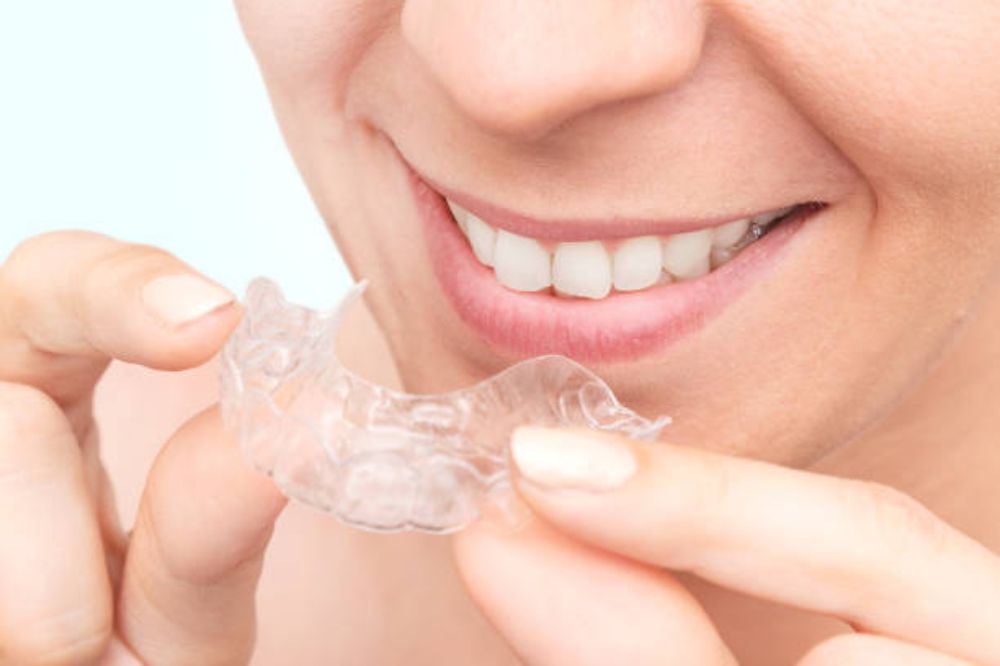
Mouthguardsand splintsprotect teeth from grinding. They create a barrier between upper and lower teeth. This helps reduce pressureand wearon teeth. Custom-made guards fit better and feel more comfortable. Over-the-counter versions are less expensive but may not fit well. Wearing them every night can prevent damage and pain.
Corrective dental treatmentsfix the root cause of grinding. Crooked or missing teeth can cause misaligned bites. Braces or dental restorations can help correct these problems. This reduces the need to grind teeth at night. Dentists can recommend the best treatment based on individual needs.
When To Seek Professional Help
Severe teeth grindingcan cause pain, damage, and sleep problems. Signs include:
- Waking with a sore jaw or headache
- Teeth that look worn down or cracked
- Loud grinding noises during sleep noticed by a partner
- Difficulty opening or closing the mouth
These signs mean it’s time to see a professional. Dentists or sleep specialistscan help. Dentists check your teeth and jaw health. Sleep specialists study your sleep patterns and can find hidden issues.
Choosing the right expert depends on your symptoms. For tooth damage or jaw pain, visit a dentist. For sleep problems or loud grinding, see a sleep specialist. Early help can stop damage and improve sleep quality.
Credit: www.atlasdentalcentre.ca
Frequently Asked Questions
What Causes Teeth Grinding During Sleep?
Teeth grinding, or bruxism, is caused by stress, anxiety, sleep disorders, or misaligned teeth. It often occurs unconsciously during deep sleep.
How Can I Stop Grinding My Teeth At Night?
Use a custom night guard, reduce stress, avoid caffeine, and maintain good sleep habits to prevent grinding.
Are There Natural Remedies For Teeth Grinding?
Yes, relaxation techniques, warm compresses, and jaw exercises can reduce muscle tension and help prevent grinding naturally.
When Should I See A Dentist For Teeth Grinding?
See a dentist if you experience jaw pain, headaches, or tooth damage due to grinding during sleep.
Conclusion
Preventing teeth grinding during sleep helps protect your teeth and jaw. Simple habits like reducing stress and avoiding caffeine can make a big difference. Wearing a mouthguard might also keep your teeth safe at night. Pay attention to your sleep environment and try to relax before bed.
Small changes can lead to better sleep and less grinding. Taking care of your teeth today prevents problems tomorrow. Start with easy steps and see what works best for you. Healthy habits create a peaceful night’s rest.