
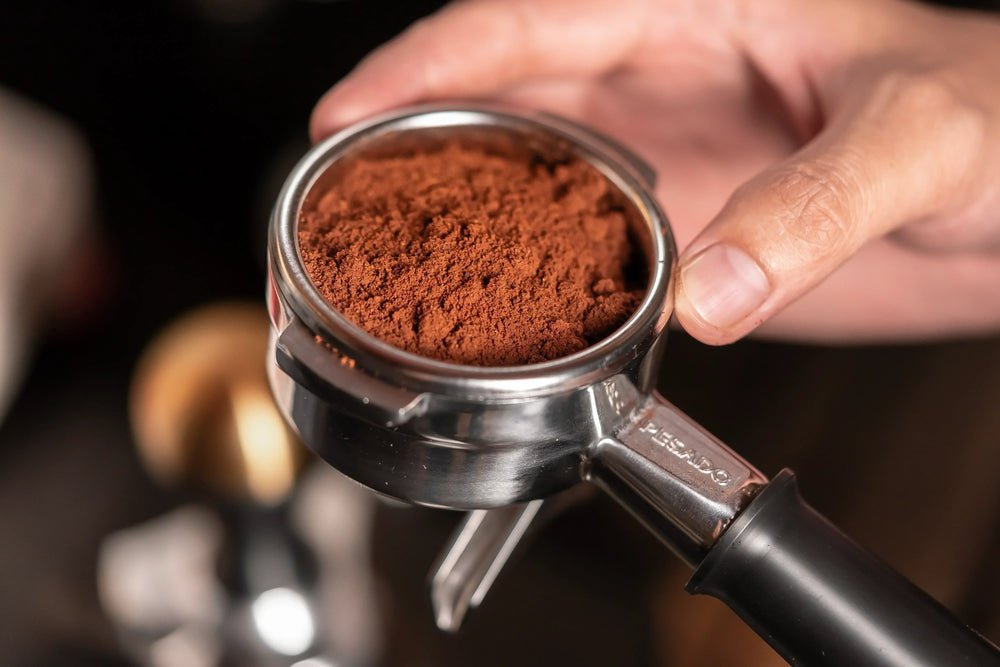
If you love espresso, you know that grinding your beans just right can make all the difference. But how much should you grind to get that perfect shot?
Too little, and your espresso might taste weak. Too much, and it could turn bitter or bitter. Finding the sweet spot isn’t always easy, but it’s key to unlocking rich, bold flavors every time you brew. You’ll discover exactly how much to grind your espresso beans for the best taste, so you can enjoy café-quality coffee right at home.
Keep reading—you’re about to take your espresso game to the next level.
Grind Size Basics
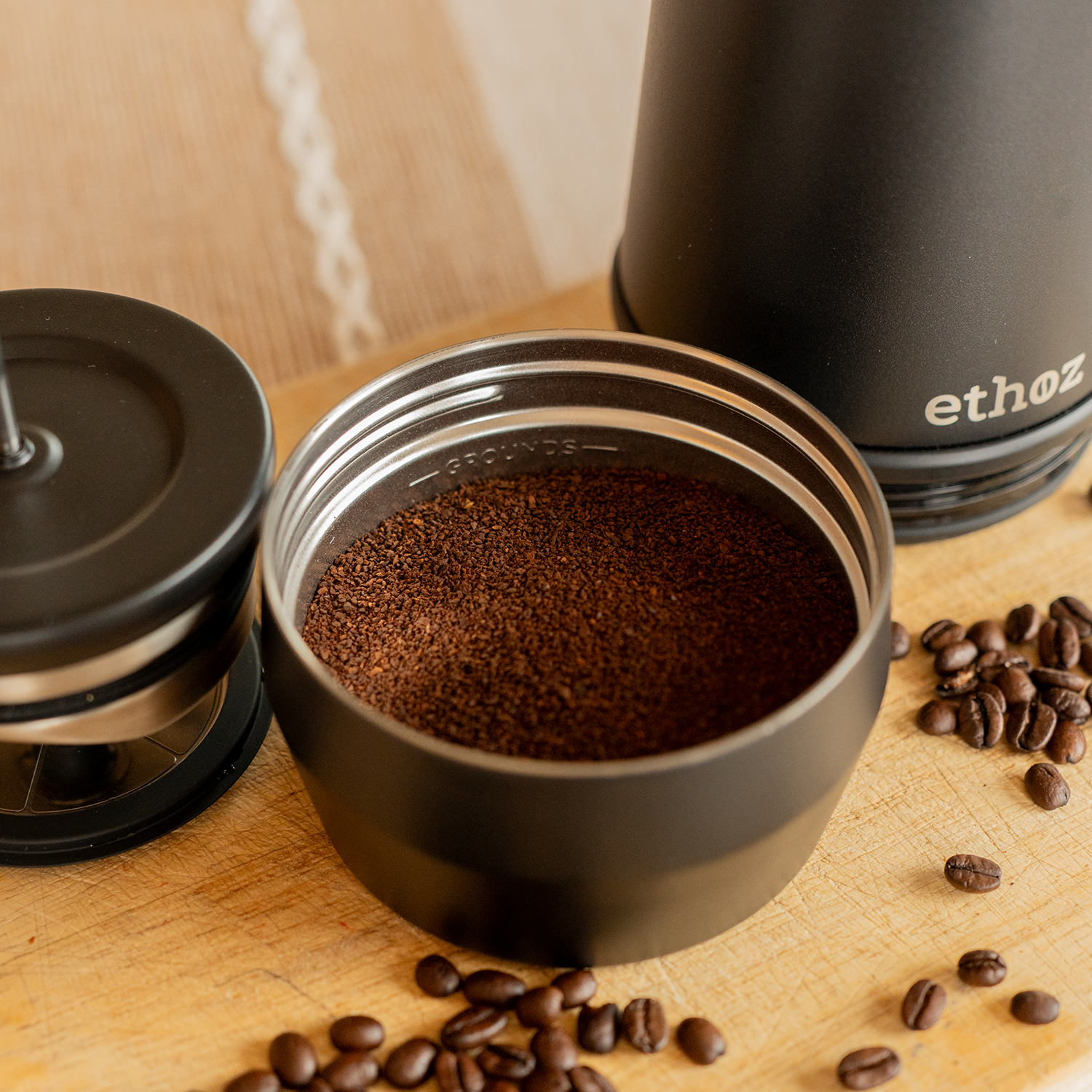
Coarse grindsare large and chunky, like sea salt. Fine grindslook like powder, similar to flour. The size affects how water flows through coffee.
Fine grindsgive more surface area. Water extracts flavors faster but can cause bitter taste if overdone. Coarse grindslet water flow slower, making the taste lighter but less bitter.
Brew time changes with grind size. Finer grinds need less time, usually 20-30 seconds for espresso. Coarser grinds take longer, but are rare for espresso. Too coarse means weak coffee.
Credit: planetarydesign.com
Finding The Right Grind For Espresso
The standard espresso grindis very fine, almost like powdered sugar. This fine grind helps to extract rich flavors quickly under high pressure. Too coarse, and the espresso will taste weak and watery. Too fine, and the shot might become bitter or blocked.
Different espresso machinesneed different grinds. Machines with higher pressure work best with finer grinds. Lower pressure machines need a slightly coarser grind to avoid clogging. Experiment a little to find the perfect balance for your machine.
The grind size affects both the flavorand textureof espresso. A fine grind gives a thick, creamy texture with strong taste. A coarser grind results in lighter flavor and thinner body. Adjusting grind size lets you control the espresso’s taste and feel.
Grinding Amounts For Espresso
For a single shotof espresso, use about 7 gramsof ground coffee. A double shotneeds roughly 14 grams. This amount can vary slightly based on the coffee type and machine.
Using weightto measure coffee is more precise than volume. A kitchen scale helps get consistent results every time. Scoops or tablespoons can change size, leading to uneven shots.
- Grind coffee fresh for the best taste.
- Keep the grind size consistent to avoid over or under-extraction.
- Adjust grind size if the espresso tastes too bitter or sour.
- Store beans in a cool, dry place to keep freshness.

Credit: letsbrewcoffee.com
Tools For Precise Grinding
Burr grindersoffer consistent grind size. They crush beans between two burrs. This helps extract better flavor from espresso. Blade grinderschop beans unevenly. This can cause bitter or weak coffee.
Using a scalehelps measure exact coffee amount. This ensures the right coffee-to-water ratio. Consistency in weight affects taste and strength.
Regular maintenancekeeps grinders working well. Cleaning burrs removes old coffee oils and dust. This stops flavors from mixing and keeps grinding smooth.
Troubleshooting Grind Issues
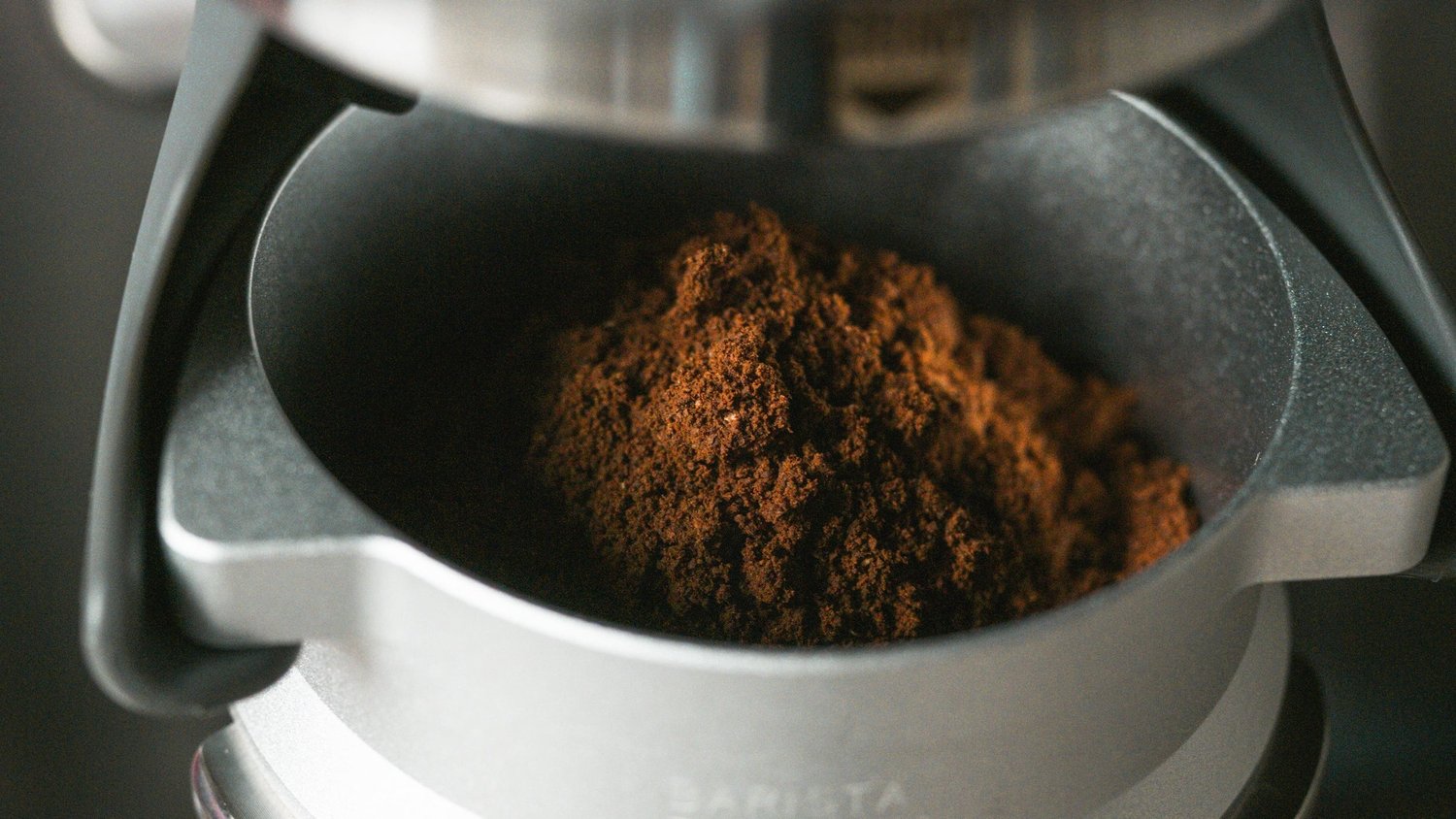
Over grindingmakes espresso taste bitter and burnt. The shot pulls slowly and looks thick. Under grindingcauses a weak, sour taste. The espresso flows too fast and looks watery.
Adjust grind size in small steps. A finer grind slows water flow and gives a stronger taste. A coarser grind speeds up extraction and makes the taste lighter. Always test one change at a time to see the effect.
- Too slow flow? Try coarser grind.
- Too fast flow? Try finer grind.
- Bitter taste? Grind coarser.
- Sour taste? Grind finer.
Credit: www.brewingwithdani.com
Experimenting For The Perfect Brew
Testing different grind sizes helps find the best espresso taste. Try coarse, medium, and fine grinds. Each size changes how fast water flows through the coffee. Coarse grinds make weak coffee. Fine grinds can taste bitter. Medium grind often works well.
Record your results carefully. Note the grind size, taste, and extraction time. Write down what you like and dislike about each test. This helps compare and find the perfect grind.
Refining your technique means adjusting grind size based on your notes. Small changes can make a big difference. Keep testing until you reach a good balance of flavor and strength. Experiment often for the best brew.
Frequently Asked Questions
How Fine Should Espresso Beans Be Ground?
Espresso beans should be ground very fine, almost powdery but not too dusty. This allows optimal water extraction and rich flavor.
How Much Espresso Beans To Grind Per Shot?
Grind approximately 18-20 grams of espresso beans for a double shot. Adjust slightly based on taste and machine type.
Can Grinding Espresso Beans Too Much Affect Taste?
Yes, over-grinding causes bitterness and over-extraction. Proper grind size ensures balanced flavor and smooth crema.
Should I Grind Espresso Beans Fresh Every Time?
Grinding fresh before each shot preserves aroma and flavor. Pre-ground beans lose quality quickly due to oxidation.
Conclusion
Grinding espresso beans just right makes a big difference. Too fine, and the coffee tastes bitter or weak. Too coarse, and the water flows too fast, losing flavor. Find the balance by adjusting grind size little by little. Use fresh beans for the best taste.
Remember, small changes affect your espresso a lot. Practice and patience will help you enjoy better coffee every day. Keep experimenting until you find what suits your taste best. Enjoy the process and your perfect cup of espresso.