
You love the rich aroma of freshly ground coffee, but you don’t have a grinder at hand. What now?
Don’t worry—grinding coffee without a grinder is easier than you think. Imagine waking up and still enjoying that perfect cup, even without fancy equipment. In this post, you’ll discover simple, effective ways to grind your coffee beans using everyday items.
Keep reading, and you’ll never have to settle for pre-ground coffee again. Your taste buds will thank you.

Credit: www.helenacoffee.vn
Why Grind Coffee At Home
Grinding coffee at homegives you fresh and tasty coffee. Freshly ground beans keep their natural oilsand flavorsbetter than pre-ground coffee. This means your coffee will be richer and more aromatic. You can also control the grind sizeto match your coffee maker, which affects the taste and strength.
Freshly ground coffeehas many benefits:
- Better flavor:Coffee tastes stronger and more full-bodied.
- More aroma:The smell is fresh and inviting.
- Custom grind size:You can choose fine, medium, or coarse.
- Longer freshness:Coffee stays fresh until you grind it.
Choosing the right grind size is key for a good cup:
| Grind Size | Use For | Effect |
|---|---|---|
| Coarse | French press, cold brew | Slower extraction, smooth taste |
| Medium | Drip coffee makers | Balanced flavor and strength |
| Fine | Espresso machines | Quick extraction, strong taste |

Credit: www.roastthecoffee.com
Common Household Items For Grinding
A mortar and pestleworks well for grinding coffee beans. Place beans inside the mortar and press them with the pestle. Use a twisting motion to crush the beans. This method gives you control over the grind size.
A rolling pincan crush coffee beans on a flat surface. Put beans inside a plastic bag or between two sheets of paper. Roll the pin back and forth, applying steady pressure. Keep rolling until beans reach the desired size.
A hammer or malletcan break beans quickly. Place beans in a sturdy bag or between cloth layers. Gently tap with the hammer or mallet. Tap lightly at first to avoid crushing beans too much.
Creative Diy Grinding Techniques
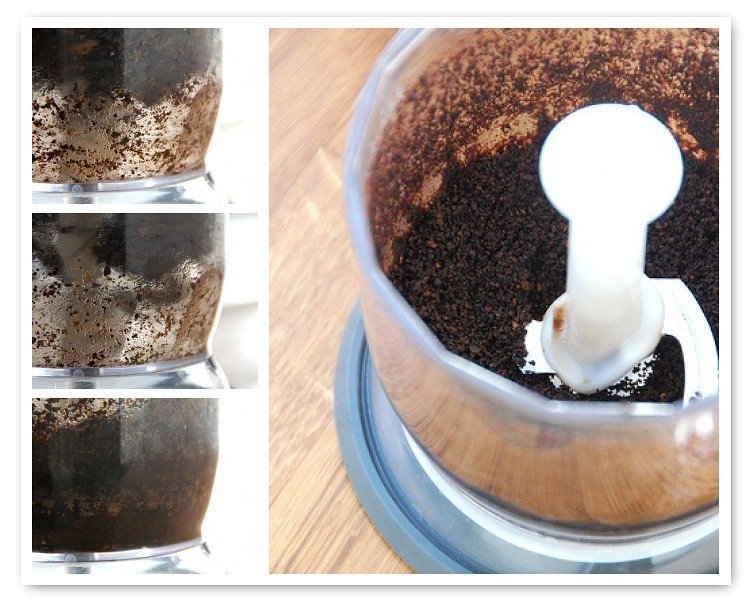
Blending with a Food Processorcan quickly break coffee beans into small pieces. Use short bursts of power to avoid overheating the beans. Stop and shake the processor to move beans around. This helps achieve a more even grind. Be careful not to blend too long to prevent powdery grounds.
Using a Blender for Coarse Groundsworks well if you want larger pieces. Add a small amount of beans to the blender jar. Pulse the blender in short bursts. Check the grind size often to avoid turning beans into dust. Blenders with strong blades make this easier.
Shaking Beans in a Jarneeds no electricity. Place beans in a sturdy jar with a tight lid. Shake the jar vigorously for a few minutes. The beans will hit each other and break down. This method takes time but gives control over grind size.
Tips For Consistent Grinding
Use a sturdy surface and a rolling pin to crush coffee beans evenly. Press gently and roll back and forth for a consistent grind. Check the texture often to avoid over-grinding or uneven pieces.
Controlling Grind Size
Use simple tools like a mortar and pestle or rolling pin. Crush beans slowly for a coarse grind. Apply steady pressure for a fine grind. Check grind size often to keep it even. A consistent size helps brew better coffee.
Avoiding Overheating Beans
Grind beans in short bursts to stop heat build-up. Heat can change the taste of coffee. Let beans cool if they feel warm. Keep tools dry and clean to avoid extra heat.
Cleaning Tools Properly
- Use a dry cloth to wipe tools after each use.
- Wash tools with mild soap and water regularly.
- Make sure tools are fully dry before next use.
- Clean tools prevent old coffee oils from spoiling flavor.
Brewing With Manually Ground Coffee
Adjusting brewing timeis key when using manually ground coffee. Coarser grounds need longer brewing. Finer grounds require less time to avoid bitterness. Watch the brewing closely. Small changes in time affect taste a lot.
Matching grind size to brewing method helps make better coffee. For example:
| Brewing Method | Recommended Grind Size |
|---|---|
| French Press | Coarse |
| Pour Over | Medium |
| Espresso | Fine |
| AeroPress | Medium to Fine |
Adjust the grind size based on your brewing tool. This controls extraction and flavor. Taste changes with grind size and time. Experiment gently to find your perfect cup.

Credit: kauaicoffee.com
Frequently Asked Questions
How Can I Grind Coffee Without A Grinder?
You can grind coffee using a mortar and pestle, rolling pin, or a clean hammer. These methods crush beans manually, giving a coarse to medium grind suitable for various brewing methods.
What Household Items Work For Grinding Coffee Beans?
Common items like a blender, food processor, or spice grinder work well. They quickly break beans into smaller particles but may need pulsing to avoid overheating.
How Do I Grind Coffee With A Rolling Pin?
Place coffee beans in a sealed plastic bag, then roll the pin over them. Apply even pressure and roll repeatedly until you reach the desired grind size.
Is Hand-grinding Coffee Beans Effective?
Yes, hand-grinding is effective and offers control over grind size. It may take more time and effort but produces fresh, flavorful grounds without special tools.
Conclusion
Grinding coffee without a grinder is simple and doable. Use tools like a mortar and pestle, rolling pin, or even a spoon. These methods let you enjoy fresh coffee anytime. It may take a bit more effort but the taste is worth it.
Try different ways to find what works best for you. Freshly ground coffee makes your cup better every time. Keep your coffee routine flexible and fun. Enjoy the rich flavor from your own hands.