
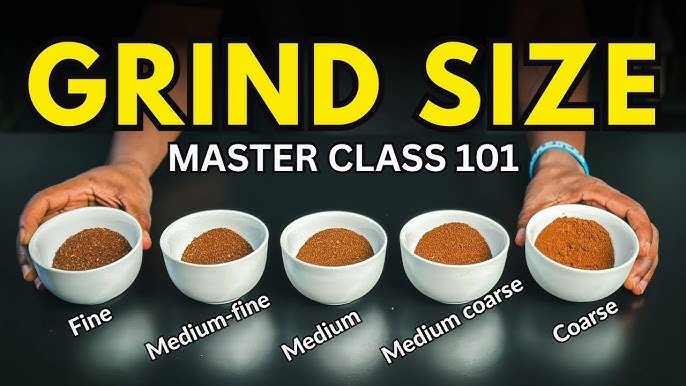
If you want rich, bold espresso from your stovetop coffee maker, the grind size of your coffee beans is the secret that can make or break your cup. Too coarse, and your espresso will taste weak and watery.
Too fine, and it could clog your maker or taste bitter. Getting the grind just right unlocks the perfect balance of flavor and strength. You’ll discover exactly how fine to grind your coffee for stovetop espresso, so every sip feels like a little moment of joy.
Ready to make your best espresso yet? Keep reading.
Grind Size And Espresso Quality
The grind sizegreatly affects the tasteand qualityof stovetop espresso. Too fine a grind makes the espresso bitterand over-extracted. Too coarse a grind leads to a weakand under-extractedbrew.
Impact of Grind on Flavor:
- Fine grind produces a strong, bold flavor.
- Coarser grind results in a lighter, less intense taste.
- Consistent grind size ensures even extraction.
Grind Size and Extraction Time:
- Finer grind slows water flow, increasing extraction time.
- Coarser grind speeds water flow, reducing extraction time.
- Ideal grind balances extraction time for rich flavor.
Credit: www.acouplecooks.com
Ideal Grind For Stovetop Espresso
The ideal grindfor stovetop espresso is very fine, but not powdery. It should feel like table salt. This grind size helps water flow at the right speed through coffee grounds. Too coarse, and the coffee will taste weak. Too fine, and it may taste bitter or clog the filter.
A fine grind has these characteristics:
- Grains are small and consistent in size
- Texture is smooth, not gritty
- Feels slightly coarse between fingers, not like dust
| Grind Size | Description | Use Case |
|---|---|---|
| Coarse | Large, chunky particles | French press |
| Medium | Like sand | Drip coffee makers |
| Fine | Small, salt-like particles | Stovetop espresso |
| Extra Fine | Powdery, like flour | Turkish coffee |
Grinding Techniques For Consistency
Grinding coffee for stovetop espresso requires a fine, consistent texture. A uniform grind helps water extract rich flavors evenly. Avoid too coarse or too powdery grounds to prevent weak or bitter coffee.
Using Burr Grinders
Burr grindersproduce a consistent grind size. They crush beans evenly between two burrs. This helps extract rich flavor. Fine adjustment settings allow precise control. This suits stovetop espresso well. Burr grinders keep coffee grounds uniform. This improves the taste and crema.
Avoiding Blade Grinders
Blade grinderschop beans unevenly. They create a mix of fine powder and large chunks. This inconsistency leads to uneven extraction. Bitter or weak coffee may result. Blade grinders heat beans, affecting flavor. They are less suitable for espresso.
Adjusting Grind For Different Beans
The roast levelof coffee affects how fine you should grind it for stovetop espresso. Darker roasts are softer and may need a slightly coarser grindto avoid over-extraction. Lighter roasts are harder and often need a finer grindto get full flavor.
Bean origin also matters. Beans from different places have unique qualities. For example, Arabica beansusually require a finer grind than Robusta beans. Freshness plays a role too; fresher beans may need a finer grind for the best taste.
| Bean Type | Recommended Grind | Reason |
|---|---|---|
| Dark Roast | Medium-Fine | Soft beans, avoid bitterness |
| Light Roast | Fine | Harder beans, extract flavor |
| Arabica | Fine | Delicate flavor, requires precision |
| Robusta | Medium-Fine | Stronger beans, less fine grind |
Troubleshooting Common Grind Issues
Grinding coffee too fine can cause slow extraction and bitterness. Too coarse, and the espresso may taste weak or watery. Adjust grind size to find the right balance for smooth stovetop espresso.
Over-extraction Signs
Over-extractionhappens when coffee tastes too bitter or harsh. The grind is usually too fine, causing water to pass very slowly. Coffee may feel dry or powderyin the mouth. The brew might look dark and heavy. Over-extracted coffee often has a strong, unpleasant aftertaste. The espresso shot takes longer than usual to pull, sometimes over 30 seconds. Adjusting to a slightly coarser grindcan fix these issues.
Under-extraction Symptoms
Under-extractionmeans the coffee tastes sour or weak. The grind is usually too coarse, letting water flow too fast. The espresso may be light in colorand thin in body. Shots pull too quickly, often under 20 seconds. The taste lacks depth and sweetness. Fix this by using a finer grindto slow down extraction and bring out flavors.
Credit: www.thalinepal.com
Tips For Perfect Stovetop Espresso
Grinding coffee fresh for each brew is key to great stovetop espresso. Freshly ground coffee keeps flavor and aromaat their best. Use a fine grind, similar to table salt. Too coarse, and the espresso will taste weak. Too fine, and water won’t pass through properly.
Store ground coffee in an airtight containeraway from light, heat, and moisture. Avoid the fridge or freezer, as condensation can harm flavor. Use the coffee within a week for best taste. Small batches work better to keep coffee fresh and tasty.
Credit: recent.coffee
Frequently Asked Questions
What Grind Size Is Best For Stovetop Espresso?
A fine grind, similar to table salt, is ideal for stovetop espresso. It allows optimal extraction and rich flavor.
How Does Grind Size Affect Stovetop Espresso Taste?
Finer grinds increase extraction, enhancing flavor and strength. Coarser grinds produce weaker, under-extracted coffee with less aroma.
Can Too Fine A Grind Damage My Stovetop Espresso Maker?
Yes, too fine a grind can clog the filter, causing overpressure and bitterness. Use a consistent fine grind for best results.
How To Grind Coffee For Stovetop Espresso At Home?
Use a burr grinder set to fine. Avoid blade grinders as they produce uneven particle sizes, affecting taste.
Conclusion
Grinding coffee finely is key for stovetop espresso success. Too coarse, and the flavor weakens. Too fine, and the coffee may taste bitter or clog the filter. Aim for a texture like table salt. This balance helps water flow just right and brings out rich, bold flavors.
Experiment a little to find your perfect grind. Enjoy the process and savor every cup brewed just the way you like.