
Do you wake up with a sore jaw or a headache and wonder why? You might be grinding your teeth in your sleep, a common problem that can quietly damage your teeth and disrupt your rest.
But the good news is, you don’t have to live with this discomfort. You’ll discover simple and effective ways to stop grinding your teeth at night. Keep reading to protect your smile and enjoy peaceful, refreshing sleep every night.
Credit: www.atlasdentalcentre.ca
Causes Of Teeth Grinding
Stress and anxietyoften cause teeth grinding during sleep. People tense their jaw muscles when feeling worried or nervous. This tension leads to clenching and grinding.
Sleep disorderslike sleep apnea can trigger grinding. These disorders disturb normal sleep patterns, causing the body to react by grinding teeth.
Misaligned teethcreate uneven pressure while sleeping. The jaw tries to adjust, leading to grinding to relieve discomfort.
Lifestyle factorssuch as caffeine, smoking, and alcohol increase the chance of teeth grinding. These habits can make muscles more active at night.
Effects Of Teeth Grinding
Teeth grindingcan cause serious dental damage. Enamel wears down, making teeth weak and sensitive. Cracks and chips may form, leading to costly dental work. Over time, teeth may become loose or fall out.
Jaw painand headachesare common from grinding. The muscles around the jaw get tired and sore. This can cause discomfort when chewing or talking. Headaches often start near the temples and can last for hours.
Sleep disruptionaffects both the grinder and their partner. Grinding noises can wake people up multiple times. Poor sleep reduces energy and affects mood the next day. It may also lead to tiredness and trouble focusing.
Lifestyle Changes To Reduce Grinding
Stress can cause teeth grinding during sleep. Try deep breathing or meditation to calm your mind. Regular exercise also helps reduce tension and improves sleep quality.
Avoid caffeine, nicotine, and energy drinks in the evening. These stimulantsmake your muscles tense and increase grinding risks. Drink water or herbal tea instead.
Good sleep habits reduce teeth grinding. Keep a regular bedtime and wake-up time. Make your bedroom quiet and dark. Avoid screens at least one hour before bed. This helps your brain relax and prepares your body for rest.
Credit: vancouverdentistbc.ca
Dental Solutions
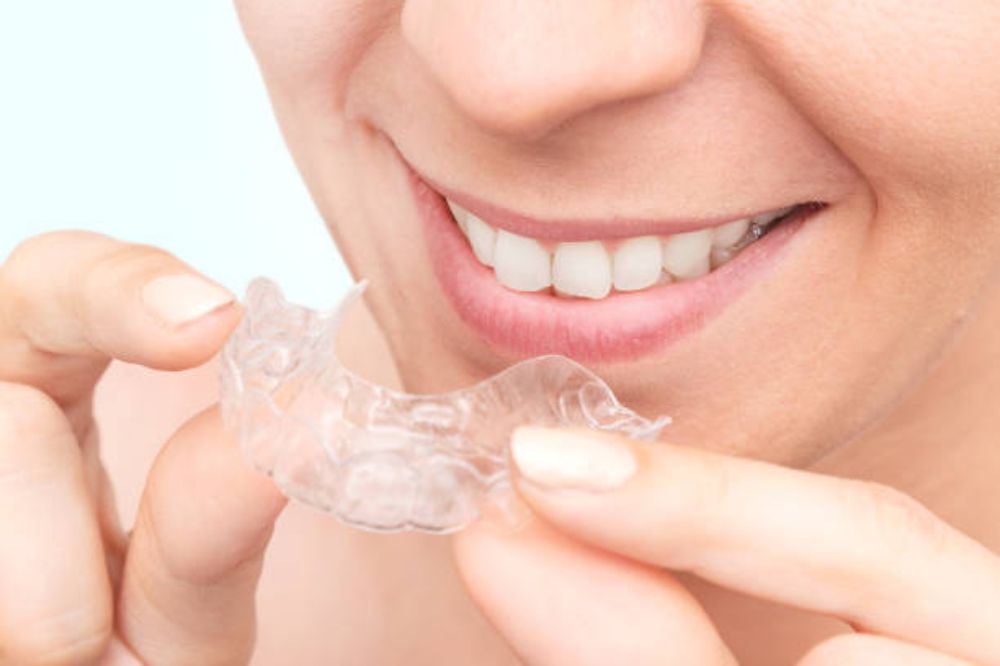
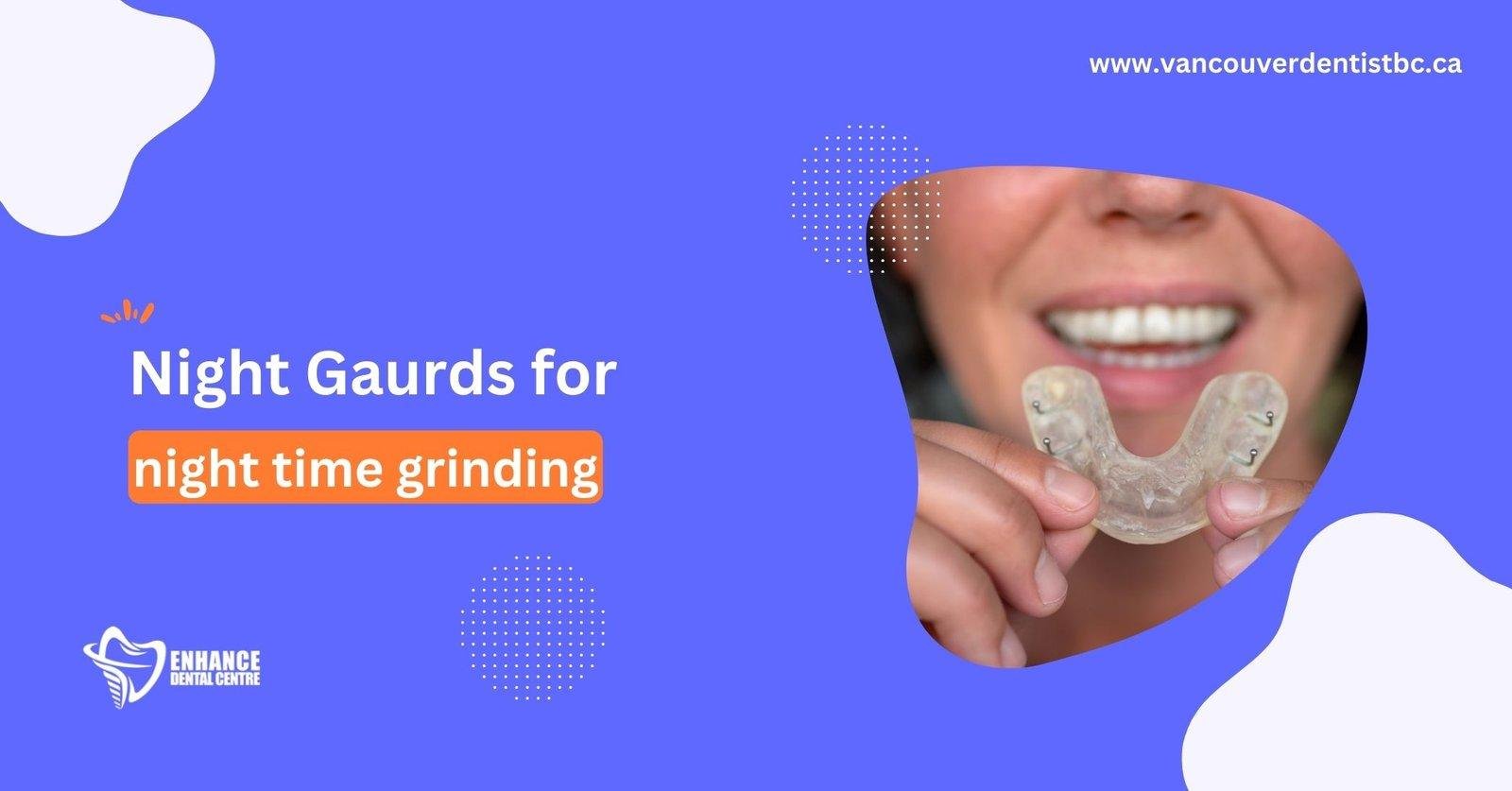
Mouthguardsand splintsprotect teeth from grinding damage during sleep. These devices fit over teeth, creating a barrier. They reduce pressure and stop tooth wear. Custom mouthguards from dentists fit better and feel more comfortable than store-bought ones.
Corrective dental treatmentscan help if grinding is due to misaligned teeth. Braces or dental crowns fix uneven bite problems. This reduces the urge to grind. Dentists may also reshape some teeth to balance the bite and prevent grinding.
Therapies And Medical Treatments
Physical therapycan help relax your jaw muscles. Exercises improve muscle control and reduce tension. Stretching and massage ease tightness. Sometimes, heat or cold packs are used to calm pain. A physical therapist may teach you ways to keep your jaw loose during the day.
Medication optionsinclude muscle relaxants to reduce jaw clenching. Pain relievers help ease discomfort caused by grinding. Sometimes, doctors suggest anti-anxiety drugs to lower stress, a common cause of teeth grinding. Always follow your doctor’s advice when using medicines.
- Behavioral therapyteaches ways to stop teeth grinding habits.
- It may include stress management and relaxation techniques.
- Biofeedback helps you learn control over jaw muscles.
- Therapy sessions help you practice new habits to protect teeth.
Credit: medium.com
When To See A Professional
Severe grindingcan cause jaw pain, headaches, and worn teeth. Signs include loud grinding noisesduring sleep, tooth damage, and persistent jaw soreness. Difficulty opening the mouth or sore gums also suggest a problem. These symptoms need prompt attention to avoid long-term damage.
Choosing the right specialist is important. A dentistwith experience in sleep disorders or a sleep specialistcan help. They will examine the teeth and jaw and may suggest a mouth guardor other treatments. Early care can prevent pain and tooth loss.
Frequently Asked Questions
What Causes Teeth Grinding During Sleep?
Teeth grinding, or bruxism, often results from stress, anxiety, or sleep disorders. Misaligned teeth or lifestyle factors, like caffeine and alcohol, can also contribute. Identifying the root cause is essential to finding an effective solution. Consulting with a dentist can provide insights into the specific triggers for your bruxism.
How Can I Tell If I’m Grinding My Teeth?
Common signs include jaw pain, headaches, and worn-down teeth. You might also experience increased tooth sensitivity. If you’re unsure, ask a partner if they hear grinding noises during the night. A dentist can diagnose bruxism with an examination and suggest appropriate treatments.
Are There Home Remedies For Teeth Grinding?
Yes, several remedies can help reduce teeth grinding. Stress management techniques like meditation or yoga can be effective. Reducing caffeine and alcohol intake may also help. Using a warm compress on your jaw before bed can relax muscles. Consulting a dentist for personalized advice is recommended.
Can Teeth Grinding Damage My Teeth?
Yes, persistent teeth grinding can lead to significant dental issues. It can cause tooth wear, fractures, and even tooth loss over time. Additionally, it can lead to jaw disorders and headaches. Seeking timely intervention can prevent long-term damage and preserve dental health.
Conclusion
Stopping teeth grinding takes effort and care each night. Try wearing a mouthguard to protect your teeth. Practice relaxing before bed to reduce stress. Avoid caffeine and alcohol in the evening. See a dentist to check for other issues. Small changes can make a big difference.
Healthy sleep habits help your mouth stay safe. Keep these tips in mind for peaceful nights. Your teeth will thank you with less pain. Start today and enjoy quieter, more restful sleep.