
You want to keep your dog comfortable and healthy, but trimming their nails can be tricky. How far should you grind your dog’s nails to avoid pain or injury?
If you go too short, you risk hurting your furry friend. If you don’t go far enough, their nails can cause discomfort or damage. You’ll discover the safe and effective way to grind your dog’s nails. By the end, you’ll feel confident handling nail care without stress—for both you and your pet.
Keep reading to learn the simple tips that make all the difference.

Credit: www.reddit.com
Why Nail Grinding Matters
Nail grindinghelps keep a dog’s paws healthy and pain-free. It prevents nails from becoming too long, which can cause discomfort and injury. Long nails can lead to walking problemsand even joint pain over time.
Grinding nails is safer than clipping. It gives better control and avoids cutting into the quick, which is the sensitive part inside the nail. This reduces the chance of bleeding and pain.
Regular nail grinding keeps nails smooth. This stops nails from snagging on carpets or furniture. It also reduces damage to floors and your dog’s paws.
Signs Your Dog Needs Nail Grinding
Dogs need nail grinding when their nails are too longor click on the floor. Long nails can cause discomfortand even pain. Watch for nails that curlor catch on carpets. Your dog may also lick paws morethan usual. If your dog walks awkwardly, nail length could be the cause. A quick look shows if nails touch the ground when standing. Thick nailsare harder to cut and may need grinding. Grinding keeps nails smoothand safe. It also helps avoid splittingor breaking. Nail grinding is best for dogs scared of clippers. It removes less nail at once, reducing risk of hurtingthe quick. Regular checks help keep nails in good shape.
Choosing The Right Grinder
There are different types of nail grindersfor dogs. Some use a rotary toolthat spins a small drum to grind nails. Others have a strip grinderwith a sandpaper strip to file the nails down gently. Some grinders are corded, while others are battery-poweredfor easy use anywhere.
Choosing a grinder depends on your dog’s size and comfort. Small dogs may need a quieter, slower grinderto avoid scary noises. Bigger dogs can handle a stronger tool with more power.
| Feature | Why It Matters |
|---|---|
| Speed Settings | Allows control for safe, gentle grinding |
| Noise Level | Low noise keeps dogs calm |
| Grip | Comfortable to hold for steady control |
| Safety Guard | Prevents cutting nails too short |
| Power Source | Battery or corded for convenience |
How Far To Grind Nails
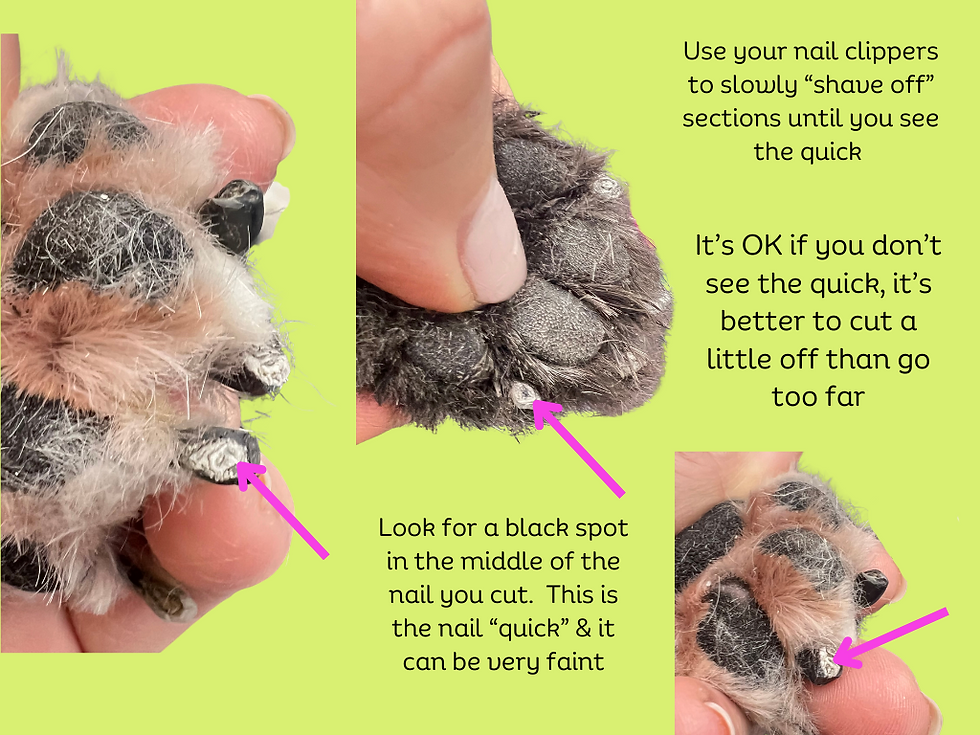
The quickis the pink part inside a dog’s nail. It has blood vessels and nerves. Cutting or grinding too close can hurt your dog and cause bleeding.
For dogs with light-colored nails, the quick is easier to see as a pink line. Stop grinding a few millimeters before this line.
Dogs with dark nailsneed extra care. Grind small amounts at a time to avoid hitting the quick. Watch for a black dot in the middle; it shows the quick is near.
Use a good light and keep your dog calm. If unsure, grind less and check often.
| Dog Nail Color | Quick Visibility | Safe Grinding Tip |
|---|---|---|
| Light-colored | Pink and visible | Stop 2-3 mm before pink area |
| Dark-colored | Hard to see | Grind small bits; watch for black dot |
Step-by-step Grinding Process
Start by calming your dog with gentle petting and soft words. Choose a quiet place to avoid distractions. Have the nail grinder ready and check its speed. Let your dog sniff the tool first. Hold your dog’s paw firmly but gently to avoid sudden moves.
Use a slow, steady grinding motion on the nail tip. Avoid grinding too close to the quick, the pink part inside the nail. Grind small amounts at a time to prevent pain or bleeding. Keep checking your dog’s reaction for signs of discomfort.
After grinding, smooth the edges with a finer grit if available. Praise your dog with treats and affection to create a positive experience. Keep the nails short but not too short to protect the quick. Clean the grinder and store it safely for next use.

Credit: www.scenthound.com
Common Mistakes To Avoid
Grinding dog nails too short can cause pain and bleeding. Always stop before you reach the quick, the sensitive part inside the nail. Using too high a speed on the grinder may frighten your dog or cause injury. Grinding nails too fast does not make the process better. Avoid holding your dog’s paw too tight; this can make them nervous. Not checking the nail length often leads to cutting too much. Skipping regular grinding sessions makes nails grow too long, increasing the risk of injury. Avoid using a grinder with a dull bit; it can pull and hurt the nail. Always keep treats nearby to reward calm behavior. Patience is key to help your dog get used to nail grinding.
Aftercare And Maintenance
Cleaning the grinder is key for safe nail care. After each use, wipe the grinding surface with a dry cloth. Avoid water to stop damage. Use a small brush to clear nail dust from the vents and motor. This keeps the tool working well and lasts longer.
Checking nail health is important before and after grinding. Look for cracks, splits, or redness around the nails. Watch out for swelling or bleeding. Healthy nails are smooth and clean. Regular checks help catch problems early and keep your dog comfortable.
When To Seek Professional Help
Professional help is important if your dog’s nails are very long or thick. Experts know how to trim nails safely without hurting your pet. If your dog is scared or restless during nail grinding, a groomer or vet can help.
Seek help if nails bleed after grinding. This could mean the nail was cut too short. Also, if your dog has an infection or pain around the nails, a vet visit is needed.
Many groomers have special tools that make grinding faster and safer. They can handle dogs who do not like nail care at home. A professional can also teach you how far to grind nails next time.

Credit: www.barkavedog.com
Frequently Asked Questions
How Far Should I Grind My Dog’s Nails Safely?
Grind your dog’s nails just until the quick is no longer visible. Avoid grinding too close to prevent pain and bleeding. Stop frequently to check nail length and keep sessions short.
How Do I Know When To Stop Grinding Dog Nails?
Stop grinding when the nail feels smooth and the quick is not exposed. Look for a slight rounded edge and avoid making nails too short to prevent injury.
Can Grinding Dog Nails Cause Pain Or Bleeding?
Yes, grinding too far can hurt your dog and cause bleeding. Always grind slowly and cautiously, stopping before reaching the quick. Use proper tools and techniques for safety.
How Often Should I Grind My Dog’s Nails?
Grind your dog’s nails every 2 to 4 weeks. Frequency depends on activity levels and nail growth. Regular grinding keeps nails short and prevents discomfort or damage.
Conclusion
Grinding dog nails just enough keeps your pet safe and happy. Stop before you reach the quick to avoid pain. Regular, gentle grinding helps nails stay healthy and neat. Watch your dog’s nails often to know when to grind. Take breaks if your dog seems uncomfortable or scared.
Keep the grinder steady and use slow, short bursts. This simple care routine protects your floors and your dog’s paws. Small efforts make a big difference in nail health and comfort.