
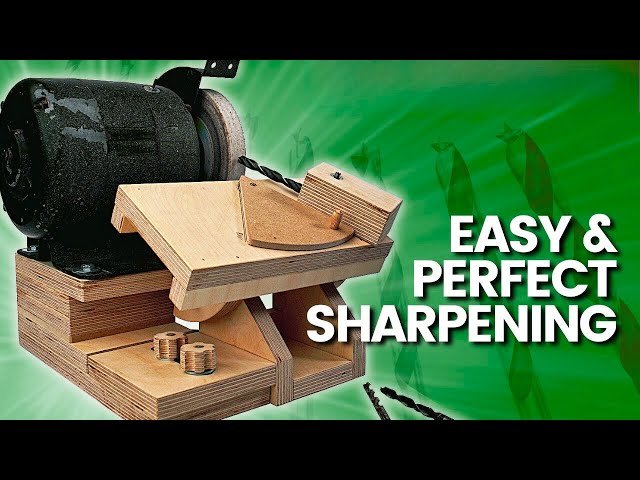
Do you have a dull drill bit slowing down your work? Sharpening it yourself can save you time and money.
But how do you get that perfect edge without ruining your tool? Using a bench grinder is a simple and effective way to bring your drill bits back to life. In this guide, you’ll learn exactly how to sharpen your drill bit with a bench grinder step by step.
By the end, you’ll feel confident and ready to tackle any drilling task with sharper, stronger bits. Keep reading to unlock the secret to making your tools work like new again.
Choosing The Right Drill Bit
Drill bits come in different types for various jobs. The most common are twist bits, spade bits, and masonry bits. Twist bits are best for metal and wood. Spade bits work well for quick, rough holes in wood. Masonry bits drill into stone and concrete.
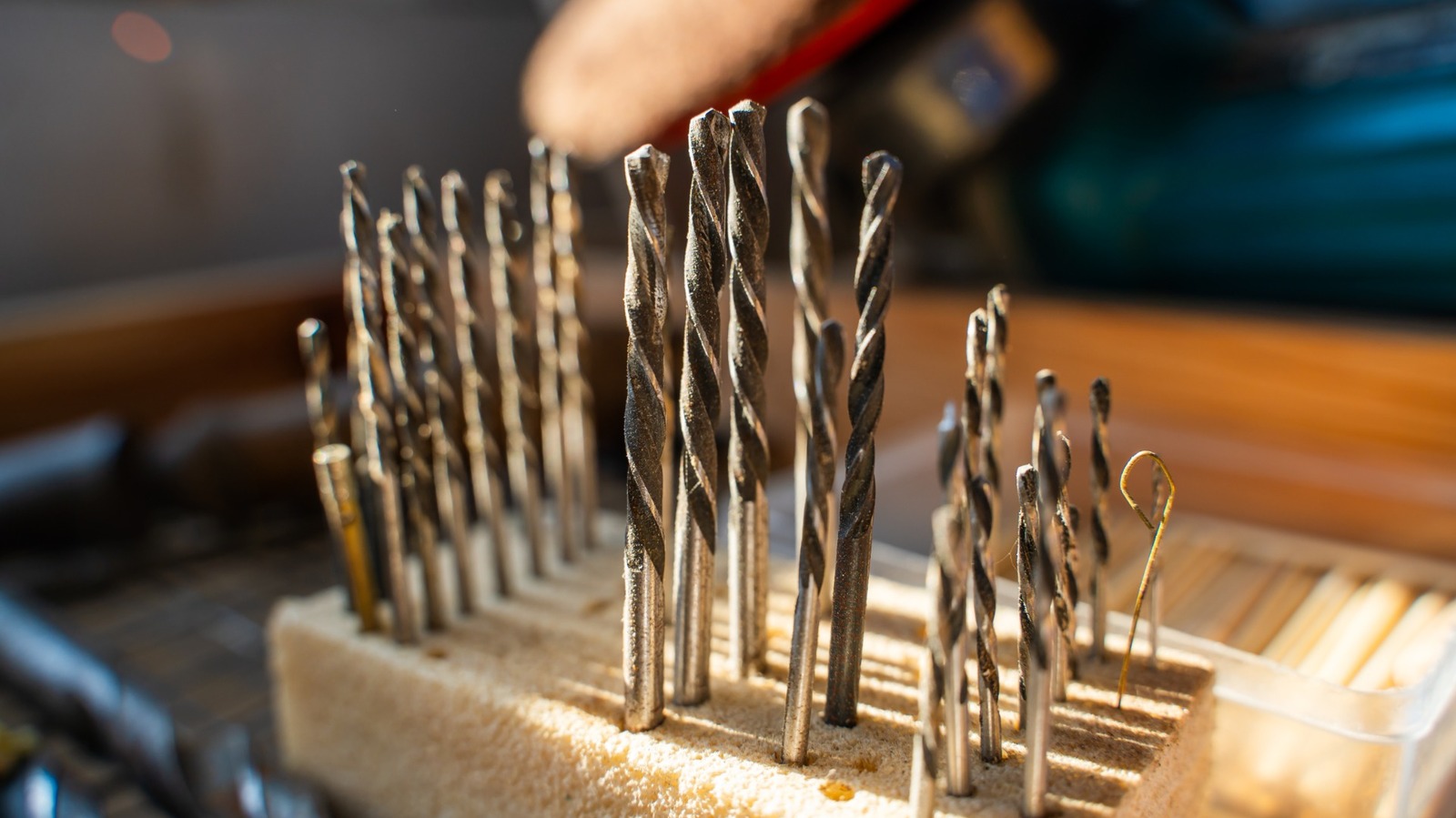
Knowing when to sharpen or replace a bit saves time and money. Sharpen bits that are dull but not damaged. Replace bits that have chips, cracks, or are very worn out. Dull bits cause poor holes and can break easily.
Credit: www.slashgear.com
Preparing Your Workspace
Protect yourself with the right safety gear. Wear safety gogglesto shield your eyes from sparks and dust. Use ear protectionto reduce noise from the grinder. Gloves help protect your hands but must fit well to avoid getting caught. A dust mask stops you from breathing in fine particles. Wear snug clothing to prevent loose fabric from catching in the grinder.
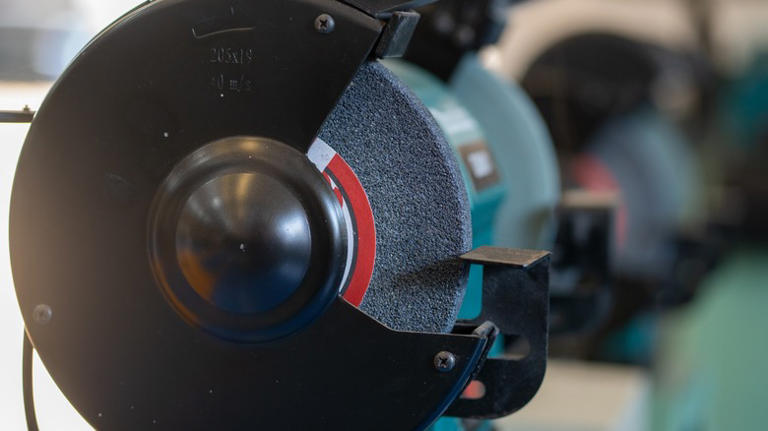
Place the bench grinder on a stable, flat surface. Ensure it is firmly fixed to avoid movement. Check the grinder’s wheels for any damage before starting. Adjust the tool rest close to the wheel, leaving a small gap for safety. Make sure the grinder’s switch is easy to reach. Clear the workspace of any clutter or flammable items to prevent accidents.
Sharpening Techniques
The correct angle for grindinga drill bit is usually between 55 and 60 degrees. This angle helps the bit cut well and last longer. Hold the bit steady and move it slowly against the bench grinder to keep the angle steady.
Maintaining bit symmetryis very important. Both cutting edges must be the same length and shape. This keeps the drill bit balanced and helps it drill straight holes. Check the edges often as you grind.
Avoiding overheatingprotects the bit’s metal. Heat can make the bit soft and weak. Dip the bit in water often to cool it down. Grind in short bursts and do not press too hard on the grinder.
Credit: www.msn.com
Step-by-step Sharpening Process
Use a marker to color the cutting edgesof the drill bit. This helps see where grinding is needed. Rotate the bit slowly to cover all edges evenly.
Hold the drill bit at the correct angle against the bench grinder. Grind the cutting lipsgently. Avoid overheating by dipping the bit in water often. Keep the angle steady for a sharp edge.
Check the bit’s balance by placing it on a flat surface. Both sides should touch evenly. An unbalanced bit can cause vibrationand poor drilling. Adjust by grinding small amounts as needed.
Make small, careful final touchesto the edges. Smooth any rough spots with light grinding. Clean the bit with a cloth to remove dust and debris. Test the bit on wood or soft metal to ensure it drills well.
Testing The Sharpened Bit
Look closely at the drill bit tip after sharpening. The edges should be cleanand even. Check for any rough spotsor uneven surfaces. The tip should have a symmetrical shapeand sharp corners.
Try drilling a small hole in a piece of wood or scrap metal. Use slow speedand gentle pressure. Listen for a smooth soundwithout any grinding noise. If the bit drills easily, it is sharp enough.
- Wear safety glasses during the test.
- Use scrap material to avoid damage.
- Stop if the drill bit heats up quickly.
Common Mistakes To Avoid
Avoid overheating the drill bit. It can lose strength and break easily. Use short grinding bursts and cool the bit in water often. Keep the original angle of the bit’s tip. Changing it can reduce drilling efficiency. Do not press too hard on the grinder. Let the machine do the work to avoid damage. Avoid grinding the entire bit; focus only on the cutting edges. Always check the sharpness regularly to prevent over-grinding. Wear safety glasses and gloves to protect yourself from sparks and debris. Ensure the bench grinder’s wheel is in good condition and suitable for metal sharpening. Uneven grinding causes wobbling and poor drill performance.
Maintaining Drill Bits Post-sharpening
Proper storage keeps drill bits sharp and ready to use. Store bits in a dry place to stop rust. Use a case or holder to keep bits separate. This prevents damage and dulling from rubbing against each other.
Regular inspection helps find problems early. Check bits for chips, cracks, or dull edges. A quick look before use saves time and effort later. Replace or sharpen bits when they look worn out. Keep tools safe and working well for a long time.

Credit: www.youtube.com
Frequently Asked Questions
How Do I Safely Sharpen A Drill Bit With A Bench Grinder?
Always wear safety goggles and gloves before starting. Secure the drill bit firmly. Use a slow, steady motion against the grinder’s wheel. Avoid overheating by dipping the bit in water frequently to cool it down.
What Angle Should I Use To Sharpen A Drill Bit?
The standard sharpening angle is 59 degrees for most drill bits. This angle ensures efficient cutting and durability. Use a protractor or guide to maintain accuracy while grinding on the bench grinder.
How Long Does It Take To Sharpen A Drill Bit Properly?
Sharpening a drill bit usually takes 2 to 5 minutes. The exact time depends on the bit’s size and condition. Take your time to maintain the correct angle and avoid overheating.
Can I Sharpen All Types Of Drill Bits On A Bench Grinder?
Most high-speed steel (HSS) drill bits can be sharpened with a bench grinder. Carbide or coated bits require special equipment or professional sharpening. Check the bit’s material before attempting to sharpen.
Conclusion
Sharpening a drill bit with a bench grinder saves time and money. It keeps your tools working well and cuts better. Always wear safety gear to protect your eyes and hands. Take your time to grind carefully and evenly. Practice makes the process easier and more accurate.
A sharp drill bit makes your projects smoother and faster. Try this simple skill to keep your drill bits ready. You will see the difference in your work quality. Keep your bench grinder clean for best results.