
You want the perfect cup of coffee, but do you know how many seconds to grind your coffee beans? Grinding your beans just right can make all the difference between a bland brew and a rich, flavorful cup.
Too little grinding, and your coffee may taste weak. Too much, and it could become bitter. You’ll discover the ideal grinding time to unlock the best flavor from your beans every single time. Keep reading to transform your coffee routine and enjoy a barista-quality drink at home.

Credit: www.reddit.com
Grinding Time Basics
Grinding timeaffects the taste and strength of coffee. Too short a grind leaves beans coarse, causing weak coffee. Too long a grind makes powdery coffee, which can taste bitter. The right grind time depends on the grinder type and desired coffee style.
Several factors change how long grinding takes. Grinder typematters: burr grinders need more time than blade grinders. Bean freshnesscan affect grind speed. Desired grind sizealso changes time. Fine grinds need longer, coarse grinds need less time.
| Factor | Effect on Grinding Time |
|---|---|
| Grinder Type | Burr grinders take longer than blade grinders |
| Bean Freshness | Fresh beans may grind slower |
| Grind Size | Finer grinds require more time |
| Amount of Beans | More beans need longer grinding |
Credit: www.kitchenaid.com
Grind Size And Time
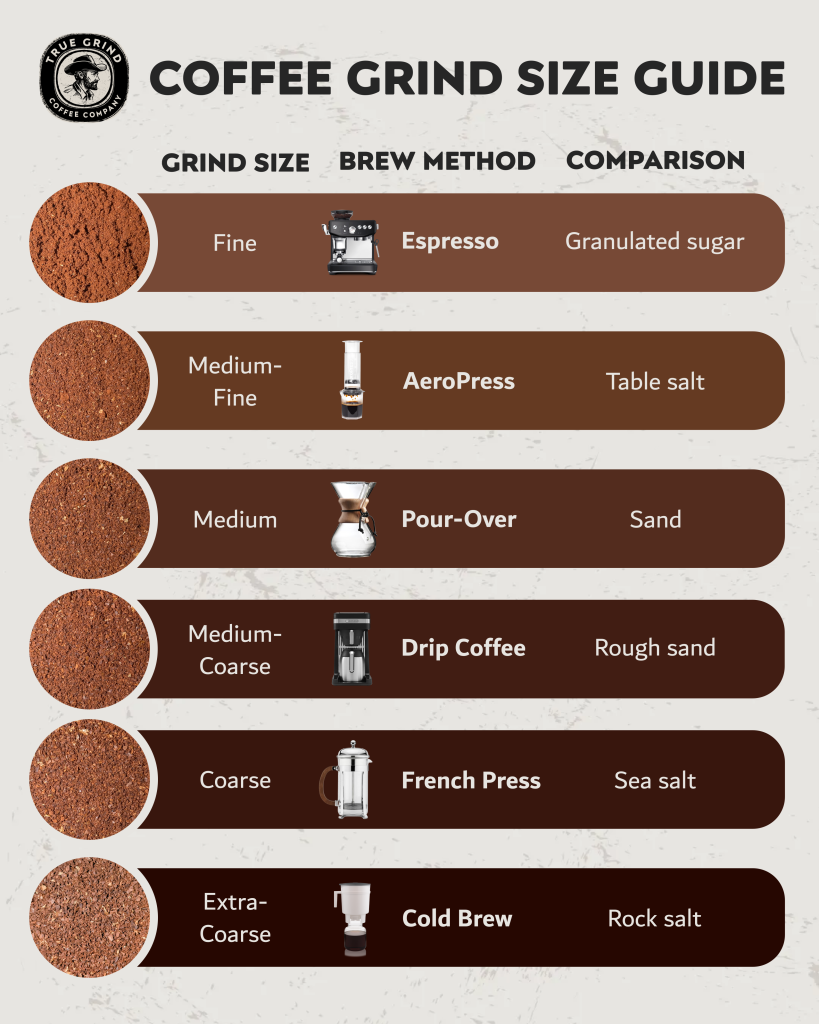
The grind sizeaffects the grinding timesignificantly. Coarse grounds need the shortest time, while fine grounds take the longest.
- Coarse Grind Timing:Usually takes about 10 to 15 seconds. Suitable for French press and cold brew.
- Medium Grind Timing:Takes around 15 to 20 seconds. Perfect for drip coffee makers and pour-over.
- Fine Grind Timing:Requires about 20 to 30 seconds. Best for espresso machines and Turkish coffee.
Grinding too long can heat the beans and change the flavor. Stop grinding once the texture feels right for your brew.
Grinding Methods And Their Timings
Blade grinderswork fast but can be uneven. Grinding takes about 10 to 20 seconds. Stop and shake the grinder to mix beans for better results. Watch the grind size closely to avoid over-grinding.
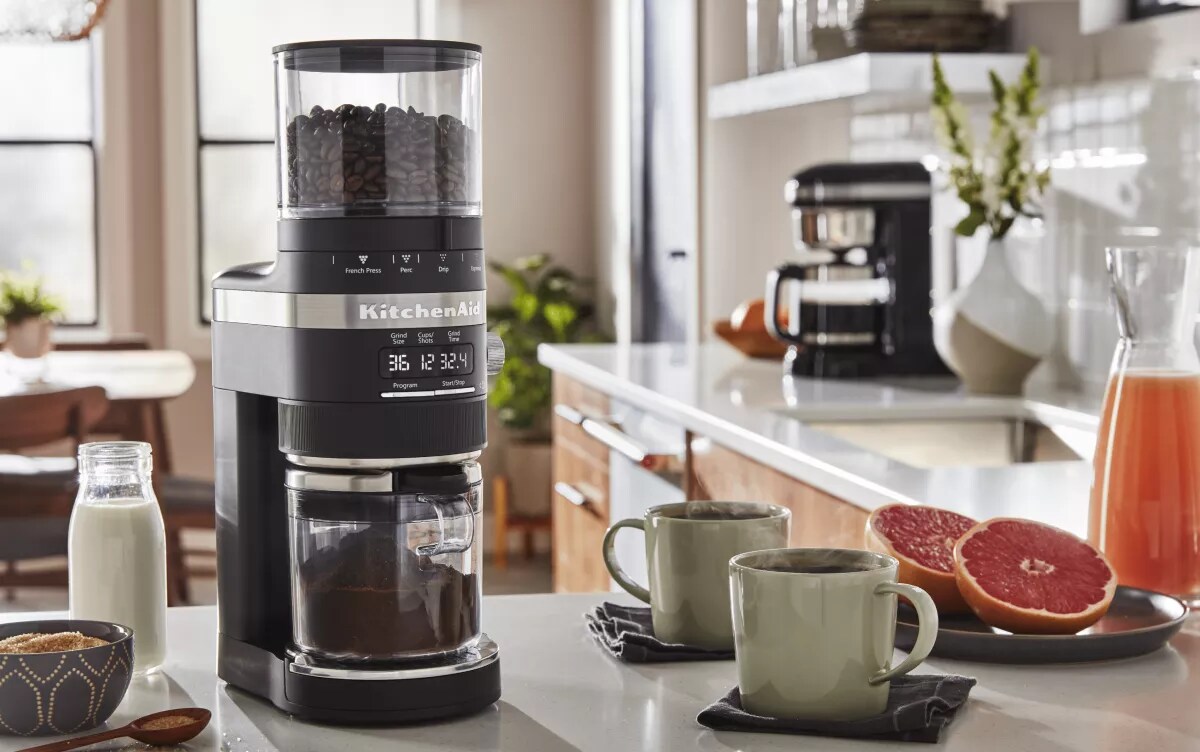
Burr grindersoffer consistent grind size. Grinding time ranges from 15 to 30 seconds, depending on the setting. Use shorter times for coarse grind and longer for fine grind.
Manual grindersneed physical effort. Grinding usually takes 30 to 60 secondsper small batch. It’s slower but gives good control over grind size.
| Grinder Type | Time to Grind (seconds) | Notes |
|---|---|---|
| Blade Grinder | 10 – 20 | Fast but uneven; shake to mix |
| Burr Grinder | 15 – 30 | Consistent grind; time varies by setting |
| Manual Grinder | 30 – 60 | Slower; good control over grind size |
Tips For Consistent Grinding
Measuring grinding timehelps keep coffee taste steady. Use a timer to grind beans for the right seconds. Different brew methodsneed different grind sizes and times. For example, espresso needs a fine grind and short time. French press requires a coarse grind and longer time.
Adjust grinding time by watching the grind texture. Stop grinding once the beans reach the needed size. Grinding too long can overheat beans. Overheated beans lose flavor and smell bad. To avoid this, grind in short bursts and let the grinder cool.
- Use a timer for consistent grinding
- Match grind size to brew method
- Check grind texture often
- Grind in short bursts to avoid heat
Troubleshooting Common Issues
Grinding coffee beans for too long can make the coffee taste bitter. Short grinding times may result in weak flavor. Adjust seconds based on your grinder and coffee type for the best taste.
Grind Too Coarse Or Fine
Coarse grindcan cause weak coffee. Fine grind can make coffee bitter. Adjust grind time slowly to find balance. Shorten grind time for coarser size. Lengthen for finer grounds. Small changes make big difference.
Inconsistent Particle Size
Uneven grind leads to bad taste. Check grinder blades or burrs for wear. Clean grinder regularly to avoid clumps. Use steady pressure when grinding. Avoid overloading grinder to keep size consistent.
Adjusting Time For Freshness
Grind coffee just before brewingfor best flavor. Longer grind time means finer grounds but can heat beans, reducing freshness. Use short bursts if grinder heats up. Store beans in airtight container to keep fresh.

Credit: angelinos.com
Frequently Asked Questions
How Many Seconds To Grind Coffee Beans For Espresso?
For espresso, grind coffee beans for about 10 to 15 seconds. This produces a fine, consistent grind ideal for pressure extraction and rich flavor.
How Long To Grind Coffee Beans For French Press?
Grind coffee beans for 20 to 30 seconds for French press. This creates a coarse grind that allows proper steeping and full-bodied taste.
Does Grind Time Affect Coffee Flavor?
Yes, grind time directly impacts coffee flavor. Too short results in coarse grounds and weak taste. Too long produces fine grounds and bitterness.
How To Adjust Grind Time For Different Coffee Makers?
Adjust grind time based on brewing method. Shorter for espresso, longer for drip or French press. Test and refine for best taste.
Conclusion
Grinding coffee beans takes just a few seconds. The exact time depends on your grinder and grind size. Fine grinds need more time, coarse grinds less. Too long can make coffee bitter. Too short leaves beans under-ground. Find a balance that suits your taste.
Experiment with timing to get the best flavor. Freshly ground coffee always tastes better. Keep your grinder clean for consistent results. Enjoy your perfect cup every morning. Simple steps lead to great coffee moments.