
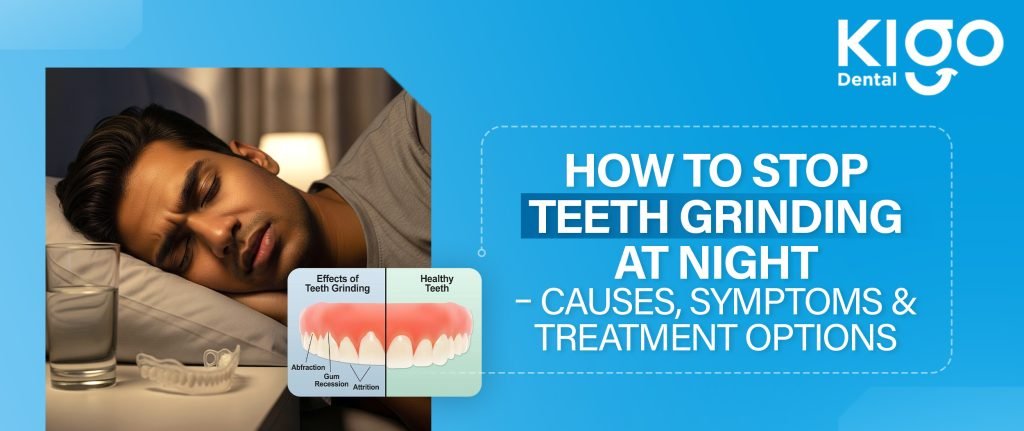
Are you waking up with a sore jaw or headaches? Do you notice worn-down teeth or feel tension in your face after sleep?
If so, you might be grinding your teeth at night without even realizing it. Night teeth grinding, also known as bruxism, can cause serious damage to your teeth and disrupt your sleep quality. But here’s the good news—you don’t have to live with it.
You’ll discover simple and effective ways to stop night teeth grinding for good. Keep reading to protect your smile and enjoy restful nights again.
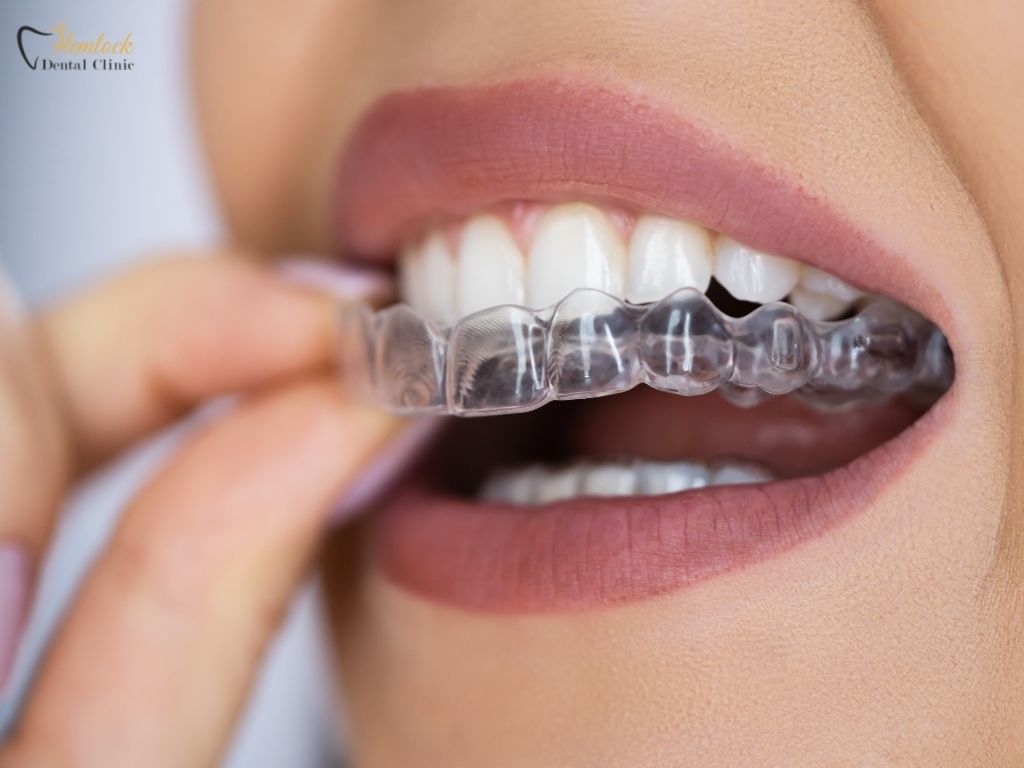
Credit: hemlockdentalclinic.com
Causes Of Night Teeth Grinding
Stress and anxietyoften cause teeth grinding at night. When the mind feels tense, muscles tighten, including jaw muscles. This can lead to clenching and grinding during sleep.
Sleep disorderslike sleep apnea and snoring can also trigger grinding. These conditions disturb normal sleep patterns, causing more jaw movement.
Dental issuessuch as misaligned teeth or missing teeth create uneven bite pressure. This makes the jaw work harder, leading to grinding.
Lifestyle factorslike caffeine, alcohol, and smoking increase the chance of grinding. These habits affect sleep quality and muscle relaxation.
Symptoms To Watch For
Jaw pain and sorenessoften occur after nights of teeth grinding. The jaw muscles may feel tired or tight. This can make chewing and talking uncomfortable. Sometimes, jaw clicking or popping sounds happen when opening or closing the mouth.
Tooth damageis a common sign. Teeth might look worn down, chipped, or cracked. Grinding wears away the enamel, which can cause sensitivity to hot or cold foods. This damage can lead to bigger dental problems if not treated.
Headaches and earachescan result from muscle tension caused by grinding. The pain often starts in the temples and spreads to the ears. This discomfort may happen in the morning or after sleep.
Sleep disruptionsmay affect both the grinder and their partner. Grinding noises can be loud and wake up others. Poor sleep quality can cause tiredness and irritability during the day.
Home Remedies To Reduce Grinding
Stress often causes teeth grinding. Try deep breathing or meditation to calm your mind. Spending a few minutes daily on relaxation can help reduce tension.
Good sleep helps stop grinding. Make your bedroom dark and quiet. Avoid screens at least one hour before bed. Keep a consistent bedtime to improve sleep quality.
Jaw exercises relax muscles. Gently open and close your mouth. Move your jaw side to side slowly. These actions ease tight muscles and reduce grinding.
Diet affects jaw tension. Avoid caffeine and hard foods before bedtime. Drink plenty of water. Eating soft meals at night can help relax your jaw.

Credit: www.amazon.com
Professional Treatments
Professional treatments like custom night guards help protect teeth from grinding damage. Dentists may also suggest stress-relief techniques or muscle relaxants to reduce clenching during sleep. These options provide effective support to stop nighttime teeth grinding.
Custom Mouthguards
Custom mouthguards fit your teeth perfectly. They stop grinding by creating a soft barrier. This protects teeth from damage and reduces jaw pain. Dentists make these mouthguards after taking your teeth impression.
Dental Correction
Dental correction fixes uneven teeth that cause grinding. Procedures like braces or reshaping teeth help. This reduces pressure on the jaw and lowers grinding risk.
Behavioral Therapy
Behavioral therapy teaches ways to control grinding. Relaxation techniques and stress management are key parts. Therapists help change habits that cause teeth grinding during sleep.
Medications
Medications can reduce grinding in some cases. Muscle relaxants ease jaw tension at night. Doctors may also suggest medicines for stress or anxiety that trigger grinding.
Preventive Tips For Long-term Relief
Regular dental checkups help catch teeth grinding early. Dentists can spot damage and suggest treatments. Visiting twice a year keeps your mouth healthy and prevents serious problems.
Limiting stimulants like caffeine and nicotine lowers grinding chances. These substances can make your muscles tense. Avoid them especially in the evening to sleep better and reduce grinding.
Creating a relaxing bedtime routine calms the mind and body. Try reading, deep breathing, or gentle stretching before sleep. A calm mind helps lessen stress that causes grinding.
Monitoring and tracking your grinding helps find patterns. Keep a simple diary of sleep quality and habits. Share this with your dentist to get better advice and care.

Credit: sentinelmouthguards.com
Frequently Asked Questions
What Causes Night Teeth Grinding?
Night teeth grinding, or bruxism, is often caused by stress, anxiety, sleep disorders, or misaligned teeth. It can also result from certain medications or lifestyle habits like caffeine and alcohol consumption. Identifying triggers helps manage and reduce grinding effectively.
How Can I Stop Grinding Teeth At Night Naturally?
To stop grinding naturally, reduce stress through relaxation techniques, maintain good sleep hygiene, and avoid caffeine or alcohol before bed. Regular exercise and jaw exercises can also help. Using a mouthguard may protect teeth while addressing underlying causes.
Does Night Teeth Grinding Damage Teeth?
Yes, night grinding can wear down tooth enamel, cause fractures, or increase tooth sensitivity. It may also lead to jaw pain and headaches. Early treatment prevents long-term dental damage and maintains oral health.
When Should I See A Dentist For Teeth Grinding?
See a dentist if you experience jaw pain, tooth sensitivity, or notice worn teeth. Persistent grinding or headaches also warrant professional evaluation. A dentist can recommend appropriate treatments like mouthguards or dental correction.
Conclusion
Stopping night teeth grinding can improve your sleep and health. Try simple steps like reducing stress and avoiding caffeine at night. Using a mouth guard may protect your teeth from damage. Practice good sleep habits to help your body relax.
Talk to a dentist if grinding continues or worsens. Taking action early can prevent pain and dental problems later. Small changes make a big difference over time. Keep these tips in mind for a quieter, more restful night.