
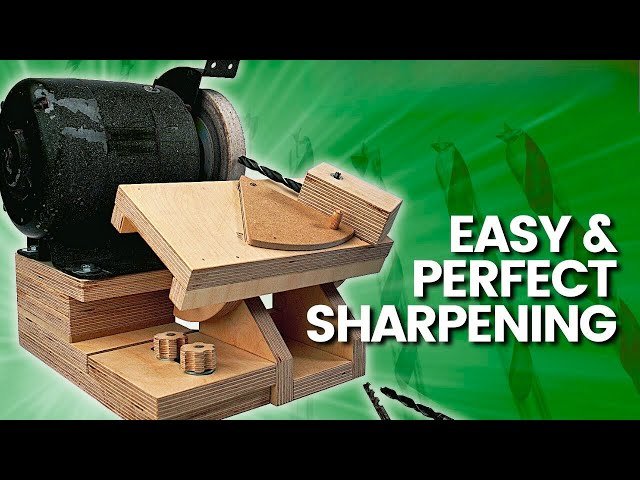
Are your drill bits getting dull and making your projects harder than they should be? Sharpening them can save you money and improve your work’s precision.
You might think it’s complicated, but with a bench grinder, you can quickly bring your drill bits back to life. In this guide, you’ll learn simple, step-by-step techniques to sharpen your drill bits safely and effectively. Keep reading to discover how easy it is to get perfect, sharp bits every time—and make your drilling smoother and faster.
Choosing The Right Bench Grinder
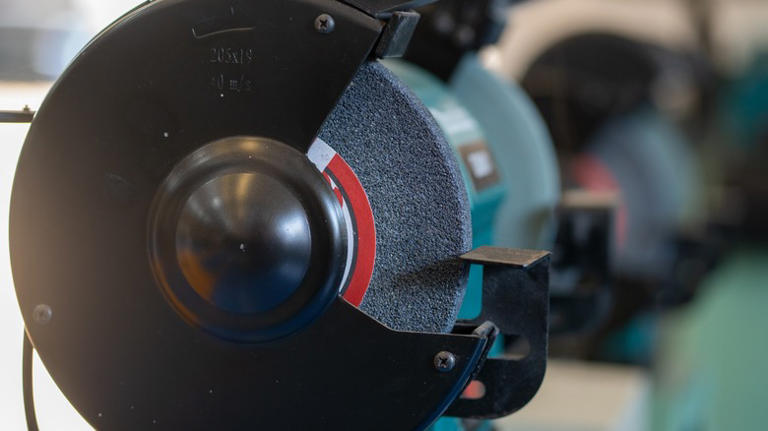
Choosing the right bench grinder is key for sharpening drill bits. There are different types of bench grinders designed for various tasks. Some grinders have a single wheel, while others come with two wheels. Dual-wheel grinders allow you to use different wheels for coarse and fine grinding.
Grinding wheels vary in material and grit size. For drill bits, a medium gritwheel is best. It sharpens without damaging the bit. Wheels made from aluminum oxide work well for steel drill bits. Silicon carbide wheels suit harder metals.
| Type of Bench Grinder | Use | Wheel Type |
|---|---|---|
| Single Wheel | Basic grinding tasks | One grinding wheel |
| Dual Wheel | Versatile, coarse and fine grinding | Two different grinding wheels |
- Aluminum oxide wheels: Best for most steel drill bits
- Silicon carbide wheels: For grinding hard metals
- Medium grit: Balanced for sharpening without damage

Credit: www.msn.com
Preparing Drill Bits For Sharpening
Drill bits must be clean and free of dirtbefore sharpening. Use a cloth or brush to remove any dust or grease. Check the bit for damage or wear. Look closely at the tip and edges for chips or cracks. If the bit is badly damaged, sharpening may not help.
Mark the cutting edgeswith a permanent marker. This helps you see where to sharpen. The dark lines show the exact spots that need grinding. It also keeps the edges even and balanced.
Sharpening Techniques
Set the drill bit angle to about 59 degreesfor most bits. This angle helps keep the cutting edge sharp and effective. Hold the bit steady against the bench grinder.
Lightly press the cutting edge to the grinding wheel. Move the bit back and forth to grind evenly. Avoid grinding too much in one spot.
Check both sides to keep the cutting edges symmetrical. Equal edges cut better and last longer. Turn the drill bit often to grind both sides.
Safety Tips During Sharpening
Wearing protective gogglesshields your eyes from sparks. Use glovesto protect hands from heat and sharp edges. A dust maskprevents inhaling fine particles. Wear ear protectionto reduce noise from the grinder. Avoid loose clothing to prevent accidents.
Hold the drill bit firmly but do not squeeze too hard. Keep fingers away from the grinding wheel. Always turn off the grinder before adjusting or cleaning. Work in a well-lit area to see clearly. Never rush; take your time for better control and safety.
Testing And Final Adjustments
Test the drill bit sharpness by gently running it on a piece of scrap wood. Sharp bits cut cleanlywithout much pressure. Dull bits feel like they drag or slide.
Look closely at the bit edges. Even and smooth edgesmean good sharpening. If you see rough spots or uneven edges, more grinding is needed.
Fine-tune the edges by carefully touching them to the bench grinder. Use light pressure and short bursts to avoid overheating. Keep checking often to prevent over-sharpening.
- Hold the bit at the correct angle to keep the tip shape.
- Use water to cool the bit if it gets too hot.
- Check symmetry by comparing both cutting edges.
Credit: www.msn.com
Common Mistakes To Avoid
Overheating drill bitscan ruin their metal strength. It happens when the bit gets too hot while grinding. To avoid this, dip the bit in water often. This cools it down and keeps the metal hard.
Uneven sharpeningcauses the drill bit to wobble when used. Both cutting edges must be the same size and angle. Use a steady hand and check often. Take small, even passes on the grinder for best results.
Maintaining Your Bench Grinder
Sharpening drill bits with a bench grinder keeps them efficient and precise. Regularly clean and check the grinder’s wheel for smooth operation. Proper maintenance extends the tool’s life and ensures safer, faster sharpening.
Cleaning And Inspection
Keep the bench grinder clean to ensure it works well. Remove dust and metal bits after each use. Check for cracks or damage on the grinding wheel. Inspect the tool rest and spark guard to keep them in place. Tighten loose parts to avoid accidents. Always wear safety glasses during inspection. Regular cleaning helps the grinder last longer.
Replacing Grinding Wheels
Replace grinding wheels if they are worn or cracked. Use the right wheel size for your grinder. Turn off and unplug the grinder before changing wheels. Use a wrench to loosen the wheel nut carefully. Install the new wheel and tighten the nut firmly. Test the grinder at low speed first to check balance. Proper wheel replacement keeps your grinder safe and efficient.

Credit: www.youtube.com
Frequently Asked Questions
How Do You Safely Sharpen Drill Bits On A Bench Grinder?
Always wear safety goggles and gloves before starting. Secure the drill bit firmly. Use light pressure and avoid overheating by cooling often in water. Grind the cutting edges evenly, maintaining the original angle for best results.
What Is The Best Angle To Sharpen Drill Bits?
The optimal sharpening angle for drill bits is typically 59 degrees. This angle ensures efficient cutting and longer bit life. Maintaining this angle during grinding helps the bit penetrate materials smoothly without dulling quickly.
Can Bench Grinders Damage Drill Bits During Sharpening?
Yes, excessive heat from grinding can weaken drill bits. Overheating may cause loss of hardness and reduce durability. To prevent damage, use gentle pressure and cool bits frequently in water while sharpening.
How Often Should Drill Bits Be Sharpened?
Sharpen drill bits when they become dull or lose cutting efficiency. Frequent sharpening extends their life and improves drilling quality. Regular inspection ensures timely maintenance before bits become unusable.
Conclusion
Sharpening drill bits with a bench grinder saves time and money. It keeps your tools working well and makes drilling easier. Always wear safety gear and work carefully to avoid mistakes. Practice the right angle and steady pressure for best results.
With a bit of patience, your drill bits will cut like new. Try this simple method to keep your workshop ready for any job.