
If you want the perfect shot of espresso, grinding your coffee beans just right is key. But how long should you grind to get that rich, bold flavor without bitterness or weak taste?
Getting this timing right can change your entire coffee experience. You’ll discover exactly how long to grind your beans for espresso, so every cup you make tastes like it came from your favorite café. Keep reading—you’re about to unlock the secret to brewing espresso that impresses every time.
Credit: planetarydesign.com
Grind Size And Espresso Quality
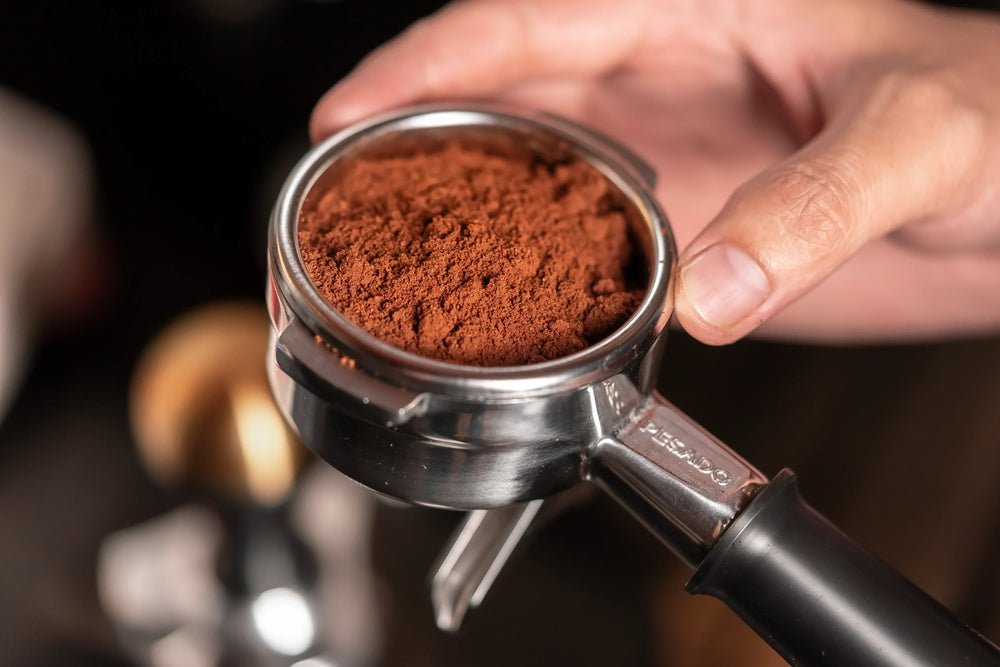
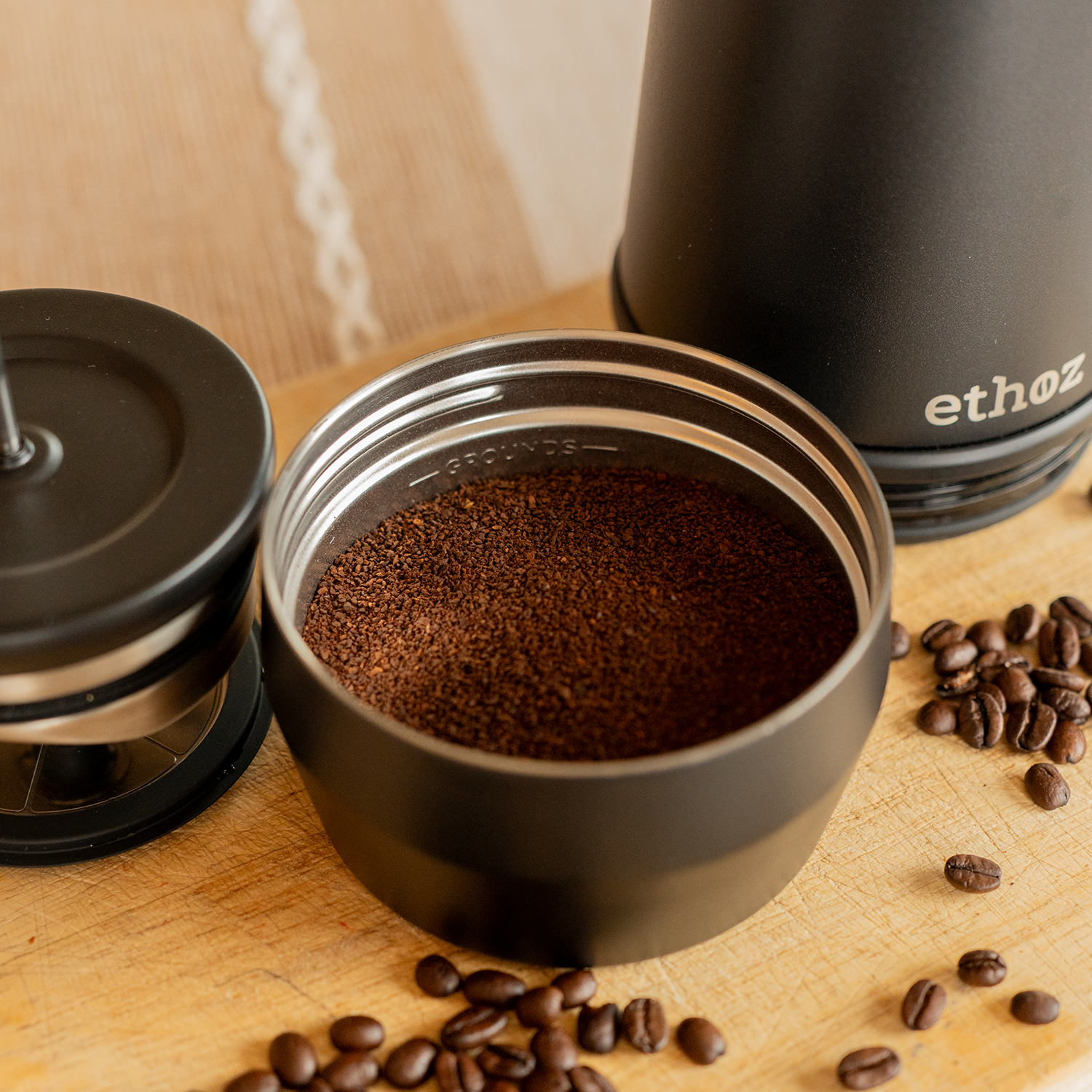
Grind sizeaffects espresso flavor a lot. A fine grindmakes water flow slowly through coffee. This creates a stronger, richer taste. A medium grindlets water pass faster. This results in a lighter, less bitterespresso.
Different beans need different grind sizes. Dark roast beanswork well with a finer grind. Light roast beanstaste better with a slightly coarser grind. Adjusting grind size helps you find the best flavorfor each coffee type.
| Grind Size | Water Flow | Flavor | Best For |
|---|---|---|---|
| Fine | Slow | Strong, rich, bitter | Dark roast, espresso |
| Medium | Faster | Lighter, less bitter | Light roast, milder espresso |

Credit: angelinos.com
Ideal Grinding Time For Espresso
The ideal grinding timefor espresso beans usually ranges from 10 to 20 seconds. This depends on the grinder type and bean roast. A finer grindneeds more time, while a coarser grind takes less.
Grinding too long leads to overgrinding. It makes the coffee taste bitter and harsh. Grinding too short causes undergrinding, which results in weak and sour coffee.
| Factor | Effect on Grinding Time |
|---|---|
| Grinder Type | Burr grinders need more time than blade grinders. |
| Bean Roast | Darker roasts grind faster than light roasts. |
| Desired Grind Size | Finer grind requires longer grinding. |
- Signs of overgrinding:powdery texture, bitter taste.
- Signs of undergrinding:chunky particles, weak flavor.
Choosing The Right Grinder
Blade grinders are usually cheaper but less precise. They chop beans unevenly, which can cause inconsistent espresso flavor. Burr grinders crush beans uniformly between two surfaces. This leads to a consistent grind size, vital for good espresso.
Burr grindersoffer these benefits:
- Even grind size for better extraction
- Adjustable settings for different espresso styles
- Less heat during grinding preserves bean flavor
- Durable and long-lasting parts
Consistency is key for espresso. Burr grinders have settings like fine, medium, and coarse. For espresso, use the fine setting. Grinding time depends on your machine and bean type but usually ranges from 15 to 30 seconds. Keeping settings stable ensures each shot tastes similar.

Credit: www.cibodargento.com
Techniques To Achieve Perfect Timing
Measuring grind time accurately helps get the best espresso. Use a timer to track how long the grinder runs. This ensures the grind stays consistent for each shot.
Adjusting time depends on the dose size. A larger dose needs more grinding time. Smaller doses require less time to avoid over-grinding. Keep notes of time for different doses to repeat results.
- Use a digital timer for precise control.
- Use a scale to weigh beans before grinding.
- Combine timing and weight for perfect espresso.
Troubleshooting Grind Timing Issues
Grind timedirectly affects espresso extraction. A grind that’s too coarse leads to under-extraction. The espresso tastes weak and sour. If the grind is too fine, over-extractionhappens. The shot turns bitter and harsh.
Common problems include uneven shots and slow or fast flow. Uneven grind size causes inconsistent flavor. Adjust grind time to achieve a balancebetween flow rate and taste.
- Shorten grind time for slower flow and stronger taste.
- Increase grind time for faster flow and lighter taste.
- Use a timer to keep grind time consistent.
- Clean grinder regularly to avoid clogging and uneven grind.
| Grind Time | Effect on Extraction | Resulting Flavor |
|---|---|---|
| Too Short | Coarse grind, fast flow | Weak, sour, under-extracted |
| Optimal | Even grind, balanced flow | Rich, balanced, smooth |
| Too Long | Fine grind, slow flow | Bitter, harsh, over-extracted |
Frequently Asked Questions
How Long Should I Grind Coffee Beans For Espresso?
Grind coffee beans for about 10 to 15 seconds for a fine espresso grind. Adjust time based on grinder speed and bean type for optimal extraction.
Does Grind Time Affect Espresso Taste?
Yes, grind time influences particle size, directly affecting espresso flavor. Too long creates bitter shots, too short results in weak, sour espresso.
What Grind Size Is Best For Espresso?
A fine, consistent grind size is best for espresso. It allows proper pressure extraction and balanced flavor in each shot.
Can Grinding Coffee Too Long Damage Espresso Quality?
Yes, over-grinding causes heat buildup, damaging bean oils. This leads to burnt, bitter espresso and uneven extraction.
Conclusion
Finding the perfect grind for espresso is essential. It affects flavor and aroma. Experiment with grind times to suit your taste. A fine grind typically works best for espresso machines. Start with a 20-second grind. Adjust as needed for better results.
Shorter grinds can lead to under-extraction. Longer grinds may cause bitterness. Keep practicing until you find your ideal grind size. Remember, consistency is key. Always grind fresh for the best espresso experience. Your taste buds will thank you. Enjoy your coffee journey!