
If you want the perfect cup of coffee from your French press, the grind size of your beans plays a huge role. But how long should you grind your coffee to get that ideal texture?
Too coarse, and your coffee will be weak and watery. Too fine, and it might taste bitter or clog your press. You’re about to discover exactly how long to grind your beans to unlock the richest flavors and smoothest taste.
Keep reading, and you’ll never settle for mediocre French press coffee again.

Credit: thebasicbarista.com
Grind Size For French Press
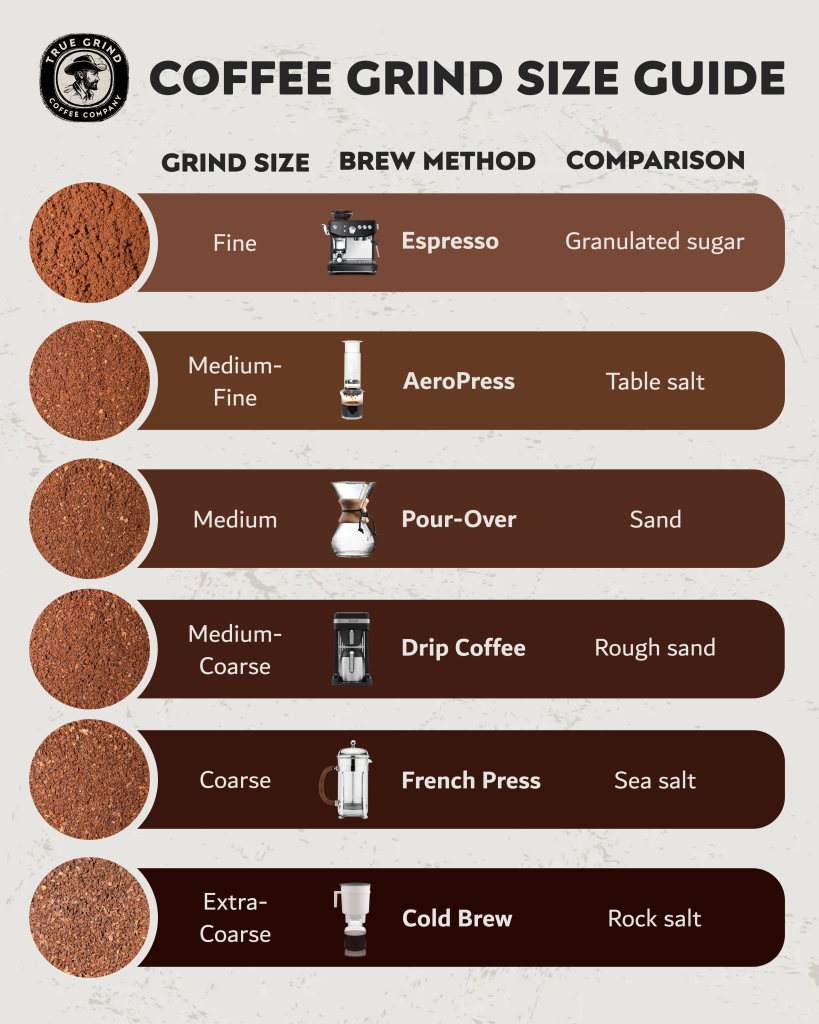
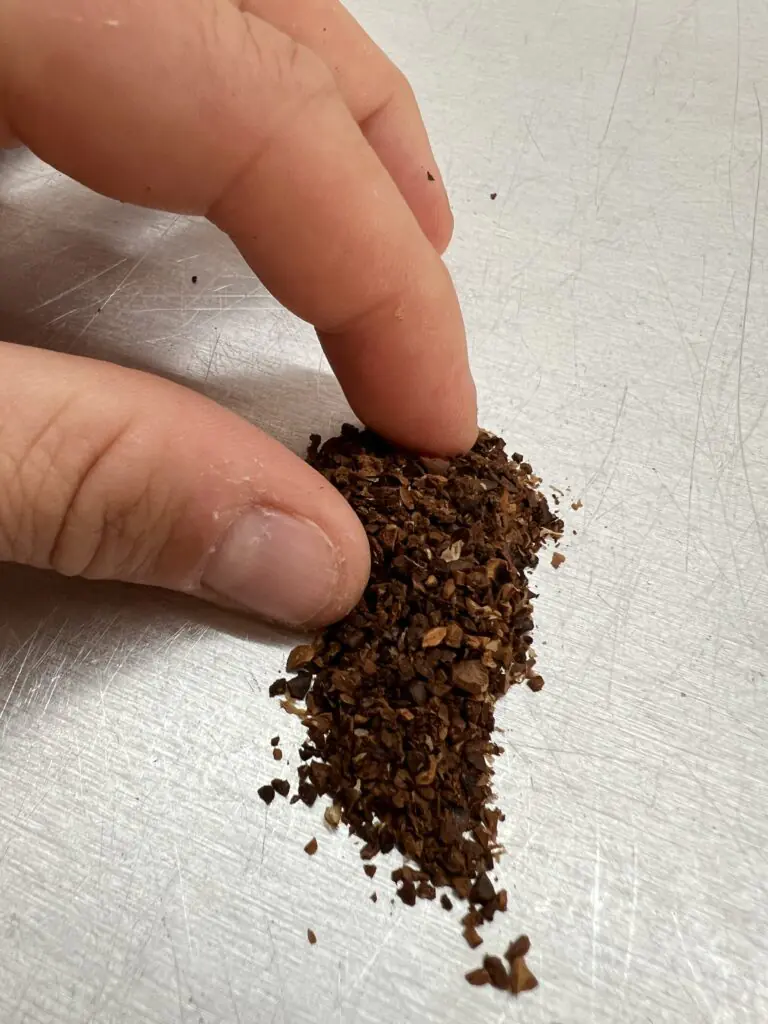
The grind sizeaffects how coffee brews in a French Press. A coarse grindhas large, chunky pieces. It allows water to flow freely and helps avoid over-extraction. This grind gives a clean, rich flavorwith less bitterness.
A medium grindis finer and closer to table salt size. It extracts faster but can cause grittinessand some bitterness. This grind may clog the filter and make the coffee muddy.
Extraction depends on grind size and brewing time. Coarse grinds need about 4 minutesto extract well. Medium grinds extract faster but risk over-extraction if brewed too long.
- Coarse grind: chunky, less bitter, smooth taste.
- Medium grind: finer, faster extraction, can be bitter.
- Grind too fine: clogs filter, muddy coffee.
- Grind too coarse: weak, under-extracted coffee.
Credit: batchcoffee.co.uk
Optimal Grind Time
Grinding coffee for a French Press requires a coarse and consistenttexture. Manual grinding typically takes around 30 to 60 secondsfor a cup, depending on the grinder’s quality and your speed.
Electric grinders offer settings for coarseness. Choose the coarsest setting that produces large, even particles. Grinding usually lasts 10 to 20 secondsfor one cup, but timing varies by model.
| Bean Type | Recommended Adjustment |
|---|---|
| Light Roast | Grind a bit coarser to avoid bitterness |
| Medium Roast | Standard coarse grind works well |
| Dark Roast | Grind slightly finer for richer flavor |
Grinding Techniques
The pulse grinding methodinvolves short bursts of grinding. It helps control the grind size better than continuous grinding. This method prevents overheating beans, which can ruin the flavor. The pulses let the grinder cool down between bursts.
Evenness and uniformityin grind size are key for a good French press brew. Uneven grounds cause over-extractionor under-extraction. Pulse grinding creates more consistent grounds than long grinding.
| Aspect | Why It Matters | Pulse Grinding Benefit |
|---|---|---|
| Evenness | Ensures balanced flavor | Produces uniform grounds |
| Overheating | Can damage beans and flavor | Reduces heat by breaks |
| Control | Allows precise grind size | Easy to stop and check |

Credit: www.beanground.com
Effects Of Grind Time On Flavor
Under-grindingmeans the coffee grounds are too big. This causes water to pass quickly, making the coffee weakand sour. The flavors don’t mix well, so it tastes thin. The brew may feel watery and lack richness.
On the other hand, over-grindingmakes grounds very small. This can cause bitteror harshflavors. The coffee might taste muddyor over-extracted. Over-fine grounds can also clog the French press filter, making pressing hard.
- Boldnesscomes from finer grounds and longer steep time.
- Smoothnessneeds coarser grind and proper brewing.
- Finding balance is key for a pleasant taste.
Tools For Precise Grinding
Choosing the right grinder helps achieve the perfect grind sizefor your French press. Burr grinders are preferred for their consistent and uniform grind. Blade grinders may cause uneven particle sizes, which affects the brew.
Grind time varies by grinder type and settings. For burr grinders, a coarse grindusually takes around 10-15 seconds. The key is to grind just enough to avoid over-extraction or weak coffee.
Regular cleaning and maintenancekeep the grinder working well. Remove old coffee grounds and oil buildup to maintain grind consistency. This also helps preserve the grinder’s lifespan and coffee flavor.
Tips For Consistent Results
Measuring grind sizeis key for a good French press. The grind should be coarse, about the size of sea salt. Too fine, and the coffee will taste bitter and muddy. Too coarse, and it will be weak and watery. Use a simple ruler or compare to known objects to check size. Consistency matters more than exact time.
Timing your grinddepends on your grinder type. Manual grinders may take longer, about 30-60 seconds per batch. Electric grinders are faster, usually 10-20 seconds. Watch the texture, not just the clock. Stop grinding once the coffee looks evenly coarse.
Trial and error approachhelps find your perfect grind. Start with a medium-coarse setting. Brew and taste. If too bitter, grind coarser next time. If too weak, go finer. Keep notes to remember your best results. Small changes make a big difference.
Frequently Asked Questions
How Long Should I Grind Coffee For French Press?
Grind coffee beans for about 10 to 20 seconds using a burr grinder. Aim for a coarse, even texture. This ensures optimal extraction and a balanced flavor in your French Press brew.
What Grind Size Works Best For French Press?
A coarse grind size is best for French Press. It prevents over-extraction and bitterness. The grounds should resemble sea salt for the perfect brew.
Can Grinding Time Affect French Press Taste?
Yes, grinding time directly affects taste. Too fine results in bitter coffee. Too coarse leads to weak flavor. Proper timing ensures a rich, smooth cup.
Should I Use A Burr Or Blade Grinder?
A burr grinder is recommended for French Press. It produces uniform coarse grounds. Blade grinders create uneven particles, causing inconsistent extraction and flavor.
Conclusion
Brewing the perfect French press coffee takes practice. Start with a medium-coarse grind. Adjust to your taste preference. Too fine, and it gets bitter. Too coarse, and it’s weak. Experiment with grind size and brew time. Each adjustment changes flavor.
Enjoy discovering your perfect cup. Remember, patience is key. Consistency brings satisfaction. Happy brewing!