
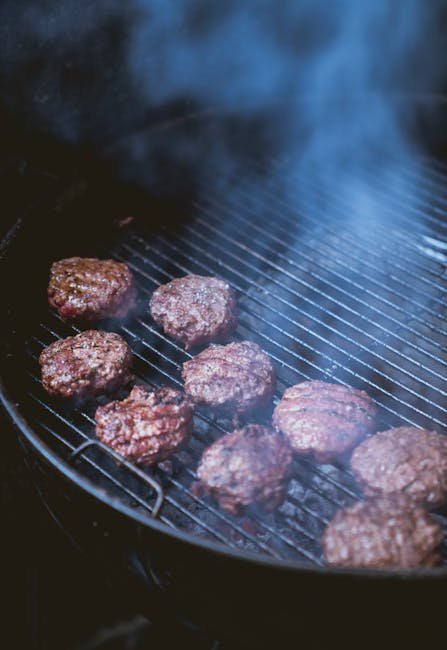
When it comes to making the perfect burger, one detail can make all the difference: how many times you grind your meat. You might think it’s a simple step, but getting it right can change the texture, flavor, and juiciness of your burger completely.
Wondering whether to grind your meat once, twice, or even more? Keep reading, because understanding this small but powerful trick will help you create burgers that impress every time. Your next bite could be the best one yet.
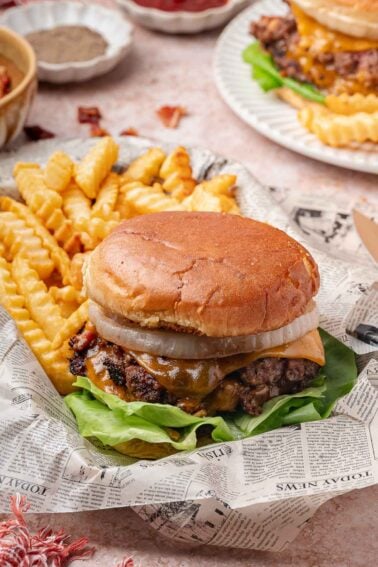
Credit: girlcarnivore.com
Choosing The Right Meat
Choosing the right meat is key to tasty burgers. Beef is the most popular choice. It gives a rich, juicy flavor. Pork and lamb add unique tastes but are less common. Mixing meats can create new flavors.
Fat contentaffects both flavor and texture. Burgers need enough fat to stay juicy. A fat content of about 20% works well. Lean meat can make burgers dry. Too much fat can cause flare-ups on the grill.
Using fresh meatis best for grinding. It keeps the flavor pure and texture firm. Frozen meat can work but may be softer after thawing. Thaw frozen meat properly to keep it safe and tasty.
Grinding Basics
Single grindmeans passing meat through the grinder once. This keeps the meat pieces larger and more textured. Burgers made from a single grind are juicy and have a chewy bite. It is best for those who like a classic burger feel.
Double grindmeans running the meat through the grinder twice. This makes the meat finer and mixes fat and lean parts well. It creates a better texture and helps burgers hold together nicely. Most burger recipes use this method.
Triple grind and beyondis less common but can create very smooth meat. It works well for mixing spices and making patties uniform. Too many grinds may make the burger dense and less juicy. Use this method for special recipes or sausage-style burgers.
Impact On Texture
Grinding meat multiple times creates a finer texture, making burgers tender and juicy. Over-grinding can lead to a mushy feel, so balance is key.
Coarse Vs. Fine Grind
Coarse grindgives a chunkier texture. It creates patties that hold juices well. Fine grindmakes meat tighter and denser. Patties feel softer but can lose some juiciness.
Effect On Patty Juiciness
Grinding meat more than once can help spread fat evenly. This keeps the patty moist. Over-grinding can cause fat to melt out faster. That makes burgers dry.
Binding And Tenderness
Fine grind helps meat stick together better. Patties are less likely to fall apart. Coarse grind may need extra binding agents like egg or breadcrumbs. Tenderness depends on grind size and how much you handle the meat.

Credit: kitchenlaughter.com
Equipment And Techniques
Choosing a grinderaffects the texture and taste of burgers. Manual grinders give control but take effort. Electric grinders save time and work well for large batches. Look for models with different plate sizes to adjust grind coarseness. Stainless steel parts ensure durability and easy cleaning.
Grinding speed and temperaturematter for meat quality. Grinding too fast heats meat, causing fat to melt and change flavor. Use slow or medium speed to keep meat cold. Chill meat and grinder parts before use. Cold meat stays fresh and binds better in burgers.
Cleaning and maintenancekeep grinders safe and long-lasting. Disassemble all parts after use. Wash with warm, soapy water and dry well. Oil metal parts lightly to stop rust. Regular cleaning prevents bacteria and keeps the grinder working smoothly.
Forming The Perfect Patty
Patty size and thickness affect cooking time and taste. A good burger patty is about 4 to 6 ounces. Thickness should be around 3/4 inchfor even cooking. Thicker patties take longer to cook and may stay raw inside. Thin patties cook fast but can dry out.
Handle meat gently. Overworking makes patties tough. Lightly shape meat into a ball, then press it flat. Avoid squeezing too hard. Make a small dimplein the center to stop puffing up while cooking.
- Use cold meat for easier shaping.
- Keep hands wet to stop sticking.
- Don’t add too many spices before shaping.
Cooking Tips For Juicy Burgers
Grind meat twicefor the best burger texture. Grinding once leaves big chunks. Grinding twice breaks meat into smaller bits. This helps mix fat and leanmeat well. It creates a juicy and tender burger.
| Doneness | Internal Temperature |
|---|---|
| Rare | 120-125°F (49-52°C) |
| Medium Rare | 130-135°F (54-57°C) |
| Medium | 140-145°F (60-63°C) |
| Well Done | 160°F+ (71°C+) |
Let burgers rest for 3-5 minutes after cooking. This helps juices settleinside the meat. Cutting too soon makes juices run out. Resting keeps burgers moist and flavorful.
- Using meat with too little fat makes burgers dry.
- Pressing burgers while cooking squeezes out juices.
- Cooking on high heat can burn outside, raw inside.
- Not letting burgers rest causes dry texture.
Customizing Your Grind
Blending different cuts of meat can create a better burger. Use a mix of fatty and lean cuts for juiciness and flavor. Common choices include chuck, brisket, and short rib. Grinding these together results in a richer taste and texture.
Seasonings add flavor before or after grinding. Simple salt and pepper work well, but you can add garlic powder, onion powder, or paprika. Mix seasonings evenly to enhance every bite.
Experimenting with grind sizes changes the burger’s texture. A coarse grind gives a chunkier, meatier bite. A fine grind creates a smoother, more uniform patty. Some prefer grinding twice for a balanced texture.
Troubleshooting Common Issues
Dry or tough pattieshappen when meat is over-ground or overworked. Grinding meat too many timescan cause loss of fat. Fat keeps burgers juicy and soft. Use a coarse grindfor a better texture. Don’t press patties too hard while shaping.
Patty falling apartoccurs if meat is ground only once or not mixed well. Grinding twice helps bind meat better. Adding a little cold water or egg can help hold patties. Chill patties before cooking to keep shape.
Inconsistent textureresults from uneven grinding or mixing different meat cuts. Use a single grindfor uniform pieces, or grind twice for finer texture. Keep meat cold during grinding. Mix gently to avoid tough spots.

Credit: www.youtube.com
Frequently Asked Questions
How Many Times Should Meat Be Ground For Burgers?
Grinding meat twice is ideal for burgers. It ensures even texture and better flavor. Over-grinding can make patties dense and tough.
Why Is Double Grinding Meat Better For Burgers?
Double grinding breaks meat into smaller pieces. It creates a tender, juicy burger with consistent texture. This method blends fat and lean meat perfectly.
Can I Grind Meat Once For Burgers?
Yes, single grinding is possible but less ideal. It may result in uneven texture and less juicy burgers compared to double grinding.
Does Grinding Frequency Affect Burger Texture?
Yes, more grinding leads to finer, smoother texture. Less grinding keeps a coarser, chunkier bite. Two times grinding strikes a perfect balance.
Conclusion
Choosing the right grind is key for great burgers. Grinding meat twice is usually best. It gives a good texture and holds juices well. First grind is coarse, second makes it finer. This balance makes a juicy, flavorful burger. Experiment to find your perfect grind.
You might prefer a single grind for a chunkier bite. Or a third grind for extra smoothness. Each choice affects the burger’s taste and feel. Enjoy crafting your perfect patty. Happy grilling!