
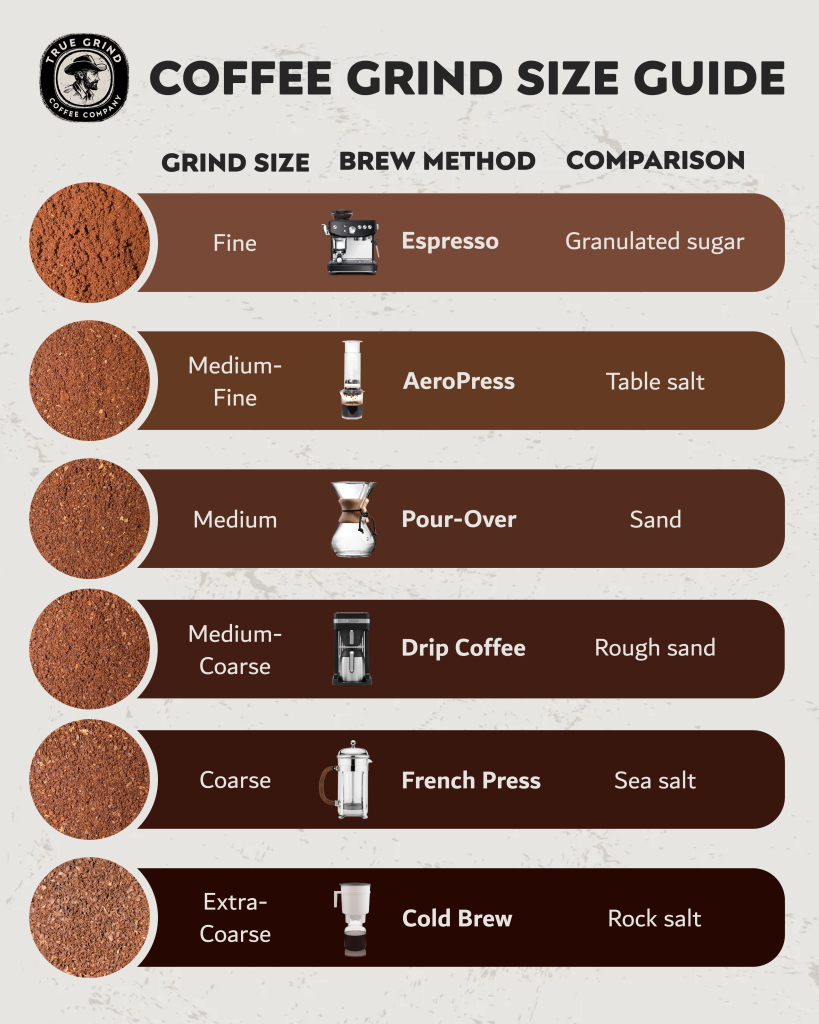
Choosing the right grind size for your French Press can make all the difference between a perfect cup of coffee and a bitter disappointment. If you want rich flavor and smooth texture, you need to get this just right.
But how do you know which grind size works best for your French Press? You’ll discover simple tips that help you master the grind size and unlock the full potential of your coffee. Keep reading to make every sip truly enjoyable.

Credit: colipsecoffee.com
French Press Basics
The French Press uses a simple method to brew coffee. Coarse coffee grounds steep in hot water for several minutes. Then, a plunger with a mesh filter pushes the grounds down. This separates the coffee from the water.
Choosing the right grind size is very important. Too fine a grind can clog the filter and make coffee bitter. Too coarse a grind will make the coffee weak and watery. A medium-coarse grind works best for a balanced taste.
Proper grind size helps with:
- Good extraction of flavors
- Easy pressing of the plunger
- Clear coffee without too much sediment
Grind Size Options
Coarse grindlooks like sea salt. It has big, rough pieces. This grind stops coffee grounds from passing through the French Press filter. It makes brewing easy and clean. Coarse grind gives a smooth, rich taste with less bitterness. It needs more brewing time, about 4 minutes or more.
| Medium Grind | Coarse Grind |
|---|---|
| Looks like sand, smaller pieces | Looks like sea salt, bigger pieces |
| Can pass through filter, causing sediment | Less sediment, cleaner cup |
| Brews faster, about 3 minutes | Needs longer brew, about 4+ minutes |
| Tends to be more bitter | Smoother, less bitter taste |
Fine grindis very small, like flour. It clogs the French Press filter. This causes pressure and bitterness. Fine grind coffee tastes harsh and gritty. It is not good for French Press brewing.
Choosing The Right Grind
Grind sizeaffects how fast coffee brews in a French Press. Coarse grinds work best for longer brew times, around 4 minutes. Fine grinds can make coffee bitter and hard to press.
Water temperature matters too. Hot water extracts flavors faster, so a medium-coarse grind is good at 200°F (93°C). Cooler water needs a finer grind to get enough flavor.
| Bean Type | Roast Level | Recommended Grind |
|---|---|---|
| Arabica | Light Roast | Medium-Coarse |
| Arabica | Dark Roast | Coarse |
| Robusta | Light Roast | Medium-Coarse |
| Robusta | Dark Roast | Coarse |

Credit: somethingsbrewing.in
Grinding Techniques
Burr grindersgive a consistent, even grind size. This helps extract the best flavor from your coffee. You can adjust settings easily to get the perfect coarse grind for French press.
Blade grinderscut beans unevenly. They produce a mix of fine and coarse bits. Stir the grounds after grinding to reduce clumps. Grind in short bursts to avoid overheating the beans.
Grinding fresh coffeejust before brewing keeps flavors strong. Ground coffee loses taste quickly. Store beans in an airtight container to keep them fresh longer.
Troubleshooting Brew Issues
Avoid over-extractionby choosing a coarser grind for French Press. Fine grounds extract too much, causing bitter taste. Coarse grounds release flavors slowly, giving a smoother cup.
Prevent sedimentby using a grind size that is not too fine. Fine particles pass through the mesh filter and make your drink gritty. Try a slightly coarser grind to keep your cup clean.
Adjust for tasteby changing grind size based on preference. Use coarser grounds for mild flavor. Use finer grounds for stronger taste. Experiment in small steps to find your perfect brew.
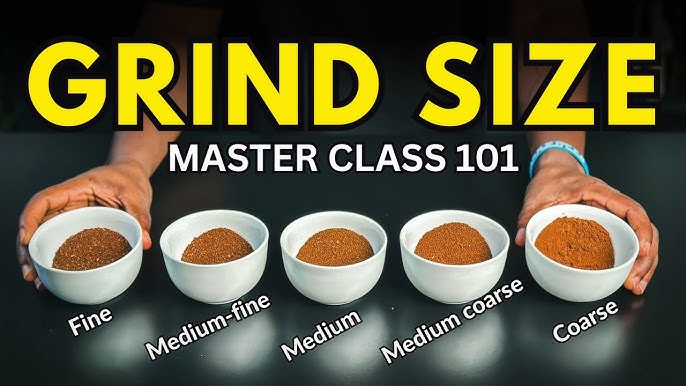
Credit: www.youtube.com
Experimenting With Grind Size
Testing grind size is fun. Use different settings on your grinder. Make small changes to the grind. Notice how it affects the flavor. Some grinds make coffee strong. Others make it clear. Record each change you make. Write down how it tastes.
Recording Results
Keep a notebook handy. Write about each grind you try. Include the size and taste. Note if the coffee is too bitter. Or if it is too weak. This helps in finding the right grind. Make sure to note your preferences.
Incremental Adjustments
Change the grind size slowly. Do not make big changes at once. Small tweaks help find the best flavor. It might take some time. But it will be worth it. Try to adjust a little each time. This helps in understanding the perfect grind.
Balancing Strength And Clarity
Finding the right balance is key. Too strong can be overpowering. Too clear might lack flavor. Aim for a middle ground. A good French Press needs balance. Taste often to find what you like. This balance makes the perfect cup.
Frequently Asked Questions
What Grind Size Is Best For French Press Coffee?
Coarse grind is ideal for French press. It allows slow extraction and prevents over-extraction. This grind size helps avoid muddy coffee and ensures a smooth, rich flavor.
How Does Grind Size Affect French Press Taste?
Grind size controls extraction rate. Coarse grounds extract slowly, producing balanced flavor. Fine grounds extract too fast, causing bitterness and sediment in the brew.
Can I Use Medium Grind In French Press?
Medium grind is not recommended. It clogs the French press filter and results in gritty coffee. Coarse grind ensures proper filtration and clean taste.
Why Choose Coarse Grind For French Press Brewing?
Coarse grind prevents coffee grounds from passing through the mesh filter. It allows optimal steeping time and enhances flavor clarity without over-extraction.
Conclusion
Choosing the right grind size makes a big difference in French Press coffee. Coarse grounds give a smooth, rich taste without bitterness. Too fine a grind can cause over-extraction and make your coffee bitter. Experiment with grind sizes to find what suits your taste best.
Remember, fresh coffee and clean equipment also matter. Enjoy the process and your perfect cup of French Press coffee every time.