
If you love making espresso at home, you know how important it is to keep your machine ready to go. But what happens when the water runs low?
Knowing exactly how to refill water in your espresso machine can save you time and frustration. In this guide, you’ll discover simple steps to keep your machine working perfectly every time. Keep reading, and you’ll never have to worry about a dry shot again!
Choosing The Right Water
Choosing the right water is very importantfor your espresso machine. Water quality affects the tasteand the machine’s life. Tap water is easy to use but may contain minerals and chemicals. These can cause scale build-upinside the machine. Filtered water removes many of these impurities, making it a better choicefor espresso machines.
Soft water or water with balanced minerals helps extract good flavorfrom coffee. Too much mineral content can block pipes and damage parts. Using filtered water reduces maintenance needsand keeps your machine working well for longer.
| Type of Water | Pros | Cons |
|---|---|---|
| Tap Water | Easy to access, no extra cost | Contains minerals and chemicals, can cause scale |
| Filtered Water | Removes impurities, better for machine | May require filter purchase and maintenance |

Credit: www.reddit.com
Locating The Water Reservoir
The water reservoiris key for your espresso machine. It holds the water needed for brewing. Reservoirs often sit in easy-to-reach spots. Common spots include:
- Back of the machine
- Side panel
- Underneath a lid on top
Careful removal keeps the machine safe and clean. Pull the reservoir gently to avoid damage. Some models have a button or latch to release it. Avoid spilling water on the machine’s electronics.
Preparing The Water
Water should be at the right temperaturefor the best espresso taste. Use water between 60°C to 70°C (140°F to 160°F). Too hot water can burn the coffee grounds. Too cold water will not extract flavors well.
Keep water clean to avoid bad tasteor machine damage. Always use fresh, filtered water. Avoid using water with strong odorsor chemicals. Dirty water can clog the espresso machine and cause problems.
Refilling The Reservoir
First, remove the water reservoir from the espresso machine carefully. Use fresh, cold water to fill the reservoir. Fill it up to the maximum level mark. Avoid overfilling to prevent water spills.
Place the reservoir back firmly in its position. Ensure it fits well and does not wobble. This helps the machine work properly.
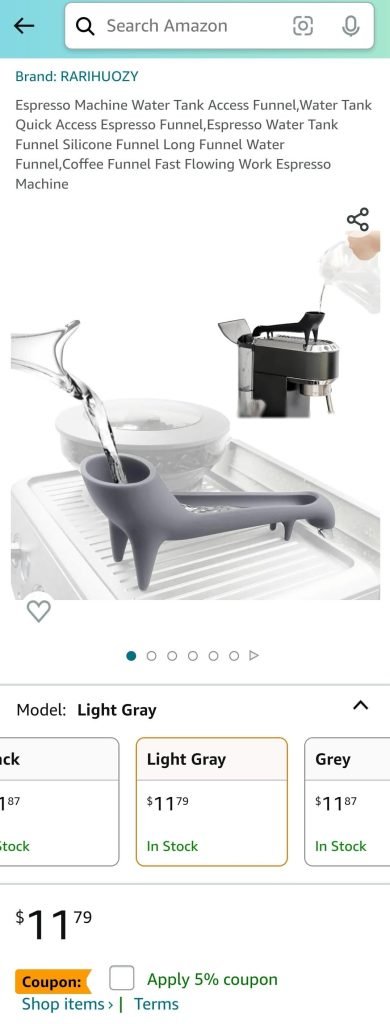
- Use a funnel to pour water smoothly without spills.
- Fill the reservoir on a flat surface to keep balance.
- Do not fill with hot water; always use cold or room temperature water.
- Wipe any water drips immediately to avoid slipping hazards.
- Check for cracks or damage in the reservoir before refilling.
Maintaining Your Espresso Machine
Keeping the water reservoir cleanis key for good coffee taste. Empty the tank and rinse it with warm water. Avoid using soap, as it can leave residue. Wipe the reservoir with a soft cloth to remove any dirt or build-up. Fill it with fresh, cold water before each use.
Descaling the machine removes mineral build-upthat can block water flow. Use a descaling solution or vinegar diluted with water. Follow the machine’s instructions to run the descaling cycle. Doing this regularly keeps the machine working well and prevents damage.

Credit: two2brew.com
Troubleshooting Water Issues
Refilling an espresso machine is simple. First, locate the water reservoir. Remove the lid and fill with fresh water. Ensure it’s not overfilled. Close the lid securely. Your machine is ready for brewing delightful espresso shots. Regularly check and refill to maintain optimal performance.
Machine Not Filling Properly
The espresso machine might not fill due to a blocked water line. Check if the water tank is securely placed. Ensure the water tank is not empty. The machine’s water pump could also be faulty. Listen for unusual sounds from the pump. Clean any blockages in the water line. Use a soft brush to clear any debris. Regular maintenance can prevent these issues.
Water Leaks And Fixes
Water leaks are often due to loose connections. Tighten any loose hoses or fittings. Inspect the water tank for cracks. A cracked tank needs replacement. Check seals and gaskets for wear. Replace them if worn out. Leaks can also be from overfilled tanks. Ensure the water level is below the max line.

Credit: www.reddit.com
Frequently Asked Questions
How Often Should I Refill Water In My Espresso Machine?
Refill the water tank daily if you use the machine frequently. Always keep the water level above the minimum mark to ensure consistent brewing. Clean and refill the tank with fresh water to maintain espresso quality and machine longevity.
What Type Of Water Is Best For Espresso Machines?
Use filtered or bottled water to avoid mineral buildup. Hard water can cause scale, damaging your machine. Avoid distilled water, as it lacks minerals needed for proper extraction and taste.
Can I Use Hot Water To Refill The Espresso Machine?
No, use cold or room temperature water only. Hot water can damage the machine’s internal parts and affect brewing quality. Always refill with fresh, cold water for optimal performance.
How Do I Avoid Water Spillage When Refilling?
Remove the water tank carefully and refill it on a flat surface. Avoid overfilling and use a funnel if needed to prevent spills. Wipe any spills immediately to keep the machine clean and safe.
Conclusion
Refilling water in your espresso machine keeps it working well. Always use clean, fresh water for the best taste. Fill the tank carefully to avoid spills or damage. Regular refills help your machine make great coffee every time. Remember to check water levels before each use.
This simple step saves time and prevents machine problems. Enjoy your espresso with confidence and ease. Keep your machine ready for the perfect cup, day after day.