
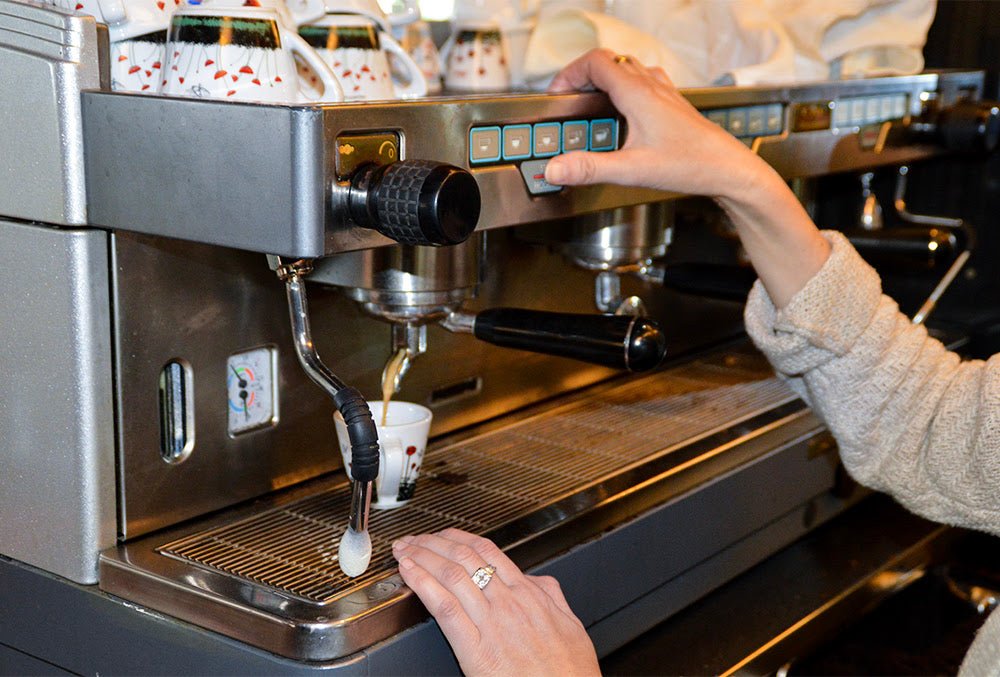
You already know that making a perfect espresso is an art. But are you truly unlocking the full potential of your espresso machine?
If you want to master every detail and brew coffee that impresses even the toughest critics, this guide is for you. By the end, you’ll discover insider tips and expert techniques that turn your routine into a rich, flavorful experience.
Ready to elevate your espresso game and enjoy coffee like never before? Let’s dive in and explore how to use your espresso machine like a pro.
Choosing The Right Espresso Machine
Choosing between manualand automatic espresso machinesdepends on skill and control. Manual machines give full control over brewing. Experts can adjust pressure and timing precisely. Automatic machines offer convenience and speed. They use programmed settings for consistent results. Both types have pros and cons based on user needs.
| Key Features for Experts | Details |
|---|---|
| Pressure Control | Adjustable pressure for perfect extraction |
| Temperature Stability | Consistent heat to avoid bitterness |
| Grind Size Compatibility | Works well with fine espresso grind |
| Durability | Strong materials for long use |
Maintenance is key for all espresso machines. Regular cleaning stops buildup and keeps taste pure. Experts should clean group heads, portafilters, and steam wands often. Descaling helps remove mineral deposits. Proper care extends machine life and keeps coffee quality high.

Credit: lifeboostcoffee.com
Selecting And Grinding Beans
Bean varietiesaffect the flavor and strength of espresso. Arabica beans are smooth and sweet, while Robusta beans are stronger and more bitter. Blends mix these beans for balance.
Grind size is very important. Espresso needs a fine, consistent grindto get the right flavor and crema. Too coarse or uneven grind makes weak or bitter espresso.
| Grind Size | Effect on Espresso |
|---|---|
| Too Fine | Slow extraction, bitter taste |
| Perfect Fine | Balanced flavor, rich crema |
| Too Coarse | Fast extraction, weak taste |
Keep beans freshin an airtight container. Store in a cool, dark place. Avoid sunlight and heat. Grind beans just before brewing for the best taste.
Mastering The Coffee Dose
Accurate coffee doseis key for rich espresso flavor. Use a digital scaleto measure coffee grounds. A typical dose ranges from 18 to 20 grams. Small changes affect taste strongly.
Adjust dose for strength. More coffee means stronger, bolder taste. Less coffee results in lighter, milder flavor. Experiment to find your perfect balance.
Tamping pressureimpacts water flow and extraction. Aim for firm, even pressure around 30 pounds. Use a tamper that fits your portafilter snugly. Uneven tamping causes channeling, leading to weak espresso.
| Aspect | Recommendation | Effect on Coffee |
|---|---|---|
| Measuring Dose | 18-20 grams on digital scale | Consistent flavor and strength |
| Adjusting Dose | Increase for bold, decrease for mild | Changes espresso intensity |
| Tamping Pressure | Firm, even 30 pounds | Better extraction, no channeling |
Optimizing Extraction
Water temperature controlis key for good espresso. Ideal temperature stays between 90°C and 96°C. Too hot water burns coffee, too cold water makes it sour. Use a machine with stable temperature settings for best taste.
Pressure settingsaffect how coffee oils and flavors come out. Most machines work best at 9 bars of pressure. Lower pressure causes weak coffee, higher pressure can make it bitter. Adjust pressure carefully for balanced espresso.
Shot timing and yieldcontrol espresso strength and taste. A normal shot takes about 25 to 30 seconds. Yield means the amount of coffee collected, usually 25 to 30 mlfor a single shot. Too short or too long changes flavor and texture.
Advanced Frothing And Texturing Milk
Steaming milkneeds a steady hand and close attention. Begin with cold milk to keep control. Insert the steam wand just below the surface to create a gentle whirlpool. This action helps mix air evenly, creating a smooth texture.
Milk typesaffect frothing results. Whole milk offers creamy texture and rich flavor. Skim milk creates lighter, foamier froth but less creamy. Almond or soy milk need careful steaming to avoid burning. Ideal temperature is between 140°F and 160°F. Above this, milk loses sweetness and may scald.
Microfoam is tiny, tight bubbles that make milk shiny and smooth. Achieve it by controlling air intake during steaming. The milk should feel warm, not hot, and pour like liquid silk. This texture is perfect for latte art and smooth drinks.

Credit: somethingsbrewing.in
Cleaning And Maintenance Routines
Regular cleaning keeps your espresso machine working well and tasting great. Wipe the steam wand, empty the drip tray, and descale often to avoid buildup. Routine care helps your machine last longer and brew better coffee every time.
Daily Cleaning Tasks
Wipe the espresso machine with a damp cloth. Remove coffee grounds daily. Clean the drip tray and water reservoir. Empty and rinse the portafilter. Keep the steam wand spotless. Use a brush for small parts. Make sure to dry everything well. This prevents mold and bacteria.
Descaling Procedures
Descale your machine every month. Use a special descaling solution. Fill the water tank with the solution. Run the machine without coffee. Let the solution pass through. Rinse with clean water twice. This keeps the machine’s pipes clear. It helps in maintaining good coffee taste.
Troubleshooting Common Issues
- Machine not turning on? Check the power plug.
- Water not heating? Ensure the heating element works.
- Weak coffee? Adjust grind size or tamp pressure.
- Steam wand blocked? Clean it with a needle.
Experimenting With Flavors And Techniques
Exploring different coffee beans and adjusting grind size can enhance your espresso’s flavor. Trying various milk frothing techniques creates unique textures and tastes. Experimentation helps discover new favorites and personal coffee styles.
Adjusting Grind And Dose
Find the perfect grind sizefor your beans. Too fine clogs the machine. Too coarse makes the coffee weak. Adjust the doseto balance strength and flavor. Use a scaleto measure coffee accurately. Small changes can impact taste. Practice often for better results.
Pressure Profiling
Pressure profiling changes how water flows through coffee. Try different settings to see what you like. Lower pressure extracts more flavors. Higher pressure can make coffee bitter. Experiment with different times and levels. This helps in finding your unique taste.
Alternative Milk Options
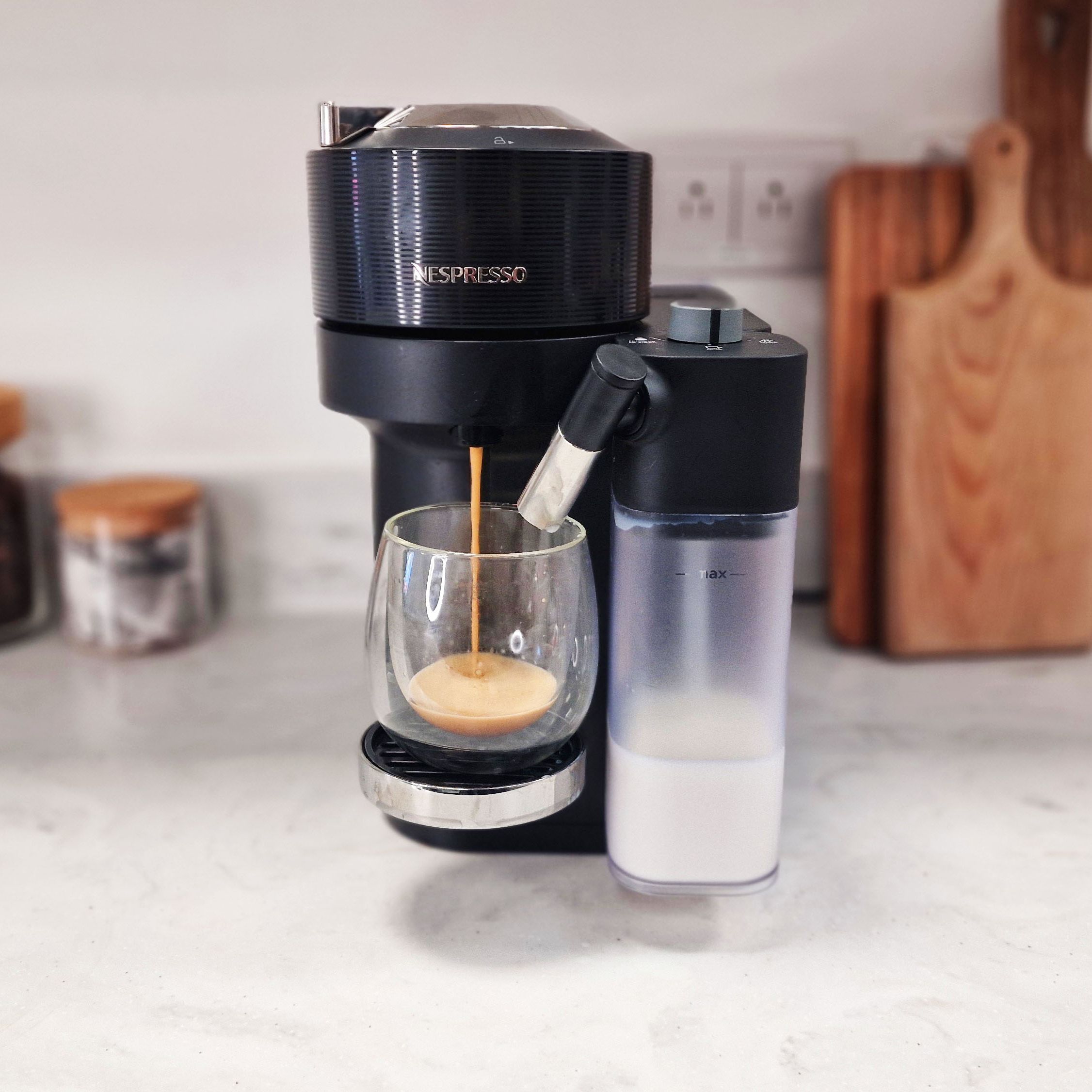
Use alternative milkslike almond, oat, or soy. These change the taste and texture of coffee. Heat carefully to avoid curdling. Froth them for a creamy touch. Each milk type offers a different flavor. Find the one that suits your taste best.
Credit: www.tomsguide.com
Frequently Asked Questions
How Do Experts Grind Coffee For Espresso Machines?
Experts use a fine, consistent grind size for espresso. This ensures optimal extraction and rich flavor. Burr grinders are preferred for precise control and uniformity.
What Water Temperature Is Best For Espresso Machines?
The ideal water temperature is between 195°F and 205°F (90-96°C). This range extracts flavors without bitterness or sourness, ensuring a balanced espresso shot.
How To Tamp Coffee Grounds Correctly For Espresso?
Apply firm, even pressure with a tamper to compress grounds. Proper tamping creates resistance for water, resulting in a smooth, rich espresso extraction.
How Often Should Espresso Machines Be Cleaned?
Clean your espresso machine daily, including group heads and portafilters. Regular deep cleaning monthly prevents buildup, maintaining taste and machine longevity.
Conclusion
Using an espresso machine well takes practice and care. Focus on grind size, water temperature, and tamping pressure. Clean your machine regularly to keep flavors fresh. Experiment with different beans to find your favorite taste. Small details make a big difference in each cup.
Enjoy the process as you brew your perfect espresso. Keep learning, and your skills will grow over time. Your coffee moments will become more satisfying and enjoyable.