
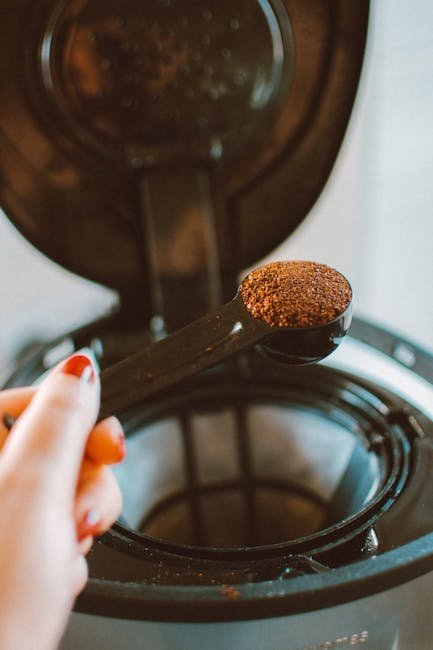
Getting the perfect cup of coffee starts with one simple step: measuring your coffee grounds accurately. If you’ve ever wondered why your coffee tastes too bitter or too weak, the problem might be in how you measure your grounds.
You don’t need fancy tools or complicated methods to get it right. You’ll discover easy and effective ways to measure your coffee grounds every time. By mastering this, you’ll unlock richer flavors and a better coffee experience with every brew.
Keep reading to find out how to make every cup just the way you like it.

Credit: kauaicoffee.com
Choosing The Right Scale
Digital scalesshow precise weight with numbers. They are easy to read and offer quick results. Analog scalesuse a dial and needle. They may be less accurate but do not need batteries.
Important featuresinclude a clear display, tare function, and small measuring units. The tare button lets you reset the scale to zero after placing a container. Look for scales that measure in grams for best coffee results.
| Feature | Why It Matters |
|---|---|
| Precision | Helps measure exact coffee amount |
| Tare Function | Allows zeroing with container on |
| Units | Grams preferred for coffee measurement |
| Display | Clear and easy to read |
Calibrating your scale keeps measurements accurate. Use calibration weights or follow the manual steps. Regular calibration avoids errors over time and ensures consistent coffee taste.
Measuring Coffee By Weight
Measuring coffee by weightgives more accuracy than using volume. Weight helps keep coffee taste consistent. Coffee grounds can vary in size and density. A scale shows the exact amount used.
Why weight matters:Coffee strength depends on coffee-to-water ratio. Using a scale avoids guessing. Small changes in weight change taste a lot. Precision makes better coffee every time.
| Standard Coffee-to-Water Ratios | Amount of Coffee | Amount of Water |
|---|---|---|
| Light Brew | 1 gram | 18 grams |
| Medium Brew | 1 gram | 15 grams |
| Strong Brew | 1 gram | 12 grams |
Adjust ratios based on brew method. Espresso needs more coffee, less water. Pour-over uses a lighter ratio for smoothness. French press may use a stronger mix for bold flavor.
Using Volume Measurements
Volume measurementworks well for quick coffee brewing. It’s good for recipes that don’t need exact amounts. Using cups or spoons saves time and tools. This method fits casual drinkers or when scales aren’t handy.
There are some limitations. Coffee ground size can change how much fits in a spoon or cup. Different coffee types pack differently, so volume can vary. This method isn’t perfect for precise brewing. Accuracy drops with fine or uneven grounds.
Measuring with spoons and cups is simple:
- Use a standard tablespoon or cup for consistency.
- Fill the spoon or cup without packing the coffee.
- Level off the top for a better estimate.
- Repeat measurements for the same strength each time.

Credit: www.amazon.com
Tips For Consistent Grinding
Grind sizeaffects coffee taste and measurement. Finer grinds pack tighter and weigh more per scoop. Coarser grinds have more air and weigh less. Choose the right grind size for your brewing method to get consistent results.
Adjust the grindif your coffee tastes too strong or weak. A finer grind means more surface area, so less coffee is needed. A coarser grind requires a bit more coffee for the same strength.
Use tools like a digital scaleand a burr grinder. Scales show exact coffee weight. Burr grinders keep grind size steady. This helps measure coffee grounds accurately each time.
- Use a digital scalefor precise weight.
- Choose a burr grinderfor even grind size.
- Keep grind size steady for consistent flavor.
- Adjust grind size to control coffee strength.
Avoiding Common Measurement Mistakes
Overpackingcoffee grounds makes water flow slow. This causes over-extraction, making coffee bitter. Underpackinglets water flow too fast, causing weak, sour coffee. Use a scale to get the right amount every time.
Moistureaffects coffee weight. Fresh coffee has less moisture. If coffee is old or stored wrong, it absorbs water. This changes the weightand can lead to wrong measurements. Store coffee in a dry, cool place.
| Environmental Factor | Effect on Coffee Measurement |
|---|---|
| Humidity | Can add moisture to grounds, making weight heavier. |
| Temperature | Hot places may dry coffee faster, changing density. |
| Altitude | Air pressure affects how coffee grinds settle in the scoop. |

Credit: www.drinktrade.com
Advanced Techniques
Accurate measurement of coffee grounds is crucial for a perfect brew. Use a digital kitchen scale for precision. Ensure consistent flavor by measuring grounds by weight, not volume.
Using A Refractometer
A refractometer measures coffee strength by checking the light. This tool helps find the coffee’s total dissolved solids. Place a drop of coffee on the refractometer. Look through the lens to see the result. This device gives a quick and accurate reading.
Tracking Brew Yield
Measure the amount of coffee brewed. Use a scale to weigh the coffee. Compare the weight before and after brewing. This helps find the brew yield. Brew yield is the coffee’s final weight divided by the water weight. Track these numbers for better coffee.
Recording And Refining Measurements
Keep a record of all measurements. Write down every detail in a notebook. Note the amount of coffee and water used. Adjust these measurements for the best taste. Try different amounts to refine your coffee recipe.
Frequently Asked Questions
How Do I Measure Coffee Grounds Without A Scale?
Use a tablespoon to scoop coffee grounds. One tablespoon equals roughly 5 grams. Adjust quantity based on your brew strength preference.
Why Is Accurate Coffee Measurement Important?
Precise measurements ensure consistent flavor and strength. Too much or too little coffee alters taste and extraction quality.
What Tools Help Measure Coffee Grounds Accurately?
Digital kitchen scales provide the most precise measurement. Measuring spoons offer convenience but can vary slightly in weight.
How Many Grams Of Coffee Per Cup Should I Use?
A standard ratio is 15 grams of coffee per 250 ml (8 oz) water. Adjust for stronger or milder coffee.
Conclusion
Measuring coffee grounds carefully helps make better coffee each time. Use a kitchen scale for the best results. Scoop or spoon methods can also work well. Remember, consistency is key to enjoying your brew. Adjust amounts to match your taste and coffee type.
Practice a little, and you will improve quickly. Fresh, well-measured coffee grounds bring out rich flavors. Enjoy the process and your perfect cup every morning.