
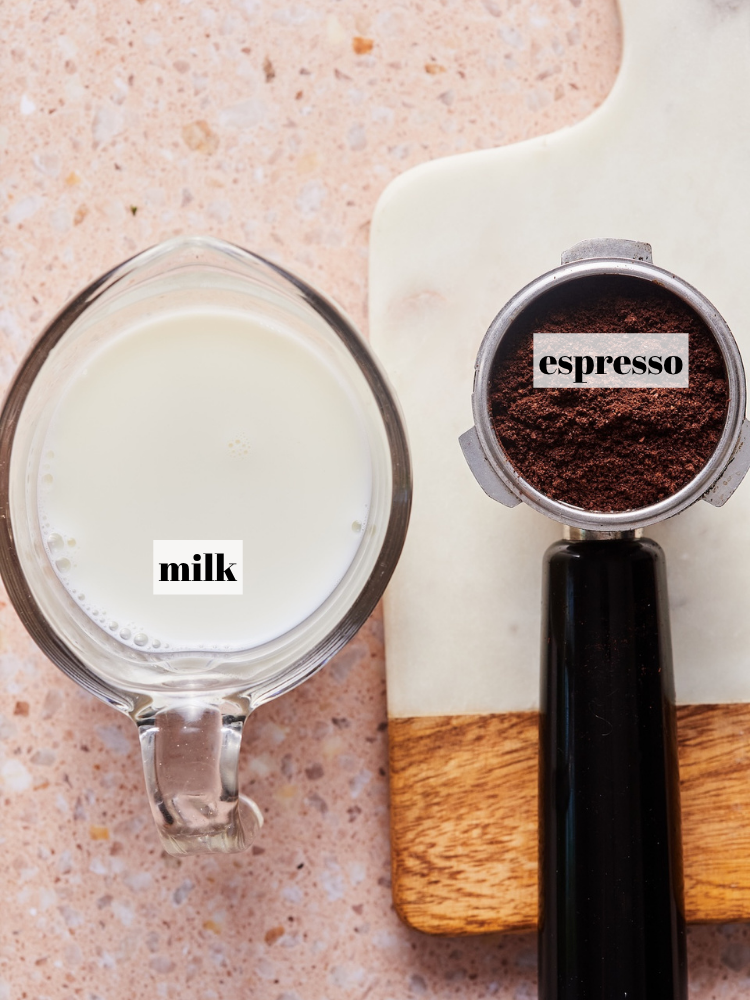
Are you ready to transform your mornings with the perfect latte? Brewing coffee beans for a latte is easier than you think—and it can make all the difference in taste and freshness.
Imagine savoring a creamy, rich latte made from coffee you brewed yourself, exactly how you like it. In this guide, you’ll discover simple steps to unlock the full flavor of your coffee beans and create a latte that feels like a cozy cafe treat right at home.
Keep reading, and you’ll never look at your morning coffee the same way again.

Credit: myeverydaytable.com
Choosing Coffee Beans
Arabicaand Robustaare the two main types of coffee beans. Arabica has a mild, sweet taste with fruity notes. Robusta is stronger and more bitter, with more caffeine. For lattes, Arabica is often preferred for its smooth flavor.
Roast levels affect flavor and texture. Light roastskeep more acidity and fruity flavors. Medium roastsbalance acidity and body, good for creamy lattes. Dark roastshave a bold, smoky taste, which can overpower milk.
Freshness is key. Coffee beans should be used within two weeksof roasting for the best taste. Store beans in an airtight containeraway from light and heat. Avoid the fridge or freezer, as moisture can harm the beans.
Grinding Coffee Beans
The grind sizeis very important for making espresso. It should be fine, almost like powder. Too coarse a grind will make the coffee weak. Too fine can block the machine.
Grinding techniques affect the coffee taste a lot. Use a steady hand and grind just before brewing. This keeps the coffee fresh. Avoid grinding too much at once.
A burr grinderis the best tool for grinding coffee beans. It crushes beans evenly. This helps get a consistent grind size. Blade grinders can make uneven sizes and affect flavor.
Brewing Methods
An espresso machineis key for brewing a latte. It forces hot water through finely ground coffee. This creates a strong, rich espresso shot. The machine needs to be clean and well-maintained.
Alternative brewing optionsinclude stovetop espresso makers and AeroPress. These tools also make concentrated coffee. They work well if you do not have an espresso machine.
Using the right water temperatureis crucial. The water should be between 195°F and 205°F. Too hot or too cold water spoils the taste. Quality water without strong odors or flavors is best.
Steaming Milk
Milk type and fat contentaffect the texture and taste of your latte. Whole milk creates rich and creamy foam. Skim milk produces lighter, airier foam. Plant-based milks like almond or oat can vary; some froth well, others less so.
For frothing, start with cold milk. Use a steam wandor frother to add air slowly. Move the wand just below the surface to create small, tight bubbles. Keep the milk swirling to mix air evenly.
Perfect microfoam looks silky and smooth, with no big bubbles. It should pour easily and blend well with espresso. Stop steaming when milk reaches about 150°F (65°C)to avoid burning.
Combining Coffee And Milk
Pouring techniquesaffect the look and taste of a latte. Pour milk slowly and steadily. Hold the cup at an angle. This helps the milk mix well with coffee. Start pouring from high above. Then move closer to the cup surface. This creates smooth layers and helps foam form.
Creating latte artneeds steady hands and practice. Pour milk foam gently to form shapes. Simple hearts and leaves are good for beginners. The contrast between dark coffee and white foam makes art visible. Use fresh milk for better foam texture. It should be creamy and thick.
Balancing flavor and texture is key. Coffee should taste strong but not bitter. Milk must be warm and creamy, not hot or watery. Use whole milk for richer flavor. Stir gently to keep foam on top. This balance makes the latte smooth and tasty.
Troubleshooting Common Issues
Common issues with brewing coffee beans for latte include grind size and water temperature. Adjusting these factors can improve flavor and texture quickly. Watch for milk frothing problems to achieve the perfect creamy consistency.
Bitter Or Sour Taste
Check the coffee bean quality. Low-quality beans taste bad. Ensure the beans are not over-roasted. Over-roasting makes them bitter. Adjust the grind size. A fine grind can be too strong. A coarse grind can be too weak. Try a medium grind for balance. Water temperature is key. Too hot or too cold affects taste. Aim for 195-205°F.
Weak Or Watery Coffee
Use the right amount of coffee grounds. Too few grounds make it weak. Measure two tablespoons per cup. Check the brew time. Brew for 4 to 5 minutes. Less time makes it watery. Consider grind size. Too coarse makes it weak. Use a finer grind for strength.
Milk Froth Problems
Choose fresh milk for frothing. Whole milk froths best. Cold milk froths better. Keep milk below 150°F. High heat ruins froth. Clean the frother often. Milk residue affects froth quality. Use a steam wand or frothing tool. Practice to get the right texture.
Tips For Enhancing Your Latte
Freshly grinding coffee beans just before brewing keeps the latte rich and flavorful. Using the right water temperature and grind size helps extract the perfect taste. Experiment with these simple steps to enjoy a smoother, creamier latte every time.
Adding Flavors And Syrups
Flavors make lattes extra special. Try vanilla or caramel syrup. Chocolate syrup is also a tasty choice. These syrups add sweetness and a yummy taste. Add just a little first. Taste it to see if it is enough. Too much syrup can make it too sweet.
Using Alternative Milks
Different milks change the taste of your latte. Almond milk is a popular choice. It has a nutty flavor. Oat milk is creamy and smooth. It makes the latte rich. Soy milk is another option. It has a mild taste. Each milk gives a unique flavor. Try them to find your favorite.
Experimenting With Coffee Blends
Different coffee blends make unique lattes. Arabica beans have a smooth taste. Robusta beans are stronger. Mix them for a balanced flavor. You can also try specialty blends. These can offer exciting new tastes. Changing blends can make your latte exciting.

Credit: www.youtube.com

Credit: www.wholelattelove.com
Frequently Asked Questions
What Coffee Beans Are Best For Brewing A Latte?
Medium or dark roast beans work best for lattes. They provide rich flavor that complements steamed milk well. Freshly ground beans ensure optimal taste and aroma. Choosing quality beans enhances your latte experience significantly.
How Finely Should Coffee Beans Be Ground For A Latte?
For lattes, grind coffee beans to a fine consistency. This allows proper extraction during espresso brewing. A fine grind produces a strong, smooth espresso shot. Avoid too coarse or too powdery grinds for best results.
What Is The Ideal Water Temperature For Brewing Latte Coffee?
The ideal water temperature for brewing espresso is between 90°C and 96°C (194°F-205°F). This range extracts flavors perfectly without bitterness. Maintaining this temperature ensures balanced and smooth espresso, essential for a great latte.
How Much Coffee Should I Use For A Single Latte Shot?
Use about 18 to 20 grams of coffee grounds for a single espresso shot. This amount delivers strong and flavorful coffee. Proper dosing influences the balance between coffee and milk in your latte.
Conclusion
Brewing coffee beans for a latte can be simple and fun. Fresh beans and the right grind make a big difference. Use clean water and correct temperature for best taste. Frothing milk adds creaminess that complements your coffee. Practice helps you find your perfect balance.
Enjoy each step and savor your homemade latte. Brewing your own coffee saves money and tastes great. Try different beans to discover new flavors. Keep experimenting and enjoy your coffee moments every day.