
Have you ever excitedly made cold brew coffee, only to find your cold brew maker overflowing and making a mess? It’s frustrating and wastes your precious coffee.
But what if you could stop overflow before it happens? You’ll discover simple, effective tips to keep your cold brew maker clean and spill-free every time. By following these easy steps, you’ll enjoy perfect cold brew without any stress or cleanup.
Keep reading to learn how to protect your kitchen and make your cold brew routine smooth and enjoyable.

Credit: www.amazon.ca
Causes Of Overflow
Excess coffee groundsblock water flow. This causes pressure build-up and overflow. Use the right amount of grounds to avoid this problem.
Too much waterfills the container beyond its limit. Water mixes with coffee grounds and spills out. Always measure water carefully.
Incorrect container sizeleaves little room for coffee expansion. Choose a container that fits your cold brew maker well. This prevents overflow during brewing.
Improper sealinglets air escape or water leak. A loose lid can cause overflow and mess. Ensure the container is sealed tightly before brewing.

Credit: www.amazon.co.uk
Choosing The Right Equipment
Choosing the right equipment helps avoid overflowin your cold brew maker. Select a cold brew makerthat fits your daily coffee needs. A small container fills up quickly and can spill.
Using a larger containergives more space for coffee to expand. It lowers the chance of spilling. Make sure the container fits your fridge and counter.
Look for cold brew makers with overflow features. These may include a built-in overflow guardor a spill-proof lid. Such features help keep your brewing area clean and safe.
- Choose the right size for your brewing needs.
- Pick containers with extra room to avoid spills.
- Check for special features like spill-proof lids.
Measuring Ingredients Accurately
Using the right amount of coffee and wateris key to avoiding overflow. The optimal coffee-to-water ratiousually ranges from 1:4 to 1:8. This means one part coffee for four to eight parts water. It depends on how strongor mildyou like your brew.
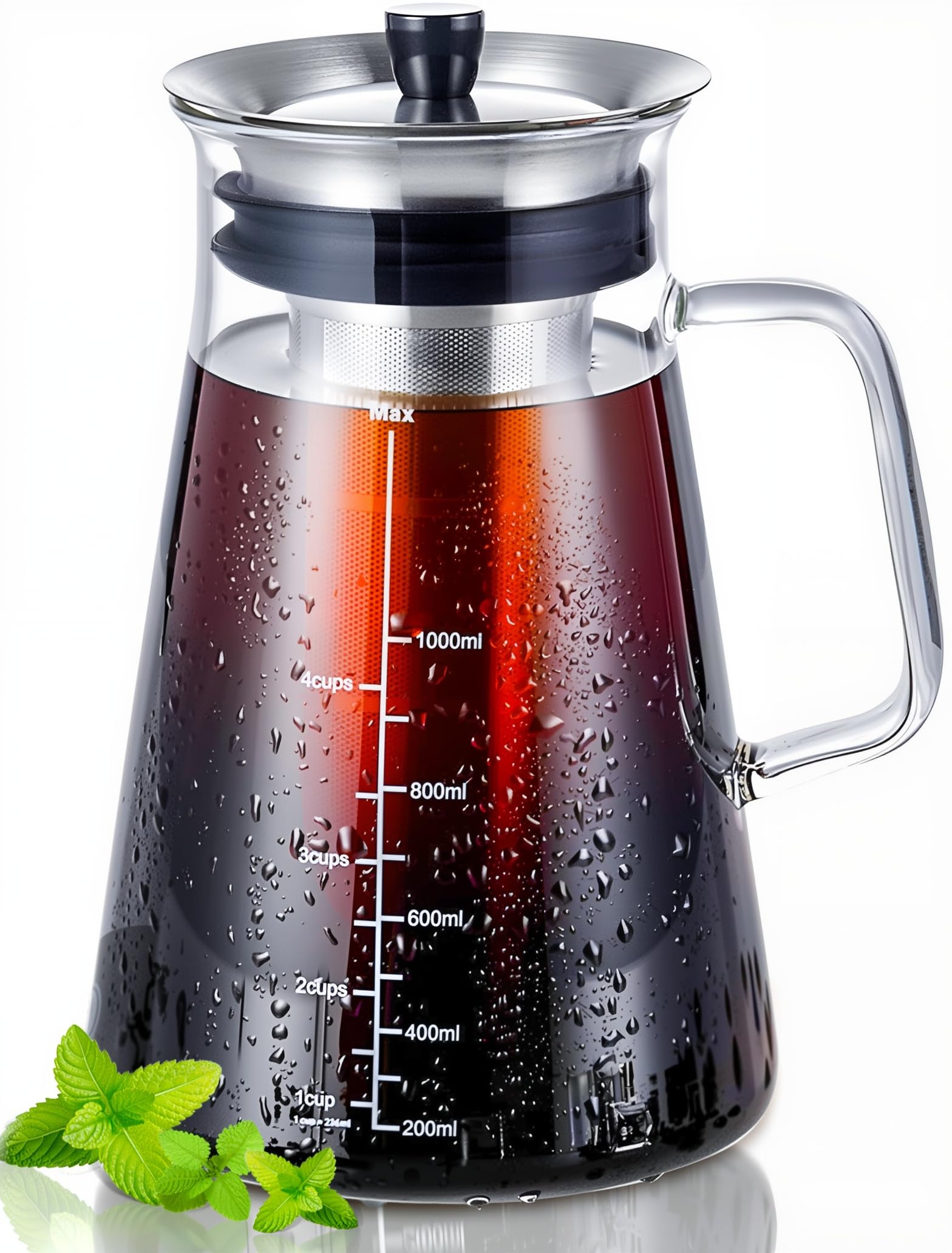
Measuring tools like graduated cups, spoons, or kitchen scaleshelp keep the amounts exact. This stops using too much water or coffee. Precision is important to keep the cold brew maker from overflowing.
- Use a digital scalefor best accuracy.
- Adjust the coffee amount for stronger taste.
- Use more water for a lighter flavor.
- Always check the capacityof your cold brew maker.
Brewing Techniques To Avoid Overflow
Pour water slowlyover the coffee grounds. This helps avoid overflowby giving the liquid time to soak in. Using a spoon or a slow-pour kettle works best. A fast pour causes liquid to rise quickly and spill out.
Leave extra spacein the cold brew maker for the coffee to expand. Coffee grounds swell as they absorb water. Without enough space, the liquid can overflow. Choose a container a bit larger than the amount of coffee you make.
- Check the cold brew during brewing.
- Stop pouring if the liquid rises too high.
- Stir gently to help liquid settle.
- Keep an eye especially in the first few minutes.
Maintenance Tips
Regular cleaning keeps the cold brew maker working well. Rinse all parts after each use. Use warm water and mild soap to wash the container and filters. This stops old coffee oils from building up and causing blockages.
Check the seals and lids often. Cracks or loose lids let air in, causing overflow. Make sure seals fit tightly and lids close firmly every time you use the maker.
Parts can wear out over time. Replace worn filters, seals, or lids quickly. Using damaged parts can lead to spills and poor coffee taste. Keep spare parts handy to fix problems fast.
Troubleshooting Overflow Issues
Prevent overflow in a cold brew maker by using the right coffee-to-water ratio. Avoid overfilling the container, and ensure the filter is securely in place. Regularly check for blockages to maintain smooth brewing.
Identifying Overflow Patterns
Watch your cold brew maker closely. Notice when the overflow happens. Is it during the brewing process? Or maybe when pouring? Knowing the exact time helps in finding the cause. Check if the filter is clogged. A blocked filter can cause overflow. Inspect the water level. Too much water can lead to spills.
Adjusting Brewing Variables
Adjust the coffee-to-water ratio. Too much coffee can cause overflow. Use less coffee if needed. Adjust the grind size. Fine grinds can block the filter. Use coarser grinds for better flow. Monitor the steeping time. Longer steeping may cause overflow. Shorten the time if necessary.
When To Seek Professional Help
If overflow persists, seek professional advice. A technician can inspect the machine. Broken parts may need replacement. Professional help ensures safe repairs. Don’t try fixing complex issues alone. It might damage the machine further.
Credit: www.amazon.sg
Frequently Asked Questions
How Can I Stop My Cold Brew Maker From Overflowing?
Prevent overflow by not overfilling your cold brew maker. Leave enough space for coffee grounds and water to expand. Use the recommended coffee-to-water ratio. Stir gently to avoid foam buildup. Also, ensure the filter is properly placed to allow smooth liquid flow.
What Is The Ideal Coffee-to-water Ratio For Cold Brew?
The ideal ratio is typically 1:4 to 1:8 coffee to water by weight. This prevents overflow and ensures strong flavor. Adjust the ratio based on your taste preference and your maker’s capacity. Always follow your cold brew maker’s instructions for best results.
Why Does My Cold Brew Maker Overflow During Brewing?
Overflow happens due to excessive coffee grounds or water. Also, trapped air or foam buildup can cause spills. Using too fine a grind can block filters and slow flow. Make sure to use coarse grounds and fill within recommended limits to avoid overflow.
How Often Should I Clean My Cold Brew Maker?
Clean your cold brew maker after every use. Residue and oils can clog filters and cause overflow. Use warm water and mild soap to remove coffee oils. Regular cleaning maintains proper flow and prevents buildup that leads to spills.
Conclusion
Preventing overflow in your cold brew maker keeps your kitchen clean and safe. Always use the right water and coffee amounts. Check the container size before brewing. Pour slowly to avoid spills and mess. Clean your cold brew maker regularly to stop blockages.
These simple steps help you enjoy smooth, tasty cold brew every time. Stay careful and enjoy your perfect cup without worries.