
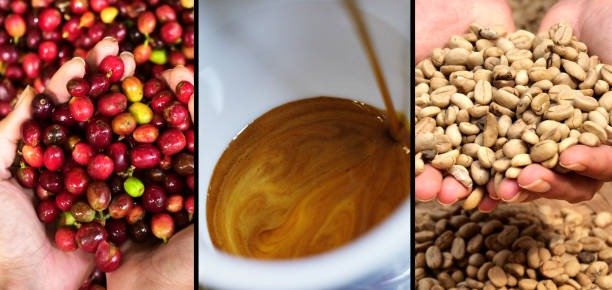
Are you ready to transform your daily coffee routine into something extraordinary? Brewing coffee with specialty beans isn’t just about making a cup—it’s about unlocking rich flavors and aromas you’ve never experienced before.
Imagine savoring a coffee that tastes fresh, vibrant, and perfectly balanced every single time. In this guide, you’ll discover simple steps that turn your kitchen into a mini coffee shop, helping you enjoy barista-quality coffee without leaving home. Keep reading, and you’ll learn how to make every sip count.
Choosing Specialty Beans
Single originbeans come from one place. They have a clear, distinct flavor. Blendsmix beans from different places for balance and complex taste. Single origin shows unique flavors. Blends offer smooth, consistent taste.
Roast levelschange the coffee taste. Light roasts keep fruity and bright notes. Medium roasts bring a balance of flavor and body. Dark roasts have strong, bold, and smoky flavors. Choose roast based on your taste.
| Roast Level | Flavor Profile |
|---|---|
| Light | Fruity, bright, acidic |
| Medium | Balanced, sweet, smooth |
| Dark | Bold, smoky, bitter |
Freshness is key for great coffee taste. Store beans in a cool, dark place. Use airtight containers to keep air out. Avoid storing in the fridge or freezer. Grind beans just before brewing for best flavor.

Credit: fnb.coffee
Grinding For Optimal Flavor
Grind sizeaffects how water extracts flavor from coffee beans. Finer grinds work best for espresso, while coarser grinds suit French press. Each brewing method needs a different grind size for the best taste.
Burr grinderscrush beans evenly, giving a consistent grind size. Blade grinders cut beans unevenly, causing inconsistent flavors. Burr grinders help you get the best from specialty beans.
Adjusting grind size helps control extraction. If coffee tastes bitter, try a coarser grind. If it tastes weak, use a finer grind. Small changes make a big difference in flavor.
Water Quality And Temperature
Good water qualityis very important for brewing coffee. Water should be clean and free from strong tastes. Mineralslike calcium and magnesium help bring out the coffee flavors. Water that is too soft or too hard can change the taste.
| Temperature Range | Brewing Effect |
|---|---|
| 195°F – 205°F (90°C – 96°C) | Ideal for most coffee brewing methods |
| Below 195°F (90°C) | Under-extraction; weak and sour taste |
| Above 205°F (96°C) | Over-extraction; bitter and harsh taste |
Water temperaturecontrols how coffee flavors come out. Hot water pulls out oils and acids from the beans. If water is too cool, coffee tastes weak. Too hot, coffee can taste bitter. Keeping the right temperature helps balance the flavors.
Brewing Techniques
Pour overuses a slow, steady pour of hot water. This helps to bring out the flavorand aromaof specialty beans. Use a medium grindand pour in circles. Keep water temperature just below boiling, around 200°F (93°C). This method makes a clean, bright cup.
For French press, use a coarse grindto avoid sediment. Steep coffee in hot water for about 4 minutes. Press the plunger slowly to separate grounds. This method gives a rich, full-bodied taste. Use water around 195°F (90°C) for best results.
Espressoextraction needs a fine grind and firm tamping. Use about 9 bars of pressure for 25-30 seconds. The shot should be thick and creamy with a golden crema on top. Keep the machine clean for consistent results.
Cold brewcoffee requires steeping grounds in cold water for 12-24 hours. Use a coarse grind and a high coffee-to-water ratio. Strain well before serving. This process results in a smooth, low-acid coffee that tastes great over ice.
Measuring And Timing
Coffee-to-water ratioaffects the taste and strength of your brew. A common ratio is 1:15, meaning 1 gram of coffee for every 15 grams of water. Adjust to taste: use more coffee for a stronger cup, less for a lighter one.
Brew timecontrols extraction. Too short means weak coffee; too long can taste bitter. For drip coffee, aim for 4 to 5 minutes. Espresso needs only 25 to 30 seconds. Pour-over methods vary between 2 to 4 minutes.
Use a scaleto measure coffee and water precisely. A timerhelps keep brewing consistent. Small changes in timing or amount make a big taste difference.

Credit: somethingsbrewing.in
Enhancing Coffee Experience
Brewing coffee with specialty beans elevates your morning ritual. Begin by selecting freshly roasted beans for optimal flavor. Grind them just before brewing for a rich, aromatic experience. Use filtered water heated to around 200°F. Pour slowly over the grounds to extract complex flavors, crafting a delightful cup each time.
Tasting And Adjusting
Specialty beans can taste different. Each sip brings new flavors. Try different brewing times. Some flavors might be bold or sweet. Change the grind size too. Smaller grinds can taste stronger. Bigger ones might be milder. Experimenting is fun and helps find the best taste.
Pairing With Food
Coffee and food can be great together. Sweet treats like cookies go well. They balance the coffee’s strong taste. Savory snacks like cheese are good too. They make each sip taste richer. Try different foods to see what you like best.
Storage Of Brewed Coffee
Keep brewed coffee fresh by storing it right. Use an airtight container. This keeps the flavor locked in. Don’t leave it out too long. It can lose taste. Reheating coffee is not ideal. It might taste different. Freshly brewed is always better.
Credit: www.consumerreports.org
Frequently Asked Questions
What Are Specialty Coffee Beans?
Specialty coffee beans are high-quality Arabica beans grown in ideal conditions. They are carefully harvested and processed to ensure unique flavors and superior taste. These beans score 80+ points on a 100-point scale by certified graders.
How Do I Grind Specialty Coffee Beans?
Grind specialty beans just before brewing for maximum freshness. Use a burr grinder for uniform particle size. Adjust grind size based on your brewing method to optimize extraction and flavor.
What Brewing Methods Suit Specialty Beans Best?
Specialty beans shine in pour-over, French press, and AeroPress methods. These techniques highlight complex flavors and aromas. Experiment with water temperature and brewing time for ideal taste.
How Important Is Water Quality In Brewing?
Water quality greatly affects coffee flavor. Use filtered or bottled water free from chlorine and impurities. Maintain water temperature between 195°F and 205°F for optimal extraction.
Conclusion
Brewing coffee with specialty beans takes some care and patience. Fresh beans and the right grind matter most. Use clean equipment for the best taste. Water temperature and brewing time also affect flavor. Taste your coffee and adjust as needed.
Enjoy the rich, unique flavors every cup offers. Keep practicing to find what suits you best. Each brew can be a small, joyful ritual. Specialty coffee brings a simple pleasure worth savoring daily.