
If you want to pull the perfect shot of espresso every time, mastering your grind size is key. The right grind can unlock rich flavors, smooth crema, and that satisfying balance you crave.
But how do you know if your grind is too fine or too coarse? And how exactly can you adjust it to fit your espresso machine and beans? You’ll discover simple, practical steps to fine-tune your grind size, so your espresso tastes just the way you like it—bold, smooth, and full of life.
Ready to take control of your espresso game? Let’s dive in.
Choosing The Right Grind Size
Fine grindsare powdery and best for espresso. They allow water to flow slowly, extracting rich flavor. Coarse grindsare chunkier and let water pass quickly, which suits methods like French press.
Extraction changes with grind size. Too fine can cause over-extraction, making coffee bitter. Too coarse leads to under-extraction, resulting in weak taste. The right grind balances flavor and strength.
| Grind Size | Best For | Extraction Impact |
|---|---|---|
| Fine | Espresso, Aeropress | Slow water flow, rich flavor, can over-extract |
| Medium | Drip coffee, pour-over | Balanced extraction, smooth taste |
| Coarse | French press, cold brew | Fast water flow, lighter taste, can under-extract |
Different coffee beans may need grind size changes. Darker roasts often suit finer grinds. Lighter roasts may taste better with medium grind. Testing helps find the best match.

Credit: www.reddit.com
Tools For Adjusting Grind
Manual grinders use a hand crank to adjust the grind size. They offer precise controlbut need more effort. Electric grinders adjust quickly with a dial or button. They save time and keep settings consistent.
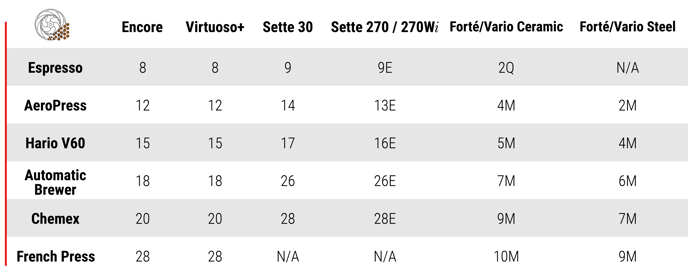
Dial settings show numbers or marks for grind size. Lower numbers mean a finer grind. Higher numbers mean a coarser grind. Adjusting the dial helps find the perfect size for espresso.
Keeping grinder consistency is key for good espresso. Clean the grinder often. Check burrs for wear and replace if dull. Always grind the same amount each time. This keeps the grind size steady and espresso tasting great.
Signs Of Incorrect Grind Size
Under-extractionmeans water passes too quickly through coffee grounds. The espresso tastes sour, weak, and thin. The crema is pale and bubbly. Shot time is usually too short. Coffee grounds may be too coarse.
Over-extractionhappens when water stays too long in coffee. The espresso tastes bitter, harsh, and dry. The crema is dark and thick. Shot time is often too long. Coffee grounds may be too fine.
| Taste Clue | Under-Extraction | Over-Extraction |
|---|---|---|
| Sourness | Strong | Weak or none |
| Bitterness | Weak or none | Strong |
| Texture | Thin, watery | Harsh, dry |
| Crema | Pale, bubbly | Dark, thick |
Step-by-step Grind Adjustment
Begin by setting your grinder to a medium-fine setting. This acts as a baselinefor espresso. Use fresh coffee beans for the best results. Grind about 18-20 grams for a double shot. Remember, grind size affects extraction timeand taste.
Make small changes to the grind size, adjusting slightly finer or coarser. A finer grind slows water flow, creating a stronger taste. A coarser grind lets water flow faster, making the espresso weaker. Change the grind size by one click or notch at a time.
Test the espresso after each adjustment. Taste for balance in bitterness and sourness. Check the shot time; it should be about 25-30 seconds. Keep adjusting and tasting until the espresso tastes smooth and rich. Patience is key.
Environmental Factors Affecting Grind
Humidityaffects espresso grind by changing bean moisture. High humidity makes beans softer, needing a finer grind. Low humidity dries beans, so a coarser grindhelps.
Temperaturechanges grinder performance. Cold air can make grinders less efficient. Warm air may cause beans to stick together. Adjust grind size slightly to keep consistent extraction.
Bean freshnessaffects grind size too. Fresh beans have more moisture and oils. They need a slightly coarser grindto avoid clogging. Older beans are drier, so a finer grindextracts better flavor.
Altitudeimpacts water boiling point and espresso taste. Higher altitudes lower boiling point, causing faster extraction. Use a finer grindat high altitudes to slow extraction and balance flavors.

Credit: macafeine.ca
Common Mistakes To Avoid
Common errors include grinding too fine or too coarse, causing bitter or weak espresso. Avoid changing grind size too quickly; make small adjustments instead. Consistency matters for the best flavor and crema.
Changing Too Much At Once
Making too many changes can confuse you. It’s like a puzzle with too many pieces. Adjust grind size in small steps. This helps you see what works best. Small changes lead to better espresso.Ignoring Consistency
Consistency is key to good espresso. Each cup should taste the same. Stick to the same grind size each time. This helps in getting the same taste. Use a scale to measure your coffee beans. Consistent amounts make a big difference.Neglecting Grinder Maintenance
A clean grinder makes better coffee. Old grounds can spoil the taste. Clean your grinder regularly. This keeps your coffee fresh and tasty. Don’t forget to check for any broken parts. A well-kept grinder lasts longer. `Advanced Tips For Espresso Lovers
Different coffee beans need different grind sizes. Light roast beans often require a finer grind. Dark roast beans might need a coarser grind. Experimenting with grind sizes can bring out unique flavors. Taste your espresso and adjust as needed. Keep notes on what works best for each bean type.
Brew time affects flavor too. A short brewmight taste sour. A long brewcould taste bitter. Check your brew time and adjust the grind. Finer grinds slow down the brew. Coarser grinds speed it up. Aim for a balanced taste.
Use a scalefor precise measurements. Weigh your coffee and water. Consistency is key for good espresso. Use a timerto track brew time. This helps in making adjustments. Small changes can make a big difference.
Credit: support.clivecoffee.com
Frequently Asked Questions
What Grind Size Is Best For Espresso Machines?
A fine grind size is ideal for espresso. It allows water to extract rich flavors quickly and evenly. Too coarse, and the espresso will taste weak or watery.
How Does Grind Size Affect Espresso Taste?
Grind size controls extraction speed. Finer grinds increase extraction, enhancing flavor intensity. Coarser grinds cause under-extraction, resulting in sour or weak espresso.
When Should I Adjust Espresso Grind Size?
Adjust grind size if espresso tastes bitter or sour. Bitter means grind is too fine; sour means it’s too coarse. Small changes improve balance and crema quality.
Can Grind Size Fix Espresso Shot Timing Issues?
Yes, grind size influences shot time. Finer grinds slow water flow, lengthening shot time. Coarser grinds speed flow, shortening extraction. Adjust to hit 25-30 seconds per shot.
Conclusion
Adjusting grind size changes how your espresso tastes and flows. Finer grinds slow water, creating stronger flavors. Coarser grinds speed up brewing, making lighter shots. Small changes can make a big difference. Try different grind sizes to find what suits you best.
Watch the shot time and taste closely. Practice helps you get the perfect espresso every time. Keep experimenting and enjoy your coffee journey.