
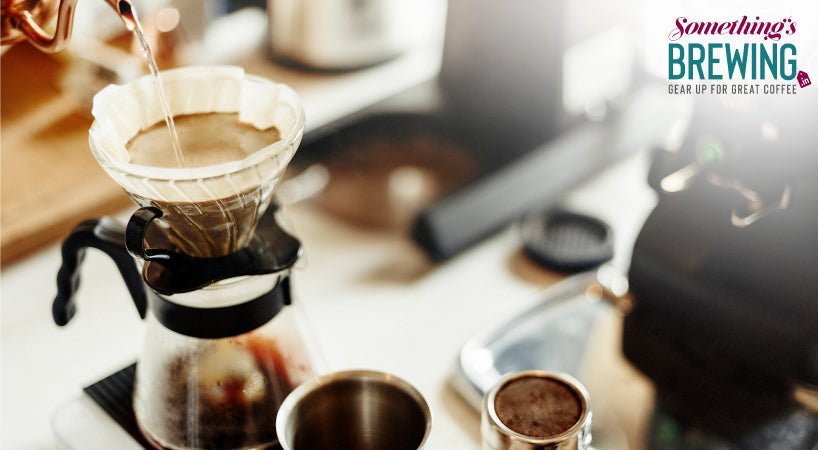
Choosing the best filter for your drip coffee maker might seem simple, but it can make a huge difference in the taste and quality of your coffee. You want a filter that brings out the rich flavors without leaving behind any bitter aftertaste.
But with so many options out there, how do you know which one is right for you? You’ll discover easy tips to pick the perfect filter that matches your coffee style and budget. By the end, you’ll feel confident making every cup a delicious experience.
Keep reading to unlock the secret to better coffee at home!
Types Of Coffee Filters
Paper filtersare the most common choice for drip coffee makers. They are disposable and easy to use. These filters catch most oils and fine coffee grounds, resulting in a clean and bright cup. Paper filters are great for those who want less sediment in their coffee.
Metal filtersare reusable and made from stainless steel or other metals. They allow more oils and fine particles to pass through, creating a richer and fuller taste. Metal filters save money over time and reduce waste.
Cloth filtersoffer a middle ground. They are reusable and made from cotton or hemp. Cloth filters trap some oils and fine grounds but let some through for a balanced flavor. They need careful cleaning after each use to avoid mold.
Filter Sizes And Compatibility
Drip coffee makers use different filter sizes. Choosing the right size is very important. Using a wrong filter can cause coffee grounds to spillor slow brewing.
Most drip coffee makers use one of these filter sizes:
- Basket (Flat-bottom):Fits standard drip machines, common and easy to find.
- Cone-shaped:Used in many single-cup makers, allows water to flow faster.
Check your coffee maker’s manual or look inside the basket to see the shape. Match the filter size and shape exactly. Using the right filter ensures better coffee tasteand cleaner brewing.
Impact On Coffee Flavor
Flavor claritydepends on the filter type used in a drip coffee maker. Paper filters often trap oils and fine particles, giving a cleaner taste. Metal filters allow oils to pass through, resulting in a richer, fuller flavor. Cloth filters fall between these two, offering moderate clarity and a smooth taste.
Oil retentionaffects the texture and mouthfeel of coffee. Paper filters absorb most coffee oils, making the drink lighter. Metal filters let oils flow freely, adding body and depth. Cloth filters retain some oils but still allow some to pass, balancing richness and smoothness.
| Filter Type | Flavor Clarity | Oil Retention | Sediment Levels |
|---|---|---|---|
| Paper | High clarity, clean taste | High retention, less oil | Low sediment, smooth cup |
| Metal | Lower clarity, bold taste | Low retention, more oil | Higher sediment, textured cup |
| Cloth | Moderate clarity, balanced taste | Moderate retention | Moderate sediment |

Credit: www.telegraph.co.uk
Environmental Considerations
Disposable filtersare easy to use and throw away after brewing. They create less mess but add to landfill waste. Reusable filterscan be used many times, cutting down trash. They save money but need cleaning after each use.
Biodegradable filters break down naturally and are better for the environment. They offer a middle ground between disposable and reusable filters. These filters reduce plastic waste and compost quickly.
| Filter Type | Pros | Cons |
|---|---|---|
| Disposable | Easy to use, no cleaning needed | Creates waste, not eco-friendly |
| Reusable | Less waste, cost-effective over time | Requires cleaning, initial cost |
| Biodegradable | Eco-friendly, compostable | Can be more expensive |
Cost And Availability
Choosing the best filter for your drip coffee maker depends on priceand availability. Filters come in different types like paper, metal, or cloth. Paper filters are usually the cheapest and easy to find. Metal filters cost more but last longer. Cloth filters need special care and are less common.
| Filter Type | Average Price | Durability | Availability |
|---|---|---|---|
| Paper | $0.10 – $0.30 per filter | Single use | Easy to find in stores and online |
| Metal | $10 – $25 | Reusable for years | Common in specialty shops and online |
| Cloth | $5 – $15 | Reusable with care | Less common, mostly online |
- Buy filters at grocery stores, coffee shops, or online.
- Online stores often have a wider selection.
- Check if filters fit your coffee maker model.
- Buying in bulk saves money for paper filters.
Maintenance And Cleaning
Choosing the right filter keeps your drip coffee maker clean and working well. Regular cleaning prevents build-up and ensures fresh taste. Use filters that fit perfectly to avoid leaks and easy maintenance.
Cleaning Metal And Cloth Filters
Rinse the metal filter with warm water. Use a soft brush for stubborn coffee grounds. Avoid harsh chemicals that might damage the metal. For cloth filters, soak in hot water with mild soap. Rinse thoroughly to remove soap residue. Let the filter air dry completely. Never use a dryer as it can damage the fabric. Clean filters regularly for the best coffee taste.Storing Filters Properly
Store filters in a cool and dry place. Keep metal filters in a separate drawer. This prevents scratches and damage. Cloth filters should be stored in a breathable bag. Ensure they are completely dry before storing. Moisture can cause mold and bad odors. Proper storage extends the life of your filters. Keep them away from direct sunlight and heat. `Choosing Filters For Special Needs
Choosing the right filter for a drip coffee maker affects taste and brewing quality. Consider filter material and size to fit your machine and meet special needs. Paper filters suit those wanting less bitterness, while reusable ones save money and reduce waste.
Allergy Concerns
Some people have allergies to certain materials. Choosing the right filter is important. Paper filters are often safe for those with allergies. They do not contain plastic or metal. Check the packaging for any allergens. It should say if it is allergy-free. Always look for filters without chemicals or dyes.
Organic And Chemical-free Filters
Organic filters are made from natural materials. They are better for the environment. They do not use pesticides or chemicals. This makes them safer for your health. Look for labels that say organic or chemical-free. These filters can make your coffee taste cleaner. They help keep your drink pure and natural.

Credit: www.amazon.com

Credit: www.wholelattelove.com
Frequently Asked Questions
What Type Of Filter Is Best For Drip Coffee Makers?
Paper filters offer cleaner taste by trapping oils and grounds. Metal filters allow more oils, resulting in richer flavor. Choose based on your taste preference and ease of cleaning.
How Does Filter Size Affect Coffee Brewing?
A proper filter size ensures even water flow and extraction. Too small filters can overflow; too large filters may cause weak coffee. Always match the filter size to your drip coffee maker model.
Are Reusable Filters Better Than Disposable Ones?
Reusable filters reduce waste and save money over time. They may require more cleaning and can affect flavor. Disposable filters provide convenience and consistent results but generate more waste.
Can Filter Material Impact Coffee Flavor?
Yes, filter material influences taste. Paper filters absorb oils for a cleaner cup. Metal filters allow oils, creating a fuller body. Choose based on desired flavor profile.
Conclusion
Choosing the right filter makes your drip coffee taste better. Think about the material, size, and how easy it is to use. Paper filters give a clean taste, while metal filters keep oils for richer flavor. Match the filter with your coffee maker for best results.
Clean your filter regularly to keep coffee fresh. Small changes can improve your daily brew. Enjoy every cup with the perfect filter choice.