
If you want your espresso to taste amazing every single time, choosing the right coffee beans is the key. But with so many options out there, how do you know which beans will bring out the rich, bold flavor you crave?
This guide will help you understand exactly what to look for when picking coffee beans for your espresso. By the end, you’ll feel confident about making the perfect choice—and enjoying a cup that feels like it was made just for you.
Keep reading to unlock the secrets to espresso beans that match your taste perfectly.
Espresso Basics
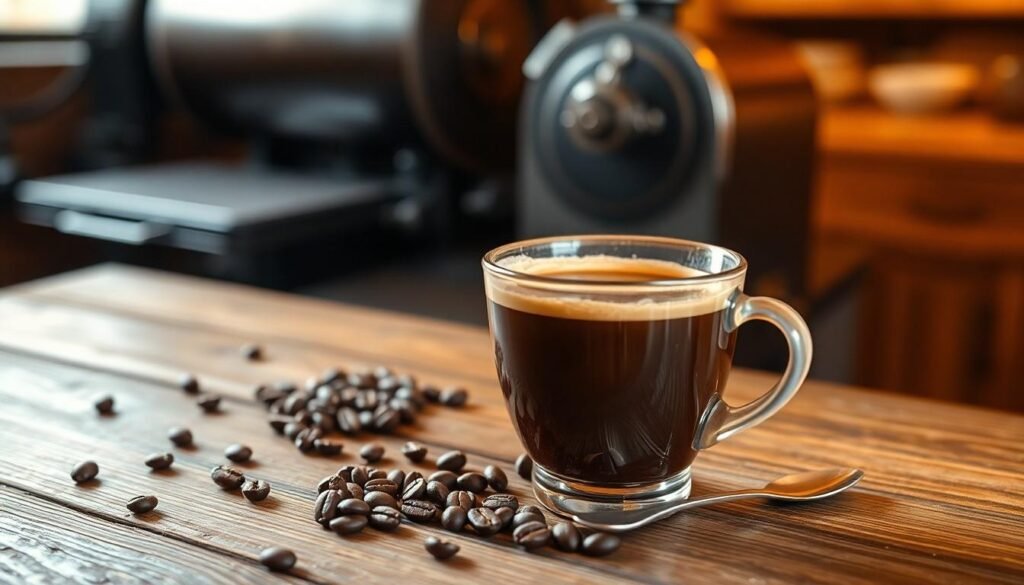
Espressois a coffee made by forcing hot water through finely ground coffee beans. This process creates a rich, strong, and thickcoffee with a layer of creamy foam called crema. The beans used for espresso need to be fresh and finely ground.
Key factorsto choose the right beans include:
- Roast Level:Medium to dark roasts work best for espresso.
- Freshness:Freshly roasted beans produce better flavor and crema.
- Bean Origin:Beans from different regions have unique tastes. Experiment to find your favorite.
- Bean Type:Arabica beans offer smooth flavors, while Robusta adds more crema and strength.
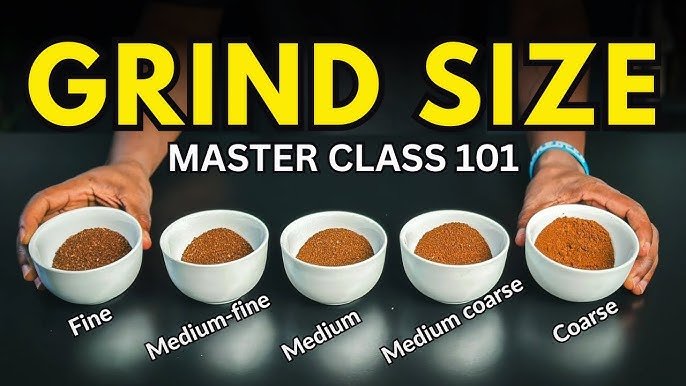
- Grind Size:Espresso requires a very fine grind for proper extraction.
Credit: equipoisecoffee.com
Bean Origin Impact
The origin of coffee beansaffects the taste of espresso greatly. Different regions have unique climates and soils. These factors shape the beans’ flavors. Popular coffee regions include:
- Latin America– Bright, nutty, and mild flavors.
- Africa– Fruity, floral, and wine-like notes.
- Asia– Earthy, spicy, and full-bodied taste.
Each origin offers distinct flavor profiles. Choose beans that match your flavor preference. For example, African beans suit those who like fruity espresso. Latin American beans work well for smooth, balanced shots.
| Region | Flavor Profile | Common Notes |
|---|---|---|
| Latin America | Bright and mild | Nutty, chocolate, citrus |
| Africa | Fruity and floral | Berry, wine, jasmine |
| Asia | Earthy and spicy | Herbal, pepper, cocoa |
Roast Levels For Espresso
Light roastshave a bright, acidic taste. They keep most original bean flavors. The crema is usually lighter and thinner. Medium roastsbalance acidity and body. They create a richer flavor with some sweetness. The crema is thicker and more stable. Dark roaststaste bold and smoky. They have less acidity and more bitterness. The crema is dark and thick but may dissipate quickly.
| Roast Level | Taste Profile | Crema Quality |
|---|---|---|
| Light | Bright, acidic, fruity | Light color, thin |
| Medium | Balanced, sweet, rich | Thicker, stable |
| Dark | Bold, smoky, bitter | Dark, thick but short-lived |

Credit: www.homecoffeesolutions.com
Bean Variety And Blend Choices
Choosing the right coffee beans affects espresso flavor and strength. Single-origin beans offer unique tastes, while blends balance flavor and body. Experiment with different varieties to find your perfect espresso profile.
Single-origin beanscome from one specific region. They offer unique flavors. These flavors show the area’s climate and soil. Blends combine beans from different regions. This creates a mix of flavors. Blends are more balanced and consistent. Each sip tastes similar. Single-origin gives a unique taste experience. Balanced flavor is key for espresso lovers. Choose beans with strong and mild notes. Arabica beans are smooth and sweet. Robustas add strength and body. Mixing Arabica and Robusta gives a balanced taste. Try different ratios. Discover what you like best. Always check the roast date. Fresh beans taste better. Enjoy exploring different flavors. `Freshness And Storage Tips
Fresh beanssmell strong and rich. They should have a shiny, oily surface. Avoid beans that look dull or dry. Check the roast date on the bag. Beans are best used within two weeksafter roasting for espresso.
Store coffee beans in an airtight containeraway from light, heat, and moisture. Keep them in a cool, dark place like a pantry. Avoid the fridge or freezer as moisture can harm flavor. Buy small amounts to keep beans fresh.
Grinding For Espresso
Choosing fresh, high-quality beans enhances espresso flavor and crema. Dark roast beans often work best for a rich, bold taste. Grind size matters—fine grinding helps extract the perfect espresso shot.
Importance Of Grind Size
Grind sizeis key to good espresso. Too coarse makes the espresso weak and watery. Too fine can cause bitter taste and block the machine. The perfect grind lets water flow evenly and extracts rich flavors.
Adjusting Grind For Consistency
Espresso needs a consistent grind size. Use a burr grinder for even pieces. Adjust grind size little by little. Watch how fast the coffee pours out. Slow pour means grind is too fine. Fast pour means grind is too coarse.
Keep notes of your settings. Small changes make big differences. This helps to get the best taste every time.
Tasting And Experimenting
Tasting different coffee beans helps discover which flavors suit espresso best. Experiment with roast levels and origins to find your favorite taste. Small tests reveal how beans react during brewing and affect espresso’s strength and aroma.
How To Conduct A Coffee Tasting
- Smell the beans first. Notice the aroma.
- Grind the beans freshly. Use a clean grinder.
- Brew the coffee. Use a consistent method each time.
- Taste the coffee in small sips. Feel the flavor.
- Write notes. Describe the taste and texture.
Tweaking Beans To Match Preferences
Try different beans from various regions. Each has a unique taste. Some are fruity, others are nutty. Experiment with roast levels. Light roasts are more acidic. Dark roasts have a rich flavor. Adjust the grind size. Finer grinds make stronger coffee. Coarser grinds taste milder. Change the brewing time. Longer times extract more flavor. Shorter times give a lighter brew. Keep experimenting until you find what you love.
Credit: www.coffeeness.de
Frequently Asked Questions
What Coffee Bean Roast Is Best For Espresso?
Medium to dark roasts are ideal for espresso. They bring out rich, bold flavors and balance acidity. Dark roasts create a smooth, intense shot with caramelized notes. Avoid light roasts as they often taste sour or weak when brewed as espresso.
How Does Bean Origin Affect Espresso Flavor?
Bean origin impacts espresso’s taste profile significantly. African beans offer fruity, floral notes. South American beans provide nutty, chocolatey flavors. Asian beans tend to have earthy, spicy undertones. Choosing origin depends on your preferred espresso flavor.
Should I Use Single-origin Or Blended Beans For Espresso?
Blended beans are preferred for espresso to create a balanced flavor. They combine characteristics from multiple origins for depth and consistency. Single-origin beans offer unique, distinct flavors but may lack complexity. Blends provide a more rounded espresso experience.
How Fresh Should Coffee Beans Be For Espresso?
Use coffee beans roasted within the last two to four weeks. Fresh beans preserve essential oils and flavors crucial for quality espresso. Avoid beans older than a month to prevent stale, flat-tasting shots. Grind beans just before brewing for best results.
Conclusion
Choosing the right coffee beans shapes your espresso experience. Freshness matters most for rich flavor and aroma. Consider the roast level that fits your taste. Arabica beans offer smoothness, while Robusta adds strength. Grind size affects extraction and taste balance.
Experiment with different beans to find your favorite. Enjoy the journey of discovering your perfect espresso. Simple steps lead to great coffee moments every time.