
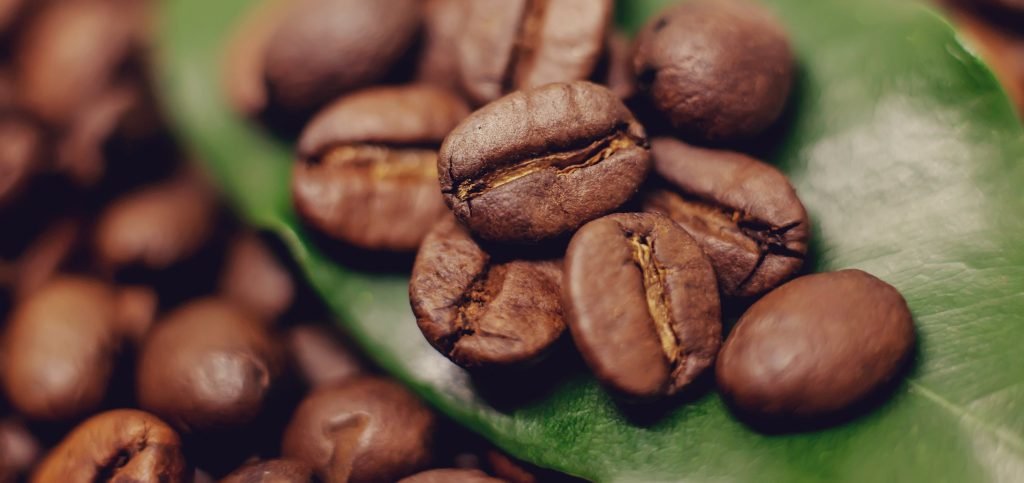
Choosing the right coffee beans can transform your morning cup from ordinary to extraordinary. If you want to create specialty blends that stand out, understanding how to select the perfect beans is key.
You might wonder what makes one bean better than another or how to mix flavors that excite your taste buds. This guide will help you discover exactly what to look for, so your blends deliver rich, balanced, and unforgettable coffee every time.
Keep reading, and you’ll learn the secrets that turn simple beans into your signature specialty blend.

Credit: fnb.coffee
Types Of Coffee Beans
Arabicabeans are known for their smooth and sweet taste. They have less caffeine and grow at higher altitudes. Robustabeans contain more caffeine and have a stronger, more bitter flavor. They are easier to grow and often cheaper.
Single-origin coffee comes from one place. It shows unique flavors from that region. Blends mix beans from different places. This creates balanced and complex tastes.
| Processing Method | Description | Effect on Flavor |
|---|---|---|
| Washed | Beans are cleaned with water before drying. | Bright, clean, and fruity flavors. |
| Natural | Beans dry inside the fruit without washing. | Sweet, heavy, and fruity flavors. |
| Honey | Some fruit is left on beans during drying. | Balanced sweetness and body. |
Flavor Profiles To Consider
Acidity and brightnessgive coffee its lively and fresh taste. Coffees with high acidity often have fruity or citrus notes. Low acidity creates a smooth and mellow flavor. Brightness adds a sparkling, clean feeling on the tongue.
Body and mouthfeeldescribe how coffee feels when you drink it. A coffee with a full body feels heavy and rich. Light body coffees feel thin and watery. Mouthfeel can also be creamy, silky, or rough.
Aroma and aftertasteare very important for coffee enjoyment. Aroma is the smell you notice before tasting. Aftertaste is the flavor left in your mouth after swallowing. Both can be floral, nutty, spicy, or chocolatey.
Roast Levels And Their Impact
Roast levels significantly affect coffee flavor profiles. Light roasts preserve original bean flavors, while dark roasts offer bolder, richer tastes. Select beans based on desired flavor and blend compatibility.
Light Roast Characteristics
Light roastbeans keep most of their original flavors. They taste fruity, floral, and bright. These beans have a higher acidityand lighter body. They show the unique traits of where the beans grew. Light roasts have no oily surfaceand are roasted for a short time.
Medium Roast Balance
Medium roastbeans have a balanced flavor. They blend the bright notes of light roast with the deeper flavors of dark roast. The acidity is milder, and the body is medium. These beans often taste sweet and nutty. They have a slightly darker colorand little oil on the surface.
Dark Roast Intensity
Dark roastbeans have a strong, bold flavor. The original flavors fade, replaced by smoky and bitter notes. These beans have low acidityand a heavy body. The surface is oilyand the color is very dark. Dark roasts suit those who like intense coffee.
Credit: www.consumerreports.org
Sourcing Quality Beans
Direct trademeans buying beans straight from farmers. It often ensures better quality and fair prices. Third-partysellers act as middlemen, which can add costs and reduce bean freshness.
Sustainable practicesfocus on protecting the environment and helping farmers. Ethical farming means workers get fair wages and good conditions. Choosing beans with these values supports better coffee and communities.
Seasonal beans taste best. Coffee tastes fresh within a few months of harvest. Storing beans properly keeps flavor strong. Always check the roast date for freshnessbefore buying.
Blending Techniques
Balancing flavorsmeans mixing beans that bring out the best taste. Use beans with different strengths and notes. For example, combine a fruity beanwith a nutty beanto create harmony. This balance avoids one flavor overpowering the others.
Creating unique profilesinvolves trying new mixes. Change the ratio of each bean to find a special taste. Small changes can lead to big differencesin flavor. Experiment with beans from different regions for variety.
Testing and adjusting blendsis key. Brew small samples and taste them carefully. Note what works and what doesn’t. Adjust the amount of each bean to improve the blend. Repeat until the flavor feels just right.
Credit: www.coffeeness.de
Storage And Handling Tips
Store coffee beans in airtight containers to keep them fresh and flavorful. Avoid heat, light, and moisture to preserve their quality for specialty blends. Handle beans gently to maintain their aroma and texture.
Maintaining Freshness
Freshnessis key for delicious coffee. Store beans in an airtight container. Keep them in a cool, dark place. Avoid sunlight and heat. This helps preserve flavor.Avoiding Contamination
Coffee beans can absorb odors. Do not store near strong-smelling items. Keep them away from spices and cleaning products. Use clean containers to avoid contamination.Proper Grinding And Brewing
Grind beans just before brewing. This keeps flavors strong. Use a grinder to get the right size. Too fine or too coarse can affect taste. Follow brewing instructions for the best results. `Frequently Asked Questions
What Factors Affect Coffee Bean Selection For Blends?
Coffee bean selection depends on flavor profiles, roast levels, and origin. Balance acidity, body, and aroma for a harmonious blend. Consider bean quality and consistency to ensure a premium specialty blend.
How To Identify Quality Coffee Beans For Blends?
Look for uniform size, color, and minimal defects. Freshness and proper roasting enhance flavor. Specialty beans often have clear origin and high cupping scores.
Why Is Bean Origin Important In Specialty Blends?
Origin influences flavor notes like fruity, floral, or chocolatey tones. Combining beans from different regions creates unique, complex blends. Origin transparency ensures traceability and quality assurance.
How To Balance Flavors In Coffee Bean Blends?
Mix beans with complementary acidity, sweetness, and body. Use small test batches to adjust ratios. Aim for a smooth, well-rounded cup that highlights each bean’s strengths.
Conclusion
Choosing the right coffee beans shapes the taste of your blend. Think about flavor, origin, and freshness. Small details make a big difference in quality. Experiment with different beans to find your favorite mix. Enjoy the process and trust your taste buds.
Good coffee starts with smart bean choices. Keep learning and tasting to improve every cup. Your perfect specialty blend is just a few steps away.