
Do you want to make café-quality coffee right at home? Knowing how to use barista tools can transform your daily coffee routine.
Whether you’re a beginner or looking to sharpen your skills, this guide will show you exactly how to handle each tool like a pro. Imagine the rich aroma of freshly ground beans, the perfect crema on your espresso, and the satisfying art of latte pouring—all within your reach.
Keep reading, and you’ll discover simple steps to unlock the full potential of your barista tools and impress yourself with every cup you make.
Credit: www.brewingwithdani.com
Essential Barista Tools
An espresso machinebrews coffee by forcing hot water through finely ground coffee. Learning its basic parts helps in making good espresso. Look for the portafilter, group head, steam wand, and water reservoir.
Grinders come in two main types: burrand blade. Burr grinders give a consistent grind size. Blade grinders chop beans unevenly. The grind size affects espresso taste and extraction.
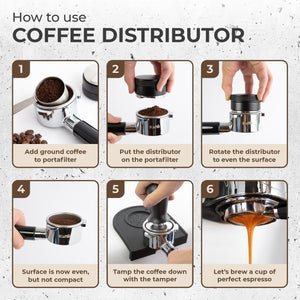
A tamperpresses coffee grounds evenly into the portafilter. Use firm, steady pressure. A smooth, flat tamp ensures water flows through coffee evenly. Avoid uneven tamping to stop weak or bitter espresso.
Milk frothersand steam wands create creamy foam for drinks like cappuccinos. Steam wands heat milk by injecting steam. Frothers can be electric or manual. Warm milk to about 150°F (65°C) for best texture.
| Tool | Use | Tip |
|---|---|---|
| Timer | Measures extraction time | Keep shots between 25-30 seconds |
| Scale | Measures coffee dose and yield | Use grams for accuracy |
| Thermometer | Checks milk temperature | Aim for 140-150°F (60-65°C) |

Credit: www.amazon.com
Preparing The Perfect Espresso
Grinding coffee beans correctlyis key to a great espresso. Use a burr grinder for even grind size. The grind should be fine but not powdery. Too coarse means weak coffee; too fine can cause over-extraction and bitterness. Grind just before brewing to keep beans fresh.
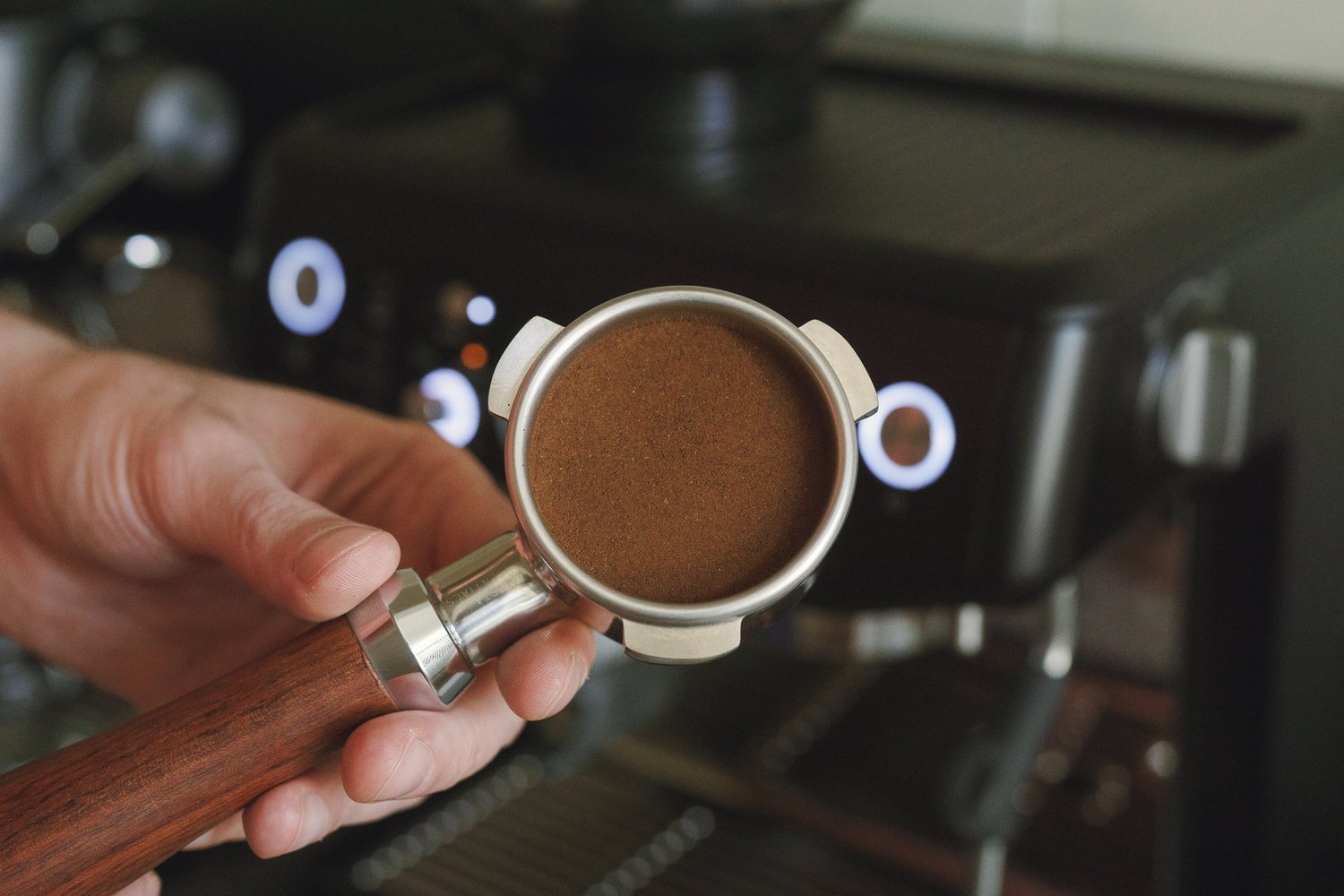
Dosing and tampingaffect espresso quality a lot. Use about 18-20 grams of coffee for a double shot. Spread the grounds evenly in the portafilter. Press down firmly and evenly with a tamper to create a flat coffee puck. This helps water flow properly through the grounds.
Extracting espresso shotstakes about 25-30 seconds for a perfect shot. Start the machine and watch the flow. A steady, thin stream with a rich golden color is ideal. Stop extraction when the shot volume reaches about 2 ounces (60 ml).
| Common Issue | Possible Cause | Fix |
|---|---|---|
| Weak espresso | Grind too coarse or under-dosed | Grind finer and increase dose |
| Bitter taste | Over-extraction or grind too fine | Shorten extraction time or grind coarser |
| Uneven extraction | Poor tamping or uneven grounds | Distribute grounds evenly and tamp firmly |
| Slow flow | Too fine grind or packed too tight | Grind coarser or tamp lighter |
Milk Steaming And Frothing
Choosing the Right Milkis key for good froth. Whole milk creates thick, creamy foam. Skim milk makes light, airy foam. Non-dairy milks vary; oat milk often froths well.
Steaming Techniques for Creamy Textureneed steady motion. Keep the steam wand just below the milk surface. Tilt the pitcher slightly. Move the pitcher gently in a circular way.
Creating Microfoammeans tiny bubbles. This foam feels smooth, not bubbly. Let steam mix air gently into milk. Avoid large bubbles by controlling steam pressure.
Avoiding Common Frothing Mistakeshelps improve results:
- Don’t overheat milk; keep it under 150°F (65°C).
- Don’t let the steam wand touch the pitcher’s bottom.
- Clean the steam wand right after use.
- Use fresh milk for best foam.

Credit: www.youtube.com
Crafting Latte Art
Basic pouringtechniques help create smooth latte art. Hold the cup at a slight angle. Pour steamed milk steadily into the espresso. Start high, then move closer to the surface. Control the pour speed for clear shapes. Slow down when the cup is almost full. Use gentle wrist movements for designs.
Popular latte art designs include:
- Heart:Pour milk steadily, then wiggle gently.
- Rosetta:Create leaf-like patterns with back-and-forth motions.
- Tulip:Layer small hearts on top of each other.
Practice tips for consistency:
- Use fresh, cold milk for better foam.
- Keep espresso shots short and strong.
- Practice pouring on a flat surface first.
- Clean tools after each use to avoid clogs.
- Watch your milk texture; it should be smooth and creamy.
Maintaining Barista Tools
Daily cleaning keeps barista tools in good shape. Rinse portafilters and baskets with hot water. Wipe steam wands with a damp cloth after use. Use a brush to clean grinders and remove leftover coffee grounds. This prevents build-up and keeps flavors fresh.
Descaling removes mineral buildup inside machines. Use a descaling solution every 1-3 months. Run the solution through the machine as per instructions. Deep cleaning includes soaking parts like shower screens and portafilters in hot water and detergent. This removes stubborn oils and residue.
Proper storage helps tools last longer. Store tools in a dry place. Avoid stacking wet items to prevent rust. Use designated containers for small parts like filters and brushes. Keeping tools organized saves time and avoids damage.
Advanced Barista Skills
Advanced barista skills involve using various tools effectively. Mastering the espresso machine, milk frother, and grinder can enhance coffee quality. Each tool plays a vital role in crafting the perfect cup, turning coffee-making into an art.
Dialing In Your Grinder
Grinders make coffee taste different. Use a grinder to find the right size. Small beans make coffee strong. Big beans make it weak. Change the grinder to make it perfect. This is called “dialing in” the grinder. Practice helps you learn fast.
Adjusting Brew Ratios
Brew ratios mean how much water and coffee you mix. More water makes it weak. Less water makes it strong. Find the best mix for each coffee. Use a scale to measure. Try different mixes to find the best taste. Good ratios make coffee yummy.
Experimenting With Coffee Origins
Coffee comes from different places. Each place has a special taste. Try beans from many places. You will find new flavors. Some beans are fruity. Others are nutty. Mixing them can be fun. Enjoy finding your favorite coffee taste.
Frequently Asked Questions
What Are Essential Barista Tools To Start With?
Essential barista tools include an espresso machine, grinder, tamper, milk frother, and a quality coffee scale. These tools help create consistent and high-quality coffee beverages at home or professionally.
How Do I Properly Use A Coffee Tamper?
Press the coffee grounds evenly with a tamper using firm, consistent pressure. This ensures uniform extraction and a balanced espresso shot, avoiding weak or bitter flavors.
Why Is A Coffee Scale Important For Baristas?
A coffee scale ensures precise coffee-to-water ratio, improving consistency and taste. Accurate measurements help replicate recipes and maintain quality in every cup.
How To Steam Milk Perfectly With A Frother?
Submerge the steam wand just below the milk surface and create a whirlpool. Heat milk to around 150°F for creamy, textured milk ideal for lattes and cappuccinos.
Conclusion
Using barista tools helps you make coffee like a pro. Each tool has a clear role. Practice often to improve your skills. Enjoy the process of learning and tasting. Good coffee starts with the right tools. Keep your equipment clean for the best flavor.
Small steps lead to better coffee every day. Try new techniques and find what you like. Coffee making can be simple and fun. Your perfect cup is just a few tools away.