
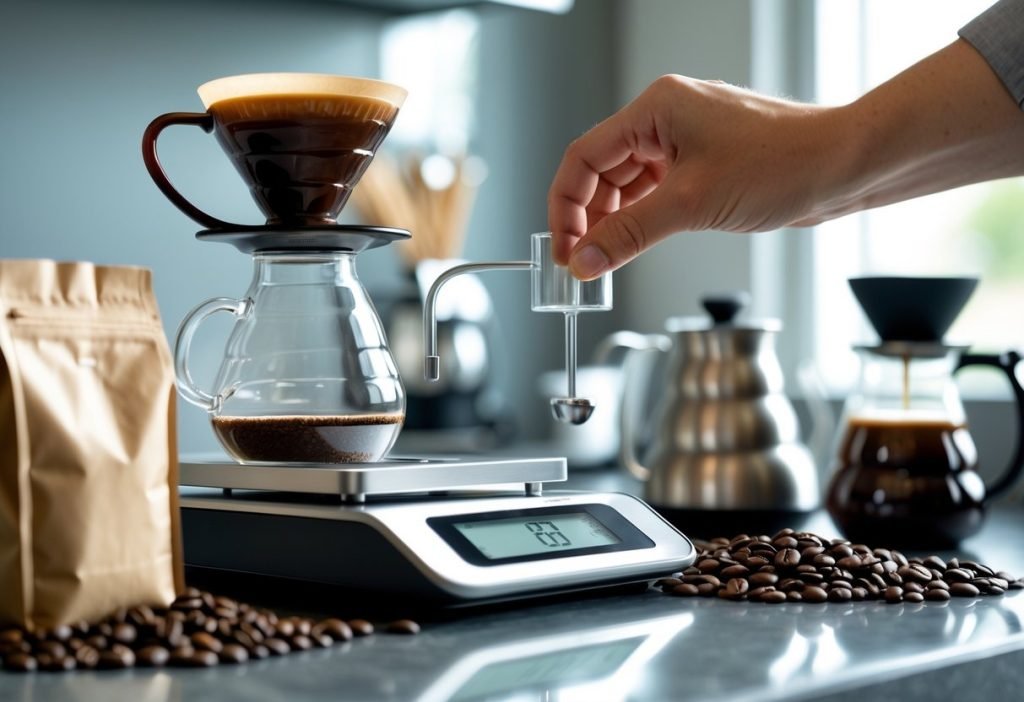
Are you sure your coffee scale is giving you the right measurements? Even a tiny error can change the taste of your brew.
Calibrating your coffee scale ensures you get the perfect balance every time. In this guide, you’ll learn simple steps to make your scale accurate, so your coffee tastes just how you like it. Keep reading, and unlock the secret to brewing better coffee with confidence!

Credit: 1zpresso.coffee
Why Calibrate Your Coffee Scale
Calibrating your coffee scaleensures the right amount of coffeeevery time. Precise weight means better taste and consistency in your brew. Even small errors can change the flavor and strength of your coffee.
A scale that is not calibrated may show wrong measurements. This leads to too much or too little coffee, affecting the brew quality. Proper calibration keeps your coffee tasting just right.
| Common Calibration Issues | Effect on Coffee Brewing |
|---|---|
| Scale shows 0 when turned on | Incorrect start point, wrong coffee weight |
| Weight changes during use | Inconsistent coffee dose every time |
| Scale displays weight too high or low | Over or under-extracted coffee |
| Scale unresponsive to calibration | Needs repair or replacement |
Tools Needed For Calibration
Calibration weightsare small, precise weights used to check your coffee scale’s accuracy. They come in different sizes, like 50g, 100g, or 200g. Using the right weight helps make sure your scale shows the correct amount of coffee. These weights are best for accurate calibration.
Some people use alternative itemsif they don’t have calibration weights. These can include coins, like a US quarter (about 5.67g) or a nickel (5g). Small packets of sugar or salt can also work, but their weights may vary a little. These are helpful for a quick check but not for precise calibration.
Step-by-step Calibration Process
Before calibration, ensure the scale is on a flat, stable surface. Remove any objects from the weighing platform. Make sure the scale is clean and dry. Power on the scale and wait for it to show zero or a stable reading.
Press and hold the calibration button or follow your scale’s manual to enter calibration mode. The display will usually show a prompt or code to signal calibration has started. Avoid touching the scale during this process to get accurate results.
Use the correct calibration weights as specified in your scale’s manual. Place the weight gently on the center of the platform. The scale will compare the weight to its internal settings and adjust accordingly. If you don’t have calibration weights, use coins or other known weights but note this may be less accurate.
The scale may prompt you to add different weights or confirm the current weight. Adjust the readings by following the on-screen instructions or buttons to match the known weight. Once complete, the scale should show the exact weight of the calibration mass.

Credit: www.youtube.com
Tips To Maintain Scale Accuracy
Keep a regular calibration scheduleto ensure accurate readings. Calibrate your coffee scale at least once a month or more if used daily. This helps avoid errors from long-term use.
Place the scale on a flat, stable surface. Avoid areas with vibrations or uneven spots. This ensures the scale measures weight correctly every time.
- Do not overload the scale beyond its limit.
- Keep the scale clean and free from dust or spills.
- Avoid moving the scale while weighing coffee.
- Use calibration weights that match the scale’s capacity.
Troubleshooting Calibration Problems
Scale not entering calibration modecan happen if the scale has low battery or is dirty. Clean the surface and check the batteries. Sometimes pressing the calibration button longer helps. Also, make sure the scale is on a flat, stable surface.
Inconsistent readingsmay mean the scale is not level or is affected by air drafts. Keep the scale away from wind or vibrations. Try calibrating again after moving the scale to a calm spot. Resetting the scale can also fix this problem.
| When to Replace Your Scale |
|---|
|
:max_bytes(150000):strip_icc()/sea-hario-polaris-coffee-scale-irvin-lin-07-dc73858eff1a4cbf857132e1d29af6e4.jpeg)
Credit: www.seriouseats.com
Frequently Asked Questions
How Do I Know If My Coffee Scale Needs Calibration?
If your coffee measurements are inconsistent or inaccurate, your scale likely needs calibration. Check if the weight varies with the same object. Calibration ensures precise brewing for better coffee taste and consistency.
What Tools Are Required To Calibrate A Coffee Scale?
You typically need a calibration weight, often 100g, and your coffee scale. Some scales come with built-in calibration modes. Accurate calibration weights ensure reliable scale adjustment and consistent coffee brewing results.
How Often Should I Calibrate My Coffee Scale?
Calibrate your coffee scale every few weeks or after battery changes. Frequent calibration maintains precision and ensures your coffee measurements stay accurate for the best flavor extraction.
Can I Calibrate My Coffee Scale Without Calibration Weights?
You can try household items with known weights, but calibration weights are more accurate. Using precise calibration weights guarantees the most reliable scale adjustments and optimal coffee brewing results.
Conclusion
Calibrating your coffee scale ensures accurate measurements every time. This helps you brew better coffee with the right balance. Regular checks keep your scale reliable and consistent. Small steps make a big difference in taste. Take time to calibrate before each use.
Enjoy a perfect cup without guesswork or waste. Simple, steady care keeps your coffee routine smooth. Try it today and taste the difference.