
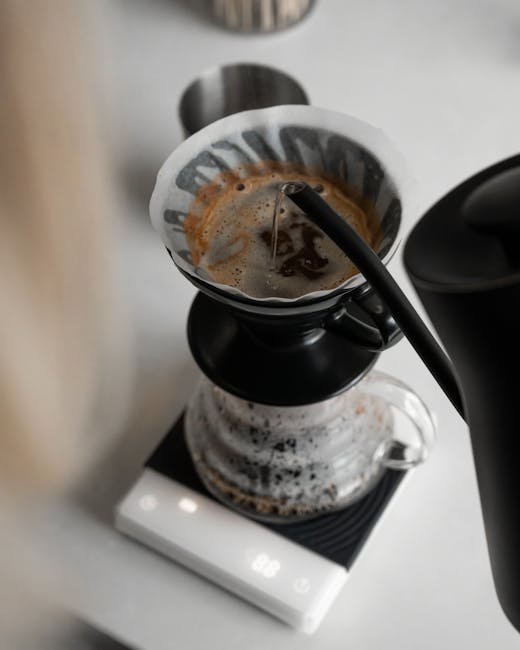
You rely on your drip coffee maker every morning for that perfect cup of coffee. But over time, stubborn stains build up inside, affecting the taste and look of your brew.
If you’ve noticed those annoying marks and wonder how to get rid of them, you’re not alone. Cleaning your coffee maker doesn’t have to be a hassle or require special tools. In this guide, you’ll discover simple, effective ways to remove stains and keep your coffee maker fresh.
By the end, you’ll know exactly how to restore your machine and enjoy better coffee every day. Keep reading to learn the easy steps that anyone can follow!

Credit: www.msn.com
Common Coffee Maker Stains
Common coffee maker stainsinclude coffee residue, mineral buildup, and mold. These stains affect taste and machine life.
Types of stainsvary by cause. Coffee residue appears as dark brown spots inside the pot or filter basket. Mineral buildup looks like white or chalky deposits, often in the water reservoir or heating element. Mold can grow in damp areas, showing as black or green patches.
Causes of stainsinclude leftover coffee oils and grounds that stick to surfaces. Hard water leads to mineral deposits. Not cleaning the machine regularly allows mold to form. Using the coffee maker daily without proper care worsens stains over time.

Credit: sg.style.yahoo.com
Essential Cleaning Supplies
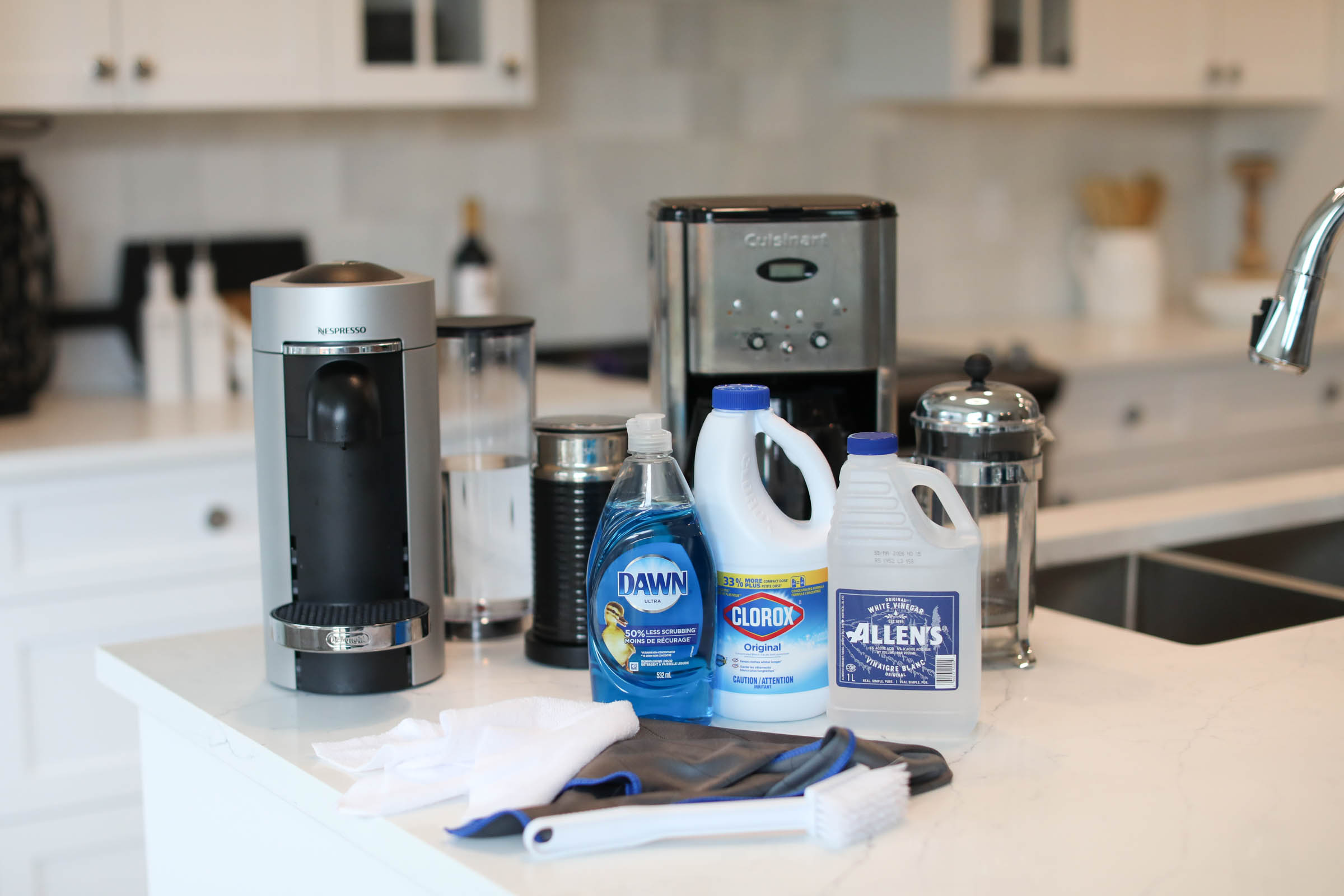
Natural cleanersare gentle and safe for your coffee maker. White vinegar helps break down mineral buildup. Baking soda removes stubborn stains and odors. Lemon juice adds a fresh scent while cleaning. These ingredients are easy to find and budget-friendly.
Commercial productsoffer quick and effective cleaning. Descaling solutions target mineral deposits fast. Coffee maker cleaning tablets dissolve stains inside the machine. Choose products made for drip coffee makers to avoid damage. Always follow the instructions on the package.
Step-by-step Stain Removal
Descaling with vinegarhelps remove mineral buildup inside the coffee maker. Mix equal parts water and white vinegar. Pour the solution into the water reservoir. Run the coffee maker halfway through the brewing cycle. Turn off the machine and let it sit for 30 minutes. Then, complete the brewing cycle. Rinse by running two full cycles with clean water.
Baking soda pasteis great for scrubbing stubborn stains. Mix baking soda with a little water to form a thick paste. Apply the paste to stained areas with a soft cloth or sponge. Gently scrub the stains in circular motions. Rinse well with warm water to remove all residue.
Cleaning removable partskeeps the coffee maker fresh. Remove the filter basket, carafe, and water reservoir if possible. Wash each part with warm, soapy water. Use a soft brush for hard-to-reach areas. Dry parts completely before putting them back in the machine.
Preventing Future Stains
Clean the coffee makerafter each use. Remove old coffee grounds and rinse parts well. This stops stains from building up. Use warm water and mild soapfor daily cleaning. Avoid harsh scrubbing to protect the machine.
Run a cycle with white vinegaronce a month. Vinegar helps remove mineral deposits and keeps the machine fresh. Follow with a water-only cycle to clear vinegar taste.
- Use filtered waterto reduce hard water stains.
- Wipe the machine’s exterior regularly with a damp cloth.
- Empty the carafe and drip tray after use to prevent mold.
- Store the coffee maker in a dry place.
Practice these tips daily to keep your drip coffee maker stain-free and working well.
Troubleshooting Stubborn Stains
Deep cleaninghelps remove tough stains in drip coffee makers. Use a mixture of white vinegar and waterto clean the machine. Pour the solution into the water reservoir and run a brew cycle without coffee grounds. Afterward, run two cycles with clean water to rinse away vinegar taste.
For stubborn stains, scrub removable partslike the basket and carafe with a soft brush and soapy water. Avoid harsh chemicals that can damage the machine. Regular cleaning prevents buildup and keeps coffee tasting fresh.
| Part | Signs to Replace | Why Replace |
|---|---|---|
| Carafe | Cracks or chips | Prevents leaks and contamination |
| Filter Basket | Warped or broken | Keeps coffee grounds from escaping |
| Water Reservoir | Cracks or discoloration | Ensures clean water flow |
Credit: www.housework.com
Frequently Asked Questions
How Do I Clean Coffee Stains In My Drip Coffee Maker?
Use a mixture of equal parts water and white vinegar. Run a brew cycle without coffee grounds. Then, run two cycles with clean water to rinse thoroughly. This removes stains and mineral build-up effectively.
Can Baking Soda Remove Stubborn Coffee Stains?
Yes, baking soda is a natural, gentle abrasive. Make a paste with water and scrub stained areas. It helps lift stains without damaging the machine. Rinse well afterward to avoid residue.
How Often Should I Clean My Drip Coffee Maker?
Clean your coffee maker every 1 to 3 months. Frequent cleaning prevents stains and improves coffee taste. Regular maintenance ensures the machine runs smoothly and lasts longer.
Is It Safe To Use Bleach On Coffee Makers?
Avoid using bleach as it can leave harmful residues. Vinegar or baking soda are safer and eco-friendly alternatives. These methods effectively clean without risking health or machine damage.
Conclusion
Cleaning your drip coffee maker keeps it working well and tasting good. Regularly removing stains stops build-up and bad smells. Use simple household items like vinegar and baking soda. These methods are safe and easy to follow. Clean your machine every few weeks to enjoy fresh coffee.
Taking care of your coffee maker saves money and time. Keep your coffee fresh and your machine spotless. A clean coffee maker means better coffee every morning.